
Northern Pike Fishing in Ely, MN: Best Tips & Local Guide
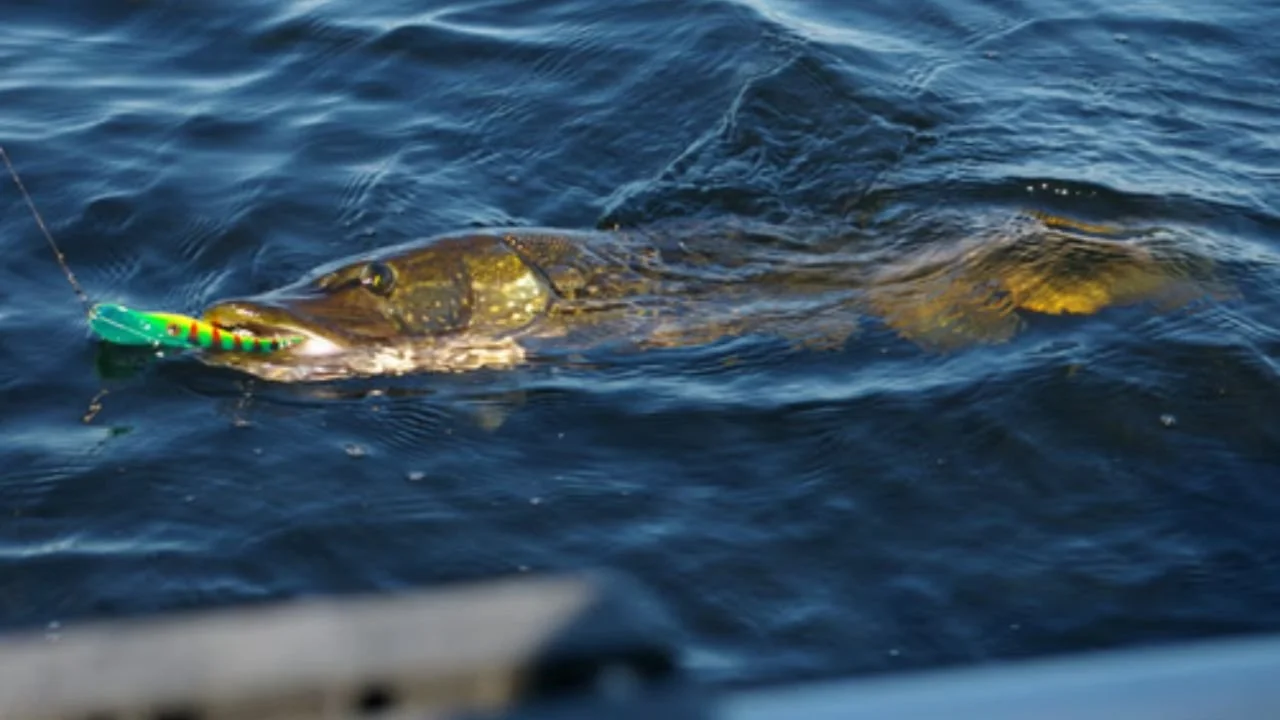
Northern pike fishing in Ely is exciting, beginner-friendly, and rewarding throughout much of the open-water season.
Ely sits among lakes, rivers, and connected waterways in northern Minnesota. The area offers excellent northern pike habitat, plus walleye, smallmouth bass, panfish, and other classic Northwoods species.
Some visitors plan a fishing vacation months ahead. Others arrive for a family getaway and discover a new favorite hobby after one hard strike near the weeds.
That is part of what makes northern pike fishing so fun. Pike are aggressive. They hit hard. They often live in places that are easy to understand: weeds, bays, points, drop-offs, and moving water.
You do not need to be an expert to get started. You just need the right timing, a few simple lures, and a little respect for the fish.
Northern Pike Fishing in Ely, MN: Best Time to Fish
Northern pike can be caught throughout the open-water season, but some windows are better than others.
Spring: Mid-May Through June
Spring is one of the best times to catch northern pike.
Minnesota’s 2026 fishing opener has already passed. Looking ahead, the 2027 Minnesota fishing opener is Saturday, May 15. That is the key opener date for northern pike and walleye on most inland Minnesota waters.
After spawning, hungry pike move into shallow bays, stream mouths, and warming shoreline areas to feed. This is also a good time to target larger fish with bigger lures or larger bait.
In spring, look for:
Shallow bays
Creek and stream mouths
Soft-bottom areas
Emerging weeds
Windblown shorelines
Dark-bottom bays that warm faster
Pike are often shallow and active this time of year, which makes them easier for beginners to find.
Summer: July Through August
Summer pike fishing can still be strong, but fish patterns change.
As water warms, larger pike often move away from the shallowest water during the heat of the day. They may hold near deeper weed edges, drop-offs, cooler water, and places where baitfish gather.
Smaller pike may stay shallow and aggressive all summer, especially around weeds.
In summer, focus on:
Healthy green weed beds
Edges of cabbage or other aquatic plants
Drop-offs near shallow feeding areas
Rock-to-weed transitions
Cooler morning and evening windows
Early morning and evening are usually better than bright midday, especially for larger fish.
Fall: Late August Through September
Fall brings another excellent northern pike fishing window.
Cooler water makes pike feed more aggressively before winter. They often stay close to healthy green weed beds, nearby drop-offs, and areas with active baitfish.
This is a good season to use larger lures because pike are feeding heavily.
In fall, try:
Large spoons
Spinnerbaits
Jerkbaits
Big minnows
Trolling along weed edges and breaks
Fall can produce some of the most memorable pike strikes of the year.
Best Time of Day
Early mornings and evenings usually offer the best action.
The water is calmer. Temperatures are cooler. Light levels are lower. Pike often use those windows to hunt.
Cloudy days, wind, and light rain can also keep fish active longer. If conditions are safe, those gray Northwoods days can be better than bright, still afternoons.
Where to Find Northern Pike
Northern pike are ambush predators. They like places where they can hide, wait, and attack.
Good spots include:
Shallow bays in spring
Stream mouths
Weed lines
Rocky drop-offs
Areas with healthy underwater plants
Edges where weeds meet deeper water
Current areas and narrows
Fishing these locations slowly and carefully often produces better results than racing across the lake.
A good pike spot usually has three things:
Cover
Food
Quick access to a deeper or cooler area
Find that combination, and you are in the right neighborhood.
Simple Gear Tips
The right gear makes every trip easier. You do not need a complicated setup, but pike do require stronger tackle than panfish or small bass.
Bring:
A wire or heavy fluorocarbon leader
Large spoons
Spinnerbaits
Crankbaits
Strong fishing line
Long-nose pliers for safe hook removal
A rubber-coated landing net
The leader is especially important. Northern pike have sharp teeth and can cut regular fishing line quickly.
Northern Pike Fishing Gear for Beginners
Rod and Reel
For most beginner-friendly northern pike fishing, choose:
A 7- to 7.5-foot medium-heavy spinning rod
A 3000- to 4000-size spinning reel
20- to 30-pound braided line
Braided line gives strong hooksets and helps cut through weeds. It also gives a better feel when a pike hits or when your lure catches vegetation.
A baitcasting setup can also work well for experienced anglers, but a spinning rod is usually easier for beginners and families.
Use a Leader
Always fish with a leader.
Northern pike have sharp teeth. They can slice regular monofilament or fluorocarbon main line.
A 12- to 18-inch wire leader is simple and reliable. Heavy fluorocarbon can also work, especially for clearer water or cautious fish, but it should be strong enough for pike.
If you are fishing with kids or beginners, use wire. It prevents lost fish and lost lures.
Easy Lures for Beginners
Good lure choices include:
1/2- to 1-ounce spoons
1/2- to 1-ounce spinnerbaits
Floating crankbaits
Jerkbaits in perch, gold, silver, or fire-tiger patterns
Large inline spinners
Soft swimbaits with strong hooks
Bright colors often work well, especially on cloudy days or in stained water. Natural colors can be better in clear water and bright conditions.
If you are not sure where to start, tie on a spoon or spinnerbait and work the weed edges. That simple approach catches a lot of pike.
Safety and Fish Handling
Pack a few essentials to protect yourself and the fish.
Long-nose pliers
A jaw spreader, used carefully when needed
A large rubber-coated landing net
Hook cutters for difficult situations
Gloves if you are uncomfortable handling toothy fish
A rubber-coated net helps protect the fish’s slime coating. It also reduces hook tangles and makes catch-and-release easier.
Pike are powerful fish. Take your time, keep hands away from the mouth, and support the fish horizontally when lifting it for a quick photo.
Beginner Checklist
Before heading to the lake, make sure you have:
Medium-heavy spinning rod
3000- to 4000-size reel
20- to 30-pound braided line
Wire or heavy fluorocarbon leader
Spoons or spinnerbaits
Long-nose pliers
Rubber landing net
Minnesota fishing license, unless an exemption applies
A simple setup is enough. The main thing is to fish the right water.
Northern Pike Fishing Tips for Anglers
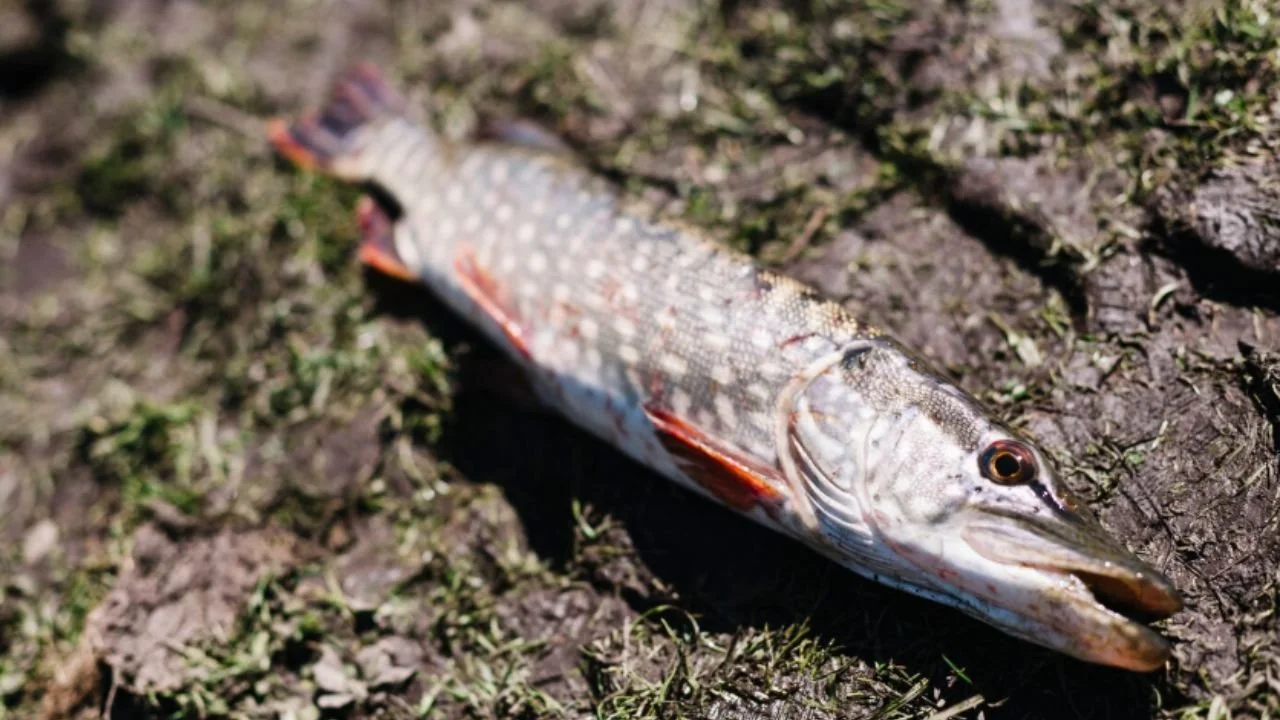
Fish in the Right Places
Always fish where northern pike like to hide and hunt.
Look for:
Green underwater weeds
Shallow weed edges
Soft-bottom bays
Creek and stream mouths
Areas with moving water
Drop-offs close to shallow cover
Pike are not usually random. They use cover to ambush prey. If you can find weeds, baitfish, and a nearby edge, you have a good place to start.
Try Popular Ely-Area Lakes
Several Ely-area lakes are known for northern pike fishing.
Basswood Lake
Basswood Lake is one of the most famous fisheries near Ely. It is known for excellent fishing and large northern pike potential.
Basswood is also tied for Minnesota’s catch-and-release northern pike record, with a 46¼-inch pike caught there in 2021.
Because Basswood is BWCA-connected and includes different access rules depending on route and permit type, anglers should plan carefully before going.
Farm Lake and the White Iron Chain
Farm Lake, White Iron Lake, Garden Lake, and South Farm Lake form a connected chain near Timber Trail Lodge.
This chain gives guests a mix of easy-access fishing, lake structure, weed beds, narrows, and BWCA-connected routes.
Farm Lake is especially convenient for Timber Trail guests because the lodge sits right on the water. You can start close to the cabin, fish morning or evening windows, and explore farther when conditions are right.
Shagawa Lake
Shagawa Lake is close to Ely and easy to reach. It is a popular local fishing lake with opportunities for northern pike, walleye, smallmouth bass, and panfish.
It can be a good option for anglers who want accessible fishing near town.
Burntside Lake
Burntside Lake is known for clear water, rocky structure, and lake trout, but northern pike can also be part of the fishing experience.
Because Burntside is clear and deeper than many nearby waters, tactics may differ from weedier lakes. Natural colors, longer casts, and careful presentations can help.
Spring and Early Summer Tips
During spring and early summer, northern pike often stay in shallow water after spawning.
They feed actively and often strike large baits.
Good spring areas include:
Shallow bays
Warm backwaters
Creek mouths
Emerging weed beds
Windblown shorelines
Some anglers use dead bait under a slip bobber. Cisco, herring, or large minnows suspended near shallow bays or creek mouths can be effective where legal and appropriate.
When using lures, keep the retrieve interesting. Pause, twitch, speed up, or suddenly stop the lure. Pike often strike when the bait changes direction or looks injured.
Mid-Summer and Fall Tips
As water warms, larger pike often move deeper or hold near cooler, healthier vegetation.
Focus on green weed beds in roughly 8 to 15 feet of water, especially if those weeds sit close to deeper water.
Large spinnerbaits work well around weeds. If the lure catches on a plant, give the rod a quick pop. That sudden movement can trigger a curious pike.
Deep-diving crankbaits also work when trolling along drop-offs and deeper edges.
In fall, do not be afraid to use larger lures. Pike are feeding heavily before winter, and bigger presentations can draw bigger fish.
Never Skip the Leader
This point is worth repeating.
Always use a 12- to 18-inch wire leader or heavy fluorocarbon leader when fishing for northern pike.
Without a leader, a good pike can cut the line almost instantly.
A leader protects your lure, protects the fish from breaking off with hooks, and gives you a better chance of landing what you hook.
Handle Fish Carefully
Good fish handling keeps fish healthy for the future.
Bring:
Long-nose pliers
A rubber-coated landing net
Hook cutters
A camera ready before lifting the fish
Remove hooks carefully. Support the fish horizontally whenever possible. Keep the fish in the water as much as you can, especially if you plan to release it.
A quick photo is fine. A long photo session is not.
Large northern pike are valuable fish. Treat them that way.
Simple Advice for Anglers
You do not need complicated tricks to catch northern pike.
Fish the right water. Use a leader. Slow down when needed. Change lure speed when fish follow but do not strike. Stay patient.
The next hit can happen when you least expect it.
That is part of what makes northern pike fishing so addictive.
Do You Need a Minnesota Fishing License?
Most people need a valid Minnesota fishing license before fishing.
In general:
Minnesota residents ages 16 through 89 need a license.
Nonresidents age 16 and older usually need a license.
Minnesota residents age 90 and older do not need a license.
Children under 16 often do not need their own license, but details can vary by residency and situation.
Always confirm current Minnesota DNR license rules before your trip.
2026 Minnesota License Update
Minnesota DNR launched a new electronic licensing system on June 9, 2026.
During the transition, fishing license sales were paused from June 2 through June 8, 2026. During that specific window, anglers were allowed to fish without a license.
All other fishing seasons, bag limits, size limits, and special regulations still applied.
That means the license pause did not suspend fishing rules. It also did not replace BWCA permits, motor permits, trout stamps, or other requirements that may apply to a specific trip.
Starting June 9, anglers can buy and carry licenses through the new system, including online, through the mobile app, or in person from a license agent.
Special Northern Pike Rules to Know
Northern pike regulations in Minnesota are divided by zone. Ely-area waters are generally in the Northeast Zone unless a specific lake has special regulations.
In the Northeast Zone:
The possession limit is 2 northern pike.
All northern pike from 30 to 40 inches must be released.
Only one northern pike over 40 inches may be kept in possession.
Special or experimental regulations may apply on some waters. Always check the current Minnesota DNR regulations for the exact lake you plan to fish.
Before You Head to the Lake
Take a minute to check:
Your fishing license
The current northern pike zone rule
Any lake-specific special regulations
Whether your route enters the BWCA
Whether motor restrictions or permits apply
Weather and wind conditions
Safe fish-handling tools
A little planning helps avoid surprises and lets you spend more time enjoying the fishing.
Fishing Experiences at Timber Trail Lodge
Timber Trail Lodge gives guests easy access to some of Ely’s best fishing waters.
The lodge sits on Farm Lake, which connects to the White Iron Chain. That creates plenty of places to explore throughout the day.
Guests can bring their own equipment, rent gear, or spend time learning new skills. Timber Trail Lodge offers lake access, boat and motor rentals, canoe and kayak rentals, bait in the lodge gift shop, fish cleaning facilities, and connections to trusted local guide services.
For guests who want local knowledge on the water, guided motor fishing trips and guided canoe fishing experiences can help shorten the learning curve.
Families often appreciate the relaxed pace and easy lake access. You do not need to load the car and drive to a launch just to get started. The water is already there.
Experienced anglers enjoy chasing northern pike, walleye, smallmouth bass, and other Northwoods fish without traveling far from the dock.
Whether you are new to fishing or a lifelong angler, the lakes invite you back for one more cast.
That is the magic of northern pike fishing near Ely.
You cast along a weed edge. The lure flashes. The water opens. A fish hits hard enough to make everyone in the boat look up.
And suddenly, the whole trip has a story.
FAQs
What is the best lake for northern pike in Minnesota?
Minnesota has many excellent northern pike lakes. Basswood Lake near Ely is one of the most famous and is tied for Minnesota’s catch-and-release northern pike record. Lake of the Woods, Mille Lacs Lake, Leech Lake, and many Ely-area lakes are also popular choices. The best lake depends on the kind of fishing experience you want.
How old is a 30-pound northern pike?
A 30-pound northern pike is usually an old fish. In Minnesota, a pike that size may be 15 to 20 years old or older, depending on the lake, food supply, genetics, and growing conditions. Cold northern waters can help pike live longer and reach impressive sizes. Large fish deserve careful handling and responsible release.
What is the hardest fish to catch in Minnesota?
Many anglers consider muskie the hardest fish to catch in Minnesota. Muskies are often called the “fish of 10,000 casts” because they can follow a lure without striking. Lake trout can also be challenging because they stay in deep, cold water for much of the year. Both species reward patience and persistence.
What is the best bait for northern pike fishing?
Northern pike respond well to spoons, spinnerbaits, jerkbaits, crankbaits, swimbaits, and large minnows. In spring, dead bait or large minnows near shallow bays can be effective. In summer and fall, large lures worked along weed edges and drop-offs often produce strong strikes.
Do I need a leader for northern pike?
Yes. A leader is strongly recommended for northern pike fishing. Pike have sharp teeth and can cut regular fishing line. A 12- to 18-inch wire leader is the simplest choice for beginners. Heavy fluorocarbon can also work in some situations.
What is the northern pike limit near Ely, Minnesota?
Ely-area waters generally fall under Minnesota’s Northeast Zone northern pike rules unless a lake has special regulations. In the Northeast Zone, anglers can keep 2 northern pike. All pike from 30 to 40 inches must be released, and only one over 40 inches may be kept in possession. Always check the current DNR regulations for the specific lake you plan to fish.
