
Canoe vs. Kayak: The Best Choice for Ely & BWCA Day Trips
A canoe is usually the better pick for families, fishing, and shared trips. A kayak is often better for solo paddlers who want simple handling, a lower profile, and a quiet way to explore shorelines.
Still, the real canoe vs kayak choice depends on the kind of day you want on the water.
Both let paddlers enjoy the lakes surrounding Ely and the nearby Boundary Waters Canoe Area Wilderness. Both offer quiet ways to spot loons, eagles, turtles, and shoreline wildlife. Both can turn an ordinary morning into one of the best memories of a lake trip.
But they feel very different once the paddle touches the water.
A canoe feels open, roomy, and social. A kayak feels lower, more personal, and easier for one person to manage. For guests staying at Timber Trail Lodge on Farm Lake, the good news is simple: you do not need to choose forever. You just need to choose what fits that day.
Canoe vs. Kayak for Ely & BWCA Day Trips
Below are the most important factors that make the decision easier.
Quick Canoe vs. Kayak Comparison
Feature: Best For
Canoe: Families, fishing, shared trips, extra gear
Kayak: Solo paddlers, shoreline exploring, light travel
Feature: Typical Capacity
Canoe: Usually 2 to 3 people
Kayak: Usually 1 person; some fit 2
Feature: Gear Storage
Canoe: Plenty of open space
Kayak: More limited storage
Feature: Portaging Ease
Canoe: Better for traditional BWCA portages when properly outfitted with a yoke
Kayak: Easier for short carries if light, but can be awkward on longer portages
Feature: Speed
Canoe: Comfortable and steady
Kayak: Often faster for one paddler
Feature: Beginner Friendly
Canoe: Yes, especially with two paddlers
Kayak: Yes, especially on calm water
Feature: Fishing Comfort
Canoe: More room for rods, tackle, and coolers
Kayak: Good for solo anglers with light gear
Feature: Best Feel
Canoe: Social and roomy
Kayak: Quiet and personal
Choose a Canoe If:
A canoe is often the better fit when the day includes:
Two or three paddlers
Fishing with extra gear
Young children
Coolers, cameras, or picnic supplies
A dog
A relaxed paddling pace
A BWCA-style day trip with shared gear
The open design makes it easy to reach bags, shift position, help kids, or carry a picnic lunch.
Canoes also fit the classic Ely and Boundary Waters experience. Most BWCA routes were built around canoe travel. A well-outfitted canoe with a portage yoke can be easier to carry over a traditional portage than many recreational kayaks.
For families, the biggest benefit is space. You can bring the gear you need without feeling packed in.
Choose a Kayak If:
A kayak shines when simplicity matters most.
It is a great choice for:
Solo adventures
Quick shoreline exploring
Light packing
Calm morning paddles
Easy turning
A lower, more connected feel on the water
A kayak’s lower profile can feel stable and comfortable for many first-time paddlers, especially on calm water. It also catches less wind than a canoe in many conditions, though strong wind can still challenge any paddler.
Kayaks are especially nice for guests who want to slip out for a quiet hour before breakfast or explore the shoreline without turning the outing into a full group trip.
What About Portaging?
Many Ely and Farm Lake day trips involve little or no portaging. That depends entirely on the route.
Still, some BWCA routes require carrying your boat and gear over trails between lakes.
This is where the canoe vs kayak decision gets more specific.
For short carries near a launch, a light kayak can feel simple. For longer BWCA-style portages, a canoe is often easier if it has a proper portage yoke and two people can share the gear load.
Kayaks can be awkward on traditional portages because they are not always designed to ride comfortably on the shoulders. They also may require separate trips for gear.
If portaging sounds intimidating, choose a shorter route with little or no carrying. That is often the best way to build confidence.
Is This Okay for Beginners?
Absolutely.
The lakes around Ely welcome new paddlers on fair-weather days. Calm mornings on Farm Lake can be a great place to start.
The key is to keep the first trip simple:
Choose a calm day.
Start early before wind builds.
Stay close to shore.
Wear a life jacket.
Avoid big crossings.
Turn around before you are tired.
Check the forecast before launching.
A shorter trip builds confidence naturally. It also leaves time to watch a loon glide past, pause along a quiet shoreline, or simply enjoy being on the water without feeling rushed.
Canoe vs. Kayak for Fishing
Fishing changes the canoe vs kayak decision.
Both can work. The better choice depends on whether you are fishing alone, how much gear you want, and how comfortable you are handling fish from a small craft.
What Makes a Canoe Better?
A canoe gives anglers plenty of room to spread out.
Extra rods, tackle boxes, bait, nets, coolers, and rain gear fit more easily. Two people can fish comfortably without feeling crowded. The open layout also makes it easier to shift position, land a fish, or help a child with a tangled line.
A canoe is a great choice for:
Fishing with a partner
Family fishing
Carrying extra gear
Long days on the water
Live bait setups
Relaxed casting from different positions
For many Timber Trail guests, a canoe is the better fishing choice because it handles the practical side of fishing so well.
Why Choose a Kayak?
A kayak moves quietly across calm water. It reaches shoreline spots with ease. Many solo anglers enjoy the close connection to the lake.
The lower seating position also adds a feeling of control.
A kayak works well for:
Solo fishing trips
Quiet shoreline exploration
Light tackle setups
Short fishing sessions
Calm lake mornings
The tradeoff is space. If you like bringing multiple rods, a full tackle box, a cooler, and extra layers, a canoe may feel easier.
If you prefer one rod, a small tackle kit, and a quiet paddle along the weeds, a kayak may be perfect.
Which Fish Can You Expect?
The Ely area offers excellent freshwater fishing throughout the season.
Many visitors head out hoping to catch:
Walleye
Northern pike
Smallmouth bass
Panfish
Each species brings a different challenge.
Walleye reward patience and timing. Northern pike strike hard and keep things exciting. Smallmouth bass fight well and love rocky structure. Panfish are great for kids and relaxed afternoons.
That variety is part of why paddling and fishing fit so naturally together here.
Do You Need a Minnesota Fishing License?
Most anglers do.
In general, Minnesota residents ages 16 through 89 need a valid fishing license unless an exemption applies. Minnesota residents age 90 and older do not need a license.
Nonresident anglers should check current Minnesota DNR rules before fishing. Nonresident youth rules can depend on age, license type, and whether they are fishing with a licensed parent or guardian.
Short-term license options are available for visitors planning a weekend or short trip.
Always check current Minnesota DNR regulations before fishing.
Minnesota Fishing License Basics
Before fishing, confirm:
Who in your group needs a license
Whether a short-term license makes sense
Whether a trout stamp or other validation is needed
Whether special lake regulations apply
Whether your route enters the BWCA
Whether a BWCA permit is also required
A fishing license allows you to fish under Minnesota law. It does not replace a BWCA entry permit.
If you paddle into the Boundary Waters, the BWCA permit rules still apply.
What About Bait and Tackle?
Minnesota allows many common fishing setups, but anglers still need to follow current DNR rules.
In general:
Live and dead bait may be used in many Minnesota waters.
Worms, nightcrawlers, insects, and larvae are commonly allowed.
Minnows and leeches have additional transport and use restrictions.
Unused bait should never be released into lakes, rivers, or on land.
Dispose of unwanted bait properly.
Check special regulations for designated trout waters and specific lakes.
Many anglers choose barbless hooks for easier catch and release. Others choose lead-free tackle to reduce environmental impact. Those choices are not always required, but they are increasingly popular with conservation-minded visitors.
When paddling near the BWCA, it is smart to fish clean, pack out trash, and leave the shoreline better than you found it.
Seasonal Tips for Ely Paddling
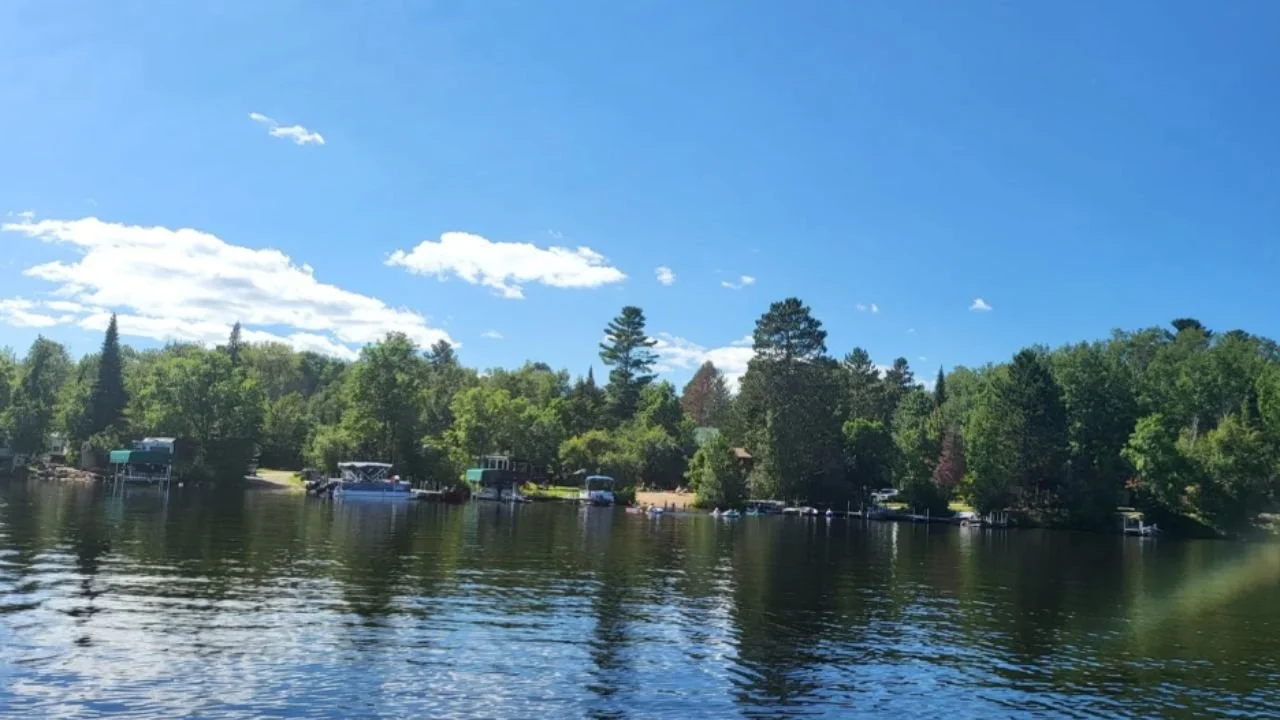
Ely paddling changes by season. The best canoe vs kayak choice can change with it.
Spring
Cold Water Safety
Ice-out timing varies each year. Even after the ice melts, the water stays very cold.
That matters.
Cold water can be dangerous even when the air feels mild. Wear a life jacket, dress for the water temperature, and consider a wetsuit or drysuit when conditions call for it.
Avoid large lakes on windy days. Waves can build quickly, especially in spring.
BWCA Permits
A BWCA permit is always required to enter the Boundary Waters Canoe Area Wilderness.
From May 1 through September 30, quota permits are required for overnight paddle, motor, or hiking trips, as well as motorized day trips.
Non-motorized day-use permits are self-issued year-round and do not require an advance reservation.
If you are unsure what permit applies to your plan, ask before you launch.
What to Pack
Spring weather changes quickly.
Pack:
Warm layers
Rain jacket
Dry clothes in a waterproof bag
Map or navigation backup
Snacks and water
First-aid kit
A way to start a fire in an emergency
A fully charged phone or communication plan
A backpacking stove can also be useful on longer trips because wet wood can be hard to burn.
Summer
Bugs and Sun
Mosquitoes and blackflies are part of summer in northern Minnesota.
Bring insect repellent, a bug net if needed, sunscreen, and sun-protective clothing. A little preparation makes long paddling days much more comfortable.
Start Early
Morning water is often calmer than afternoon water. Early starts also help avoid stronger winds and busy launch areas.
For beginners, this matters.
A calm morning paddle can feel peaceful and easy. The same route in afternoon wind can feel completely different.
Rent the Right Gear
Many Ely outfitters and resorts rent canoes, kayaks, paddles, life jackets, and other gear.
Renting is a good option for beginners or visitors traveling light. It also gives you a chance to try different craft before deciding what you like.
If you are staying at Timber Trail Lodge, you can rent canoes, kayaks, and stand-up paddleboards right on site.
Fall
Peaceful Paddling
Fall brings colorful forests and quieter lakes. The cooler weather also means fewer bugs.
It is a favorite season for many experienced paddlers.
A canoe can be a great fall choice if you want to bring extra layers, a thermos, camera gear, or fishing equipment. A kayak works well for short solo outings on calm days.
Dress for the Weather
Water temperatures drop quickly in autumn.
Wear warm layers. Avoid cotton. Keep dry clothes packed in a waterproof bag. Even on a sunny fall day, cold water can become serious fast.
BWCA Permits
From October 1 through April 30, BWCA visitors use self-issued permits for all uses.
Non-motorized day-use permits are also self-issued year-round.
Fall can be a wonderful time to paddle, but route planning still matters. Days are shorter, weather shifts quickly, and fewer people may be on the water.
Winter
Open Water Paddling Is Not the Plan
Most lakes freeze during winter. Traditional canoeing and kayaking are not part of a normal winter lake trip in Ely.
Cold water can cause hypothermia quickly, and changing ice conditions can be dangerous.
Instead of trying to paddle, choose winter activities that fit the season.
Try Winter Activities Instead
Winter offers plenty of outdoor fun without a paddle.
Visitors can enjoy:
Cross-country skiing
Snowshoeing
Dog sledding
Ice fishing
Winter hiking
Sauna time
Dark sky viewing
Snowmobiling nearby
The frozen Northwoods offer a completely different adventure. They give visitors a peaceful way to experience the wilderness without needing a paddle in hand.
Canoeing and Kayaking at Timber Trail Lodge
Timber Trail Lodge sits right on Farm Lake.
Farm Lake is part of a chain of connected lakes near Ely, with access toward BWCA-connected routes. Guests can launch a canoe or kayak right from the resort area. No long drive is needed to reach beautiful water.
That is one of the biggest advantages of staying on the lake.
You can wake up, check the wind, choose the right craft, and get on the water without rebuilding your whole day around transportation.
The resort rents canoes, kayaks, and stand-up paddleboards. Each craft fits a different kind of paddling day.
Craft: Canoe
Best For: Families, fishing trips, shared gear, BWCA-style outings
Typical Paddlers: 2 to 3 people
Craft: Kayak
Best For: Solo trips, calm mornings, shoreline exploring
Typical Paddlers: 1 person
Craft: Stand-Up Paddleboard
Best For: Calm water, balance, light exercise, short outings
Typical Paddlers: 1 person
Guided Paddling and Skill-Building Experiences
Timber Trail Lodge also supports guided and skill-building experiences for guests.
These options help paddlers build real, useful water skills before heading farther into the lake chain or toward BWCA-connected routes.
Examples may include:
Paddling and navigation skills
Canoe handling basics
Canoe fishing skills
Fishing techniques for local lakes
Guided fishing trips by motor boat or canoe
Sunset cruises or scenic water outings
Availability can vary by season, weather, guide schedules, and guest needs, so it is best to ask what is currently offered when planning your stay.
For beginners, even a short skills session can make the rest of the trip feel easier.
A Direct Line Toward the BWCA Experience
Timber Trail Lodge is a direct gateway toward the BWCA experience.
The resort has a BWCA permit station and offers BWCA shuttle service for guests. These features make planning easier, especially for visitors who are new to permits, routes, and entry-point logistics.
A canoe, kayak, and paddleboard each feel different. Try one, or try all three, during your stay.
Quiet mornings on Farm Lake often become favorite memories.
A loon call. Still water. A paddle dipping once, then again. The shoreline sliding by slowly.
That is the kind of moment people come north to find.
Ready to paddle Farm Lake and the BWCA? Book your stay and boat rental at Timber Trail Lodge.
FAQs
Can I bring a kayak into the Boundary Waters?
Yes. You can bring your own kayak into the BWCA. It must follow the same general rules as other watercraft, and you need the correct permit for your trip. Kayaks can work well for some routes, but they may be awkward on longer portages compared with canoes designed for shoulder carrying.
Do I need a permit for a canoe or kayak day trip near Ely?
It depends on where you paddle. Lakes outside the BWCA do not require a BWCA permit. If your day trip enters the BWCA, a permit is required. Non-motorized day-use permits are self-issued year-round. Overnight trips and motorized day trips during the May 1–September 30 quota season require quota permits.
Is a canoe or kayak better in windy conditions on big lakes?
A kayak often handles wind better because it sits lower on the water. A canoe has higher sides and can catch more wind. Even so, strong winds can challenge any paddler. Start early, stay close to shore when possible, and postpone your trip if conditions become unsafe.
Which is easier for a first-time paddler?
Both can be beginner friendly on calm water. A canoe offers extra space and works well for pairs, families, fishing, and extra gear. A kayak is easy to manage for solo paddlers and works well for short shoreline trips. The best choice depends on your plans, comfort level, and the day’s weather.
Is a canoe or kayak better for fishing?
A canoe is usually better for fishing with a partner, kids, extra rods, tackle, bait, and coolers. A kayak can be a great choice for solo anglers who pack light and want to explore quietly. For many Ely lake trips, a canoe is the more flexible fishing option.
Can I rent canoes and kayaks at Timber Trail Lodge?
Yes. Timber Trail Lodge offers canoe, kayak, and stand-up paddleboard rentals on site. Guests can launch from the resort area on Farm Lake, making it easy to plan a short paddle, fishing outing, or longer lake adventure without driving to a separate launch.
