
Where Can You See Moose in Minnesota? Top Spots Near Ely
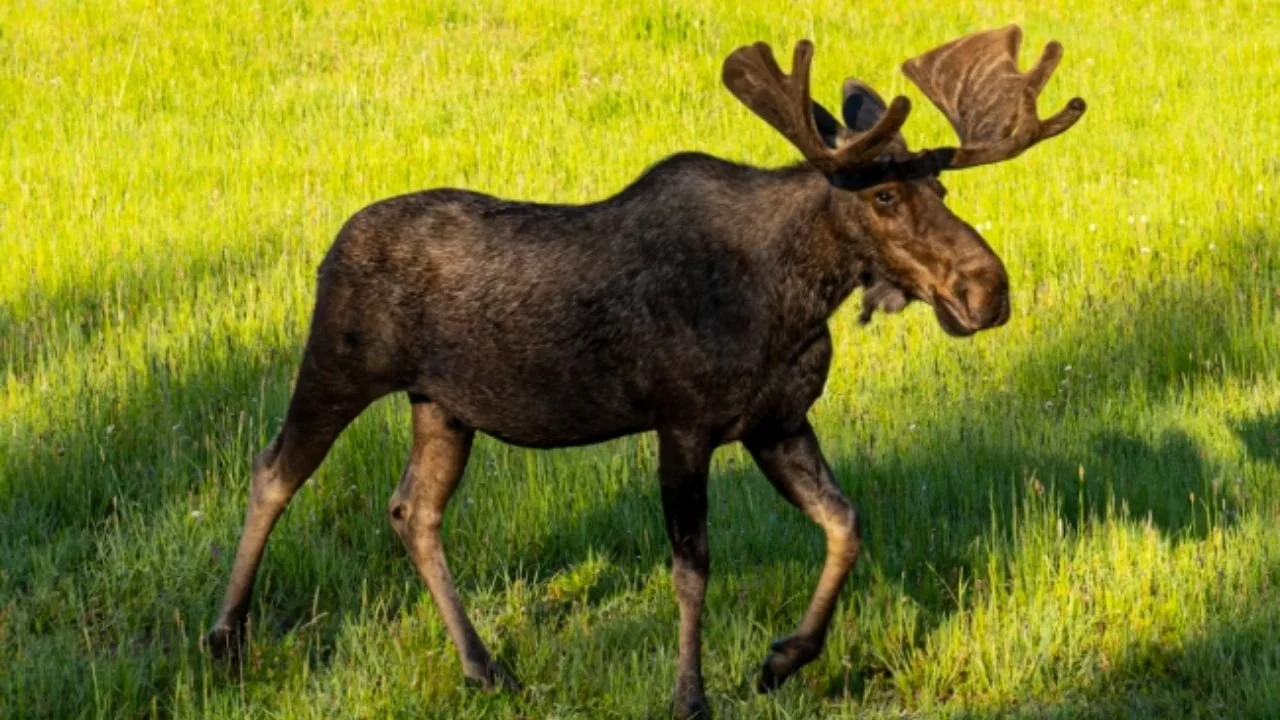
Moose are the biggest animal you can spot in Minnesota's woods. An adult moose can weigh 950 to 1,000 pounds. Some bulls top 1,200 pounds. Seeing one in the wild is a real thrill. Ely, Minnesota sits right in prime moose country. This blog shows you exactly where to look, when to go, and how to stay safe.
Why Ely Is a Great Base for Moose Watching
Ely sits at the edge of the Superior National Forest. It also borders the Boundary Waters Canoe Area Wilderness. Both places offer classic moose habitat. Moose love young forests, bogs, and shallow lakes. They eat aquatic plants and leafy shrubs. Ely has all three close together. That makes it one of the best jumping-off points in the state for a moose-watching trip.
A quick note on numbers first. Minnesota's moose population dropped sharply after 2009. It fell from about 8,000 animals to a low point in the following years. The population has since leveled off. It now hovers around 4,470 animals statewide. Most of them live in the northeastern part of the state, right around Ely. Sightings are never guaranteed. But your odds are better here than almost anywhere else in Minnesota.
Top Driving and Viewing Routes
Minnesota State Highway 1
Highway 1 runs southwest out of Ely toward Isabella. It continues on toward Silver Bay and Lake Superior's North Shore. This stretch cuts through low, boggy terrain. Moose feed in these wet areas, especially in early morning and evening. The U.S. Forest Service specifically names this stretch as a spot to watch for moose. Drive slowly here. Watch the roadsides and ditches, not just the distance. Moose often stand right at the tree line before stepping onto the road.
Go at dawn if you can. Traffic is light and moose are most active then. Keep your headlights on and your speed down, especially in low light. A moose crossing the road is hard to see until you're close.
The Echo Trail (County Road 116)
The Echo Trail starts just northwest of Ely. It runs about 70 miles all the way to the town of Orr. The eastern section near Ely is paved. Farther west it turns to gravel. The route winds past Burntside Lake, Bear Island Lake, and dozens of smaller lakes and bogs. This mix of forest and water is exactly what moose look for.
You don't need to drive the whole trail. The first 10 to 15 miles out of Ely already pass through good habitat near Burntside Lake. This section also works well for spotting deer and, occasionally, timber wolves. Go slow and scan the low, marshy pullouts along the road.
Best Parks and Trails
Bear Head Lake State Park
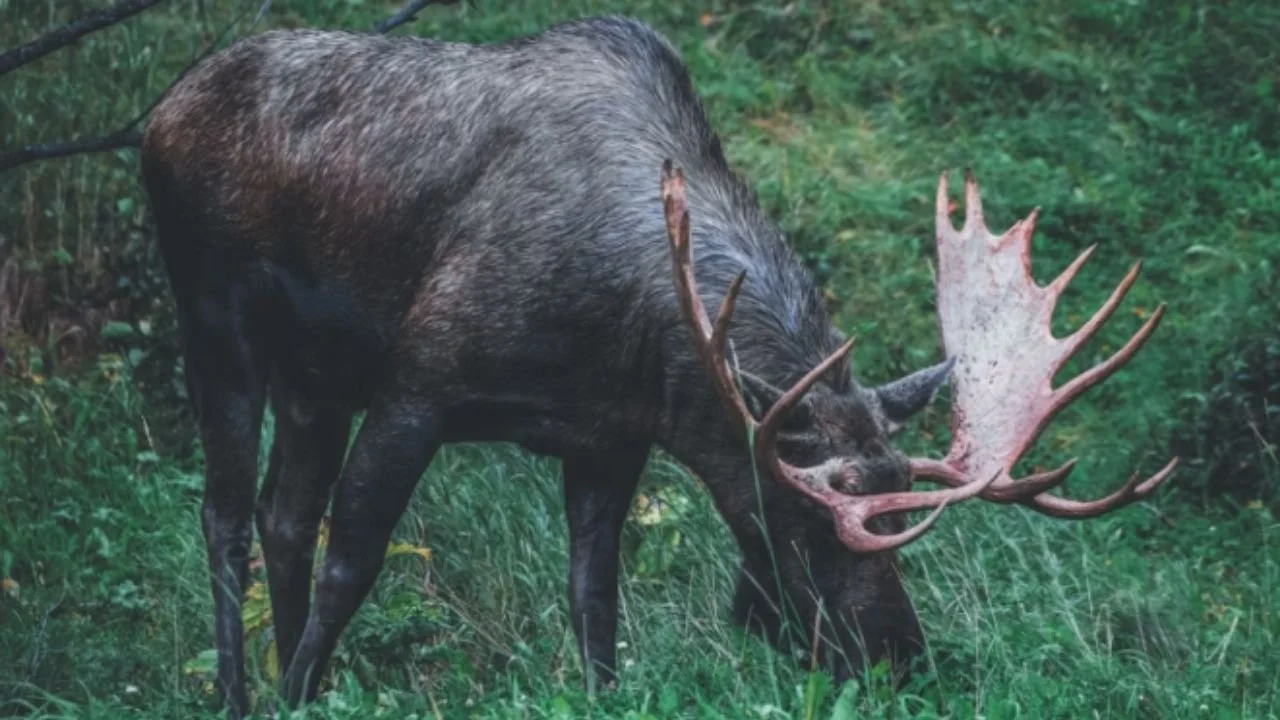
Bear Head Lake State Park sits about 19 miles southwest of Ely. The park surrounds Bear Head Lake and three smaller lakes. It covers roughly 5,500 acres of forest and shoreline. Moose come here to feed on water plants in the marshes and shallow bays, mostly during summer.
The Norberg Lake Trail is the park's best-known day hike. It loops past several lakes and offers real solitude, since this park sees fewer visitors than the state's North Shore parks. Go early in the morning for the best chance of a sighting. Paddling the quiet shoreline of Bear Head Lake itself is another good option. Bring a canoe or kayak if you have one.
Boundary Waters Canoe Area Wilderness (BWCAW)
The Boundary Waters is true wilderness. It starts just a short drive from Ely and stretches for over a million acres. This is the core moose range. Paddling or hiking into the interior puts you directly in their habitat.
Sightings here take patience. There are no roads and no shortcuts. But guests who spend a full day paddling quiet bays, especially at dawn, often spot a moose feeding along the shore. Entry into the BWCAW requires a permit, so plan that step before you go. A local outfitter or lodge can help you sort out which entry point and permit type fit your trip.
Tips for Viewing Moose
Timing Matters Most
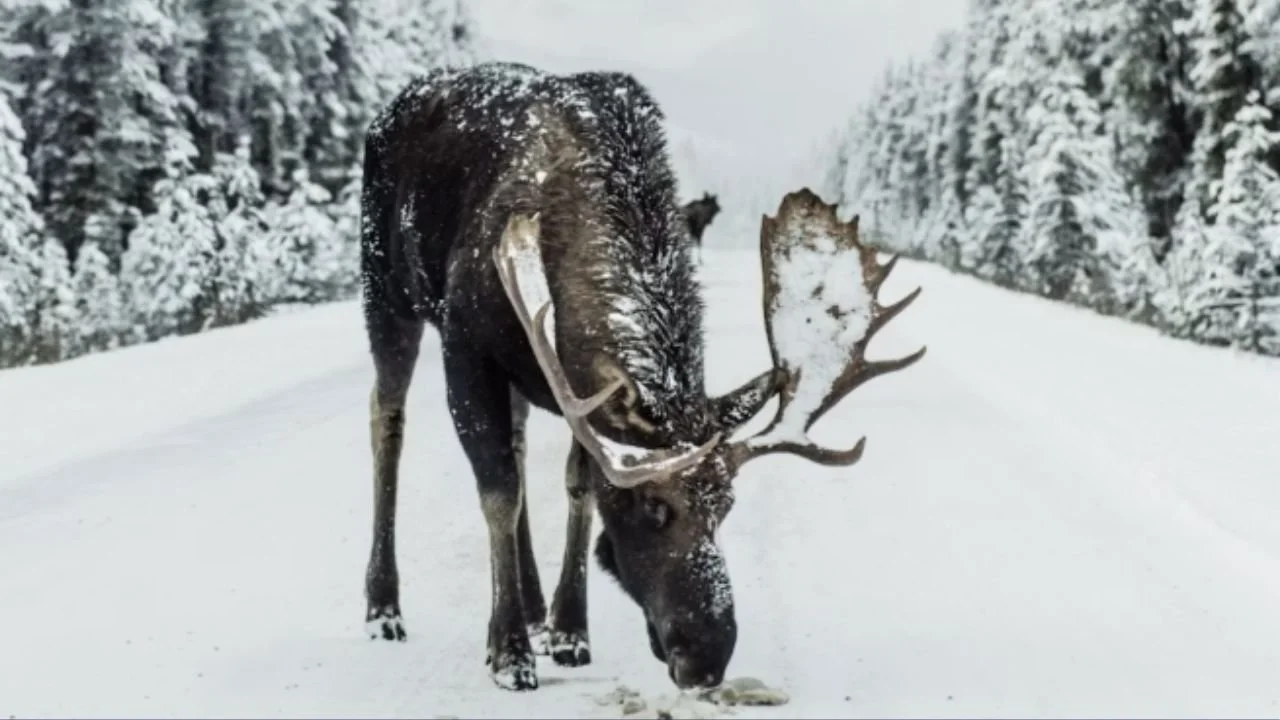
Moose are most active at dawn and dusk. They rest in thick cover during the hottest part of the day, especially in summer. Plan your drive or hike early in the morning. You'll also beat the crowds and the bugs.
Move Slowly and Stay Quiet
Moose have poor eyesight but sharp hearing and smell. Loud voices, slamming doors, and fast movement will send them back into the trees fast. Walk or drive slowly. Scan tree lines, ditches, and the edges of ponds. Bring binoculars or a zoom lens so you can watch from a distance.
Keep a Safe Distance
Moose can be dangerous if they feel threatened. Give them at least 75 feet of space, and more if you can. Be extra cautious in spring, when cows are protective of new calves. Do the same in fall, during the rut, when bulls are more aggressive. If a moose changes its behavior because of you, you're too close. Back away slowly.
Visit a Wildlife Center for a Sure Thing
Wild sightings depend on luck and timing. If you want a guaranteed look at a moose up close, visit the North American Bear Center in Ely. Its Northwoods Ecology Hall features a full mounted bull moose display, along with exhibits on the other animals that share the region's forests. It's a great backup plan on a rainy day, or a good stop before you head out to search for the real thing.
Stay Close to It All at Timber Trail Lodge
After a full day of watching the roadsides and shorelines for moose, you'll want a comfortable, close-by place to land. Timber Trail Lodge sits on Farm Lake, just a few miles from downtown Ely. The lodge has welcomed guests since 1939 and offers motel rooms, cabins, and campsites for every kind of trip.
Farm Lake connects to a chain of four lakes with direct access into the Boundary Waters. That makes Timber Trail a smart home base for the moose-watching routes in this guide. Highway 1 and the Echo Trail are both a short drive away through Ely. The lodge can also help point you toward the Bear Head Lake State Park trails and the right BWCAW entry point and permit for a day of interior paddling.
Come back from an early moose-spotting drive to a warm cabin on the water. Grab your gear, and head into town for the North American Bear Center. Alternatively, simply relax on the dock and watch for wildlife along the shoreline. Whether you're chasing a moose sighting or just soaking in the Northwoods, Timber Trail Lodge puts you close to everything this guide covers.
FAQs
Where is the best place to see moose in Minnesota?
The best places to see moose in Minnesota are northern forests. Areas near Ely, the Boundary Waters, and Superior National Forest offer good chances. These regions have large wilderness areas. Moose often roam near lakes, wetlands, and quiet forest roads.
What time of day are you most likely to see a moose?
Moose are most active during early morning and evening hours. They often move between feeding and resting areas during these times. Look near wetlands, lakes, and forest edges. Drive slowly and watch carefully for movement along quiet roads.
How far away can a moose smell you?
A moose has a strong sense of smell. It can smell you from over a mile to 2 miles, if the wind blows right toward them.The exact distance varies with wind and conditions. Avoid approaching closely. Stay downwind when possible and give moose plenty of space.
What not to do around a moose?
Do not approach, feed, or try to touch a moose. Never block its path or move between a mother and calf. Keep a safe distance and watch quietly. If a moose shows stress signs, slowly back away and leave the area.
