
Where to See Bears in Minnesota: Best Places Near Ely, Minnesota
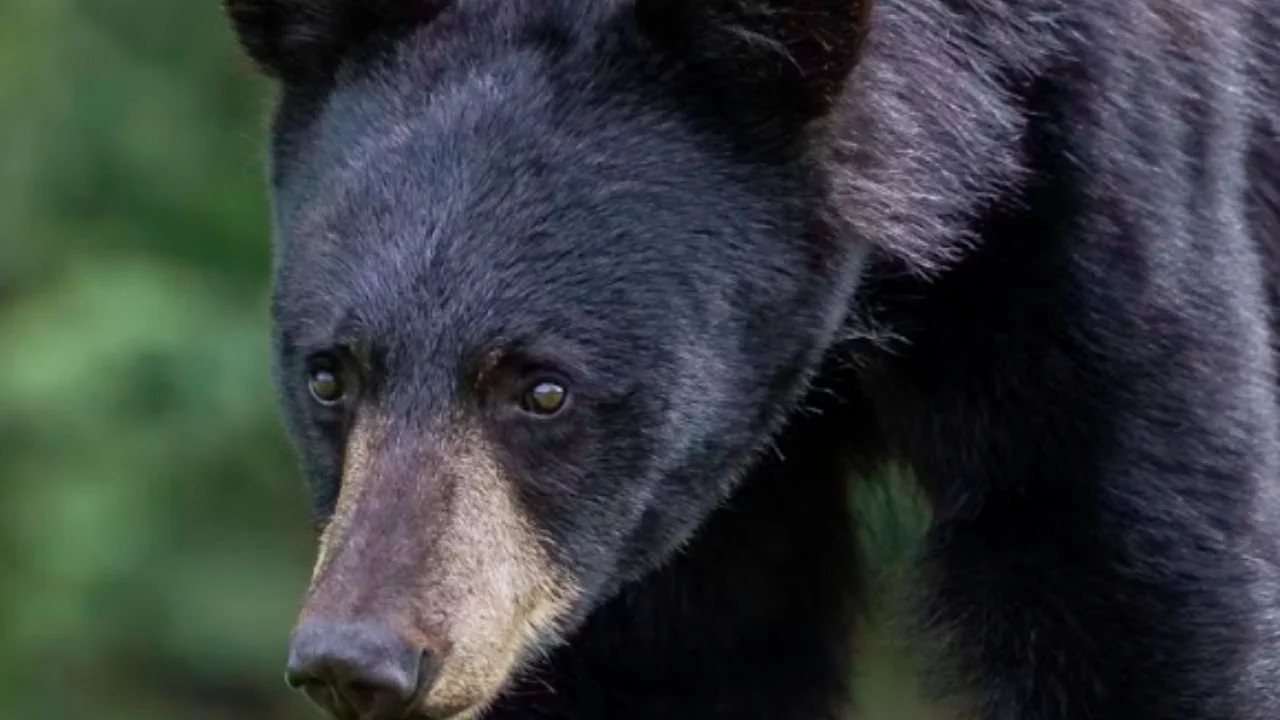
Minnesota is home to thousands of wild black bears. Most of them live in the northern forests around Ely. That makes this small town one of the best places in the state to learn about bears and, sometimes, see them. This blog covers the top spots near Ely, from a dedicated bear center to wild backcountry trails.
Why Ely Is Bear Country
Ely sits inside the Superior National Forest. It also borders the Boundary Waters Canoe Area Wilderness. Both places offer deep forest, berry patches, and few roads. That's exactly what black bears need to thrive. Bears here spend summer and fall foraging on berries, nuts, and plants. They den up for winter starting around October or November.
Most wild bears avoid people. Seeing one in the backcountry takes patience and luck. If you want a closer, more reliable look, Ely also has a world-class facility built just for that purpose.
Dedicated Bear Facilities
North American Bear Center (Ely, MN)
The North American Bear Center is the top spot near Ely to see a black bear up close. It sits just one mile west of downtown Ely on Highway 169. This nonprofit museum was founded by bear researcher Lynn Rogers to replace bear myths with facts.
Three ambassador bears live here: Lucky, Holly, and Tasha. Each came from a private situation that left them unable to return to the wild. They roam a 2.5-acre natural, forested enclosure with a pond and waterfall. You can watch them from indoor viewing windows or an outdoor balcony. Both spots offer a close, safe view of the bears foraging, swimming, and climbing.
Inside, the center's Northwoods Ecology Hall covers the wider ecosystem bears share with wolves, moose, and other wildlife. Staff also run behind-the-scenes tours several times a day. Plan for at least two hours to see everything.
Vince Shute Wildlife Sanctuary (Orr, MN)
For a different kind of bear encounter, head to the Vince Shute Wildlife Sanctuary near Orr. It's roughly 60 miles west of Ely, about an hour's drive. The sanctuary began when logger Vince Shute stopped shooting bears that raided his camp and instead learned to live alongside them.
Today the American Bear Association manages the site. Wild, free-roaming black bears come and go through the meadows and cedar swamps on their own. There are no fences holding them in. Visitors watch from a raised, protected deck as bears forage nearby, often with cubs in tow. The sanctuary opens seasonally, typically from late May through Labor Day weekend in early September, with viewing hours in the evening when bears are most active. Check the current schedule before you go, since hours can shift slightly from year to year.
State Parks and Wilderness Areas
Bear Head Lake State Park
Bear Head Lake State Park sits about 20 miles southwest of Ely. The park covers roughly 4,300 acres of pine forest and rugged, glacier-carved terrain. It surrounds Bear Head Lake and three smaller fishing lakes.
Black bears live throughout the park, along with moose, wolves, and nesting eagles. Sightings on the trails happen, but they're never guaranteed. Bears tend to avoid noise and human activity, so an early morning hike gives you the best odds. The Norberg Lake Trail is a popular route that winds past several lakes with plenty of good cover for wildlife. Store food properly at your campsite here, since bears will investigate unattended coolers and packs.
Boundary Waters Canoe Area Wilderness
Wild black bears live throughout the Boundary Waters Canoe Area Wilderness, right at Ely's doorstep. Campers and paddlers here should expect that bears share the landscape, even if they rarely appear. Proper food storage is essential. Use a bear canister or hang your food well away from your campsite. This protects both you and the bears. This is because bears that learn to associate campsites with easy food become a problem for future visitors.
If you're planning a Boundary Waters trip, a comfortable home base makes the whole experience easier. Timber Trail Lodge sits on Farm Lake, just a few miles from Ely, with direct access to the BWCAW through a connected chain of four lakes. The lodge offers cabins, motel rooms, and campsites, so you can paddle into bear country for the day and return to a warm, dry bed at night. Staff there can also help you sort out entry points and permits before you head into the wilderness.
Tips for Safe Bear Viewing
Keep Your Distance
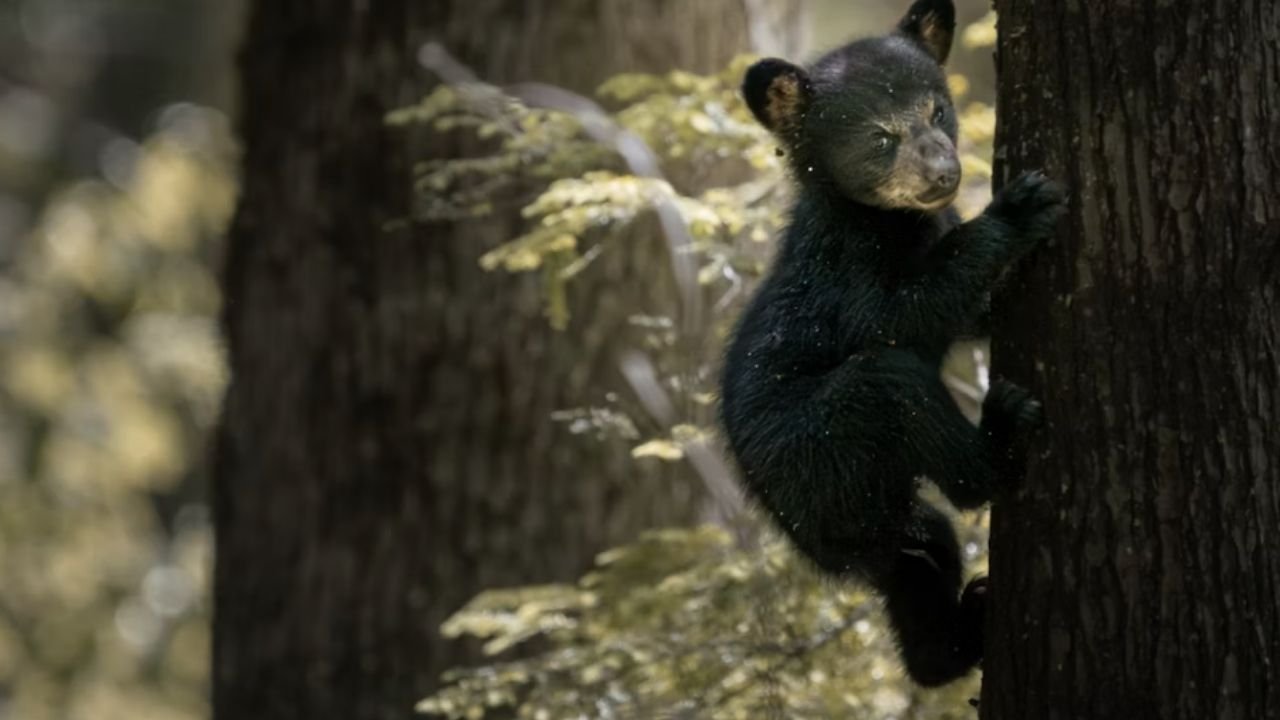
Black bears are usually shy, but they can act defensively if they feel cornered or if cubs are nearby. Never approach a wild bear. Watch from a distance with binoculars or a zoom lens, and back away slowly if a bear notices you.
Store Food the Right Way
Never leave food, coolers, or trash out at a campsite. Use bear-resistant containers or hang food between trees, well away from your sleeping area. A fed bear often becomes a bear that keeps coming back, which puts both people and the bear at risk.
Make Noise on the Trail
Bears will usually move away if they hear you coming. Talk, clap, or wear a bell while hiking through thick brush. Surprising a bear at close range is far more likely to trigger a defensive reaction than an encounter where the bear had time to leave first.
Visit Early or Late in the Day
Bears are most active in the early morning and evening. This is especially so during summer and fall when they're focused on building fat reserves. Time your hikes or park visits around these hours for the best chance of a real, wild sighting.
Plan Your Bear-Watching Trip Near Ely
Ely gives you more ways to see black bears than almost anywhere else in Minnesota. Visit the North American Bear Center for a close, guaranteed look. Head to Vince Shute Wildlife Sanctuary for wild bears roaming free. You can also hike the trails at Bear Head Lake State Park and the Boundary Waters for a true backcountry chance. Pair any of these stops with a stay at Timber Trail Lodge, and you'll have a comfortable base for exploring bear country near Ely.
FAQs
What part of Minnesota has black bears?
Most black bears live in northern Minnesota. They are common in the Superior National Forest and the Boundary Waters. Dense forests, wetlands, and remote areas provide ideal habitat. Sightings are more likely around Ely than in southern Minnesota.
Are there any grizzly bears in Minnesota?
No, there are no wild grizzly bears in Minnesota. The state is home only to black bears. Grizzly bears live much farther west in parts of Montana, Wyoming, Idaho, and Alaska. Any bear you see in Minnesota is almost certainly a black bear.
Do you need bear spray in Minnesota?
Bear spray is not required in Minnesota, but it is recommended in remote bear country. Most visitors never need to use it. Make noise while hiking, store food properly, and keep your distance if you see a black bear.
