
Minnesota Vacation Guide: How to Explore the Land of 10,000+ Lakes

Minnesota offers outdoor adventure, rich history, great food, and vibrant cities. Every season feels different here. Every region has its own charm.
This guide helps you plan a memorable Minnesota trip.Whether planning a weekend or a longer stay, there is always something worth exploring.
Best Time to Visit Minnesota
Minnesota welcomes visitors throughout the year. The right time depends on what kind of trip feels most exciting.
Spring Brings Fresh Energy to the Outdoors
Spring usually arrives during April. Snow begins to melt across much of the state and parks turn green again. Wildflowers bloom along trails and riverbanks. Wildlife also becomes easier to spot.
Minnehaha Falls in Minneapolis is especially impressive during spring. Melting snow sends powerful water over the limestone cliffs. The nearby trails pass oak, elm, and cottonwood trees. Colorful wildflowers brighten the forest floor.
Cycling also becomes popular as temperatures rise. Minneapolis has more than 200 miles of bike trails. The Grand Rounds Scenic Byway stretches for 51 scenic miles. Riders pass lakes, parks, rivers, and historic neighborhoods.
Another great option is the Paul Bunyan State Trail. This paved trail covers about 115 miles. It connects Brainerd and Bemidji through forests, lakes, and small communities. It is one of America's longest paved bike trails.
Summer Is Made for Lake Adventures
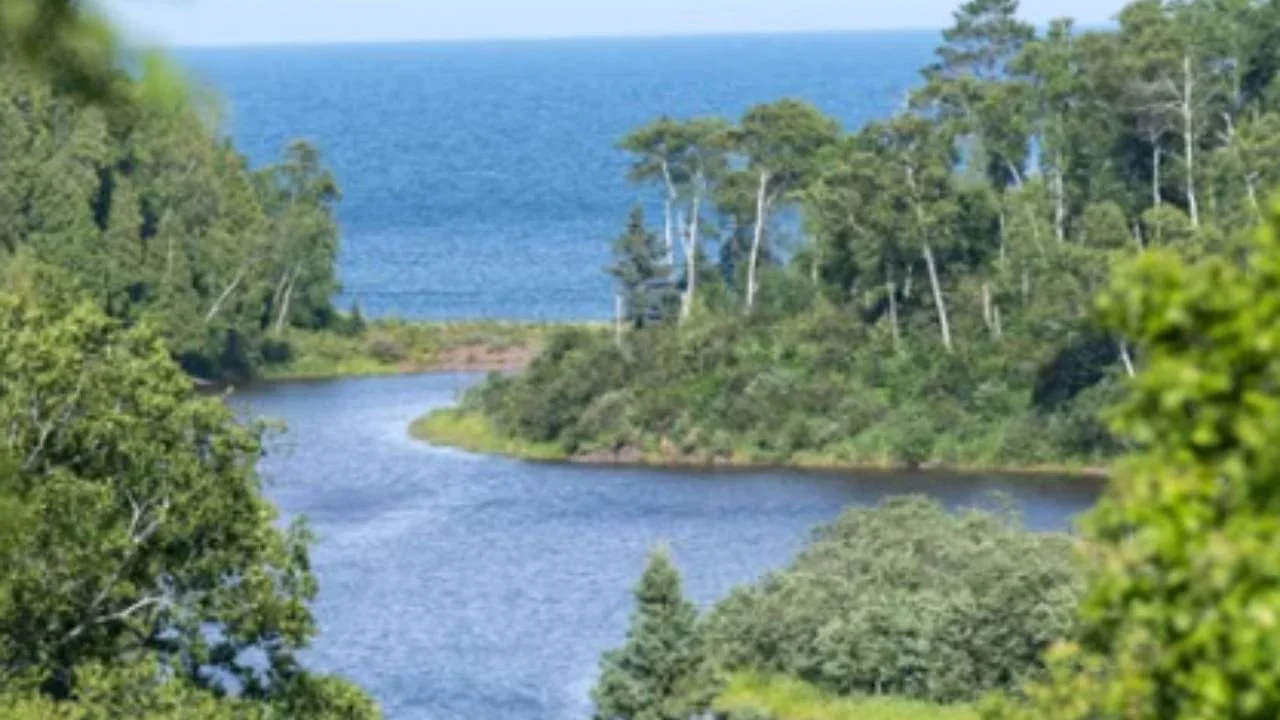
Summer is Minnesota's busiest travel season. Warm weather brings people outdoors from morning until sunset. Boating, kayaking and canoeing are favorite summer activities of tourists and locals.
Voyageurs National Park offers one of the state's most unique summer experiences. Water covers more than one-third of the park. Many areas are only reachable by boat. Visitors generally use houseboats to explore remote islands and quiet bays.
The Boundary Waters Canoe Area Wilderness also reaches peak popularity during summer. Visitors paddle through connected lakes surrounded by pine forests. Wildlife sightings often include loons, bald eagles, beavers, and moose.
Late August brings another famous event. The Minnesota State Fair fills the fairgrounds in St. Paul. It is America's largest state fair by daily attendance. Visitors enjoy rides, farm animals, concerts, competitions, and creative food.
Food is part of the experience. Fried treats on a stick have become a fair tradition. You can also find local favorites, and regional specialties. Long daylight hours give travelers more time outside. Many northern communities enjoy sunlight well into the evening. That extra daylight makes hiking, paddling, and sightseeing even more enjoyable.
Fall Paints Minnesota in Brilliant Colors
The cooler temperatures in fall make outdoor activities comfortable. The North Shore becomes especially popular during autumn. Scenic highways follow Lake Superior's shoreline. Every curve reveals colorful forests and dramatic lake views.
The Superior Hiking Trail offers excellent fall hiking. Parts of the trail overlook Lake Superior from rocky ridges. Other sections pass waterfalls, streams, and dense forests filled with changing leaves.
Duluth becomes another favorite fall destination. Canal Park stays active without summer crowds. Visitors enjoy waterfront walks, local restaurants, and views of ships entering the harbor.
Sports fans also have plenty to enjoy. Minneapolis hosts professional football, baseball, basketball, and hockey. Stadiums are easy to reach from downtown. Watching a home game adds another memorable experience to a fall vacation.
Winter Shows Minnesota at Its Most Adventurous
Winter turns Minnesota into a snowy playground. Cold temperatures rarely stop outdoor fun. Frozen lakes become gathering places. Ice fishing villages appear across the state. Many anglers spend entire weekends on the ice.
Cross-country skiing is another favorite activity. Minnesota has hundreds of groomed trails. Many parks also offer snowshoeing for beginners. Snowmobiling is another heavily enjoyed activity. It attracts visitors throughout northern Minnesota. There are designated trail systems that connect forests and small towns. Riders can explore long stretches of beautiful winter landscapes.
Ice skating also remains popular. Local parks maintain outdoor rinks whenever conditions allow. Families enjoy skating together during winter afternoons and evenings.
Winter also creates excellent wildlife viewing opportunities. Animal tracks become easier to spot after fresh snowfall. Bald eagles often remain active near open water during colder months.
Getting Around Minnesota
Minnesota is easy to explore with good planning.
Flying Into Minnesota
Most visitors arrive through Minneapolis-Saint Paul International Airport. It serves many nonstop domestic routes. It also connects directly with several international destinations. The airport sits close to both Minneapolis and St. Paul. Travelers can reach downtown quickly after landing.
Driving Gives the Most Freedom
Driving remains the easiest way to explore Minnesota. Many attractions sit outside major cities. A rental car allows flexible travel between lakes, forests, and small towns.
Road trips also reveal some of the state's best scenery. The North Shore Scenic Byway stretches about 154 miles. It follows Lake Superior from Duluth toward the Canadian border. Scenic overlooks, waterfalls, and forests appear throughout the drive.
Another memorable route follows the Great River Road. It traces the Mississippi River through charming river towns and beautiful landscapes.
Travelers should remember one local saying. Minnesota has two seasons: winter and road construction. Checking road conditions before leaving always helps.
Public Transportation in the Twin Cities
Visitors staying in Minneapolis and St. Paul often do not need a car. The Metro Transit light rail connects the airport with downtown Minneapolis. It also serves downtown St. Paul and several major attractions. Metro Transit buses cover many neighborhoods throughout both cities. The official mobile app makes route planning easy.
Traveling by Train
Amtrak's Empire Builder crosses Minnesota every day. The route connects Chicago with Seattle and Portland. Minnesota stops include:
St. Paul
Red Wing
Winona
St. Cloud
Staples
Detroit Lakes
Key Places to Explore in Minnesota
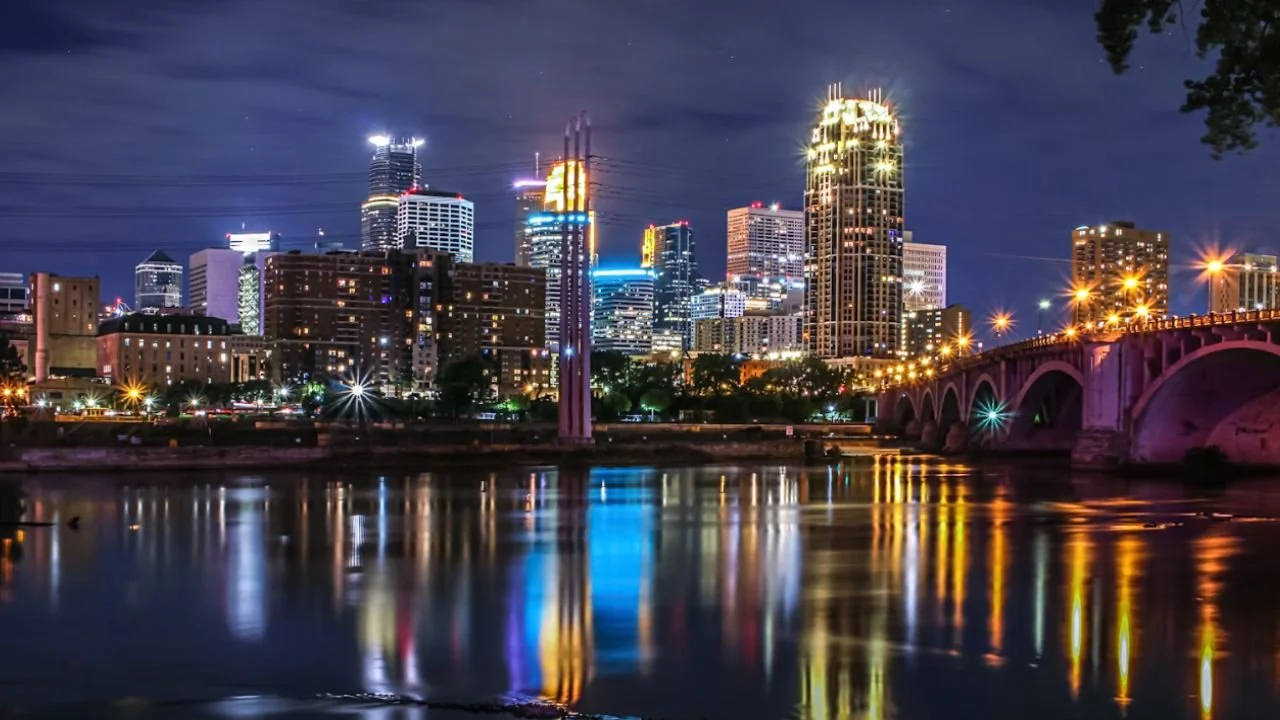
Minnesota rewards travelers who enjoy variety. One day can include city museums and live music. The next can include quiet lakes and forest trails. Each region offers something different.
Boundary Waters Canoe Area Wilderness
No Minnesota vacation feels complete without visiting the Boundary Waters. This protected wilderness covers more than one million acres. It includes over 1,100 lakes and nearly 1,500 miles of canoe routes. It is America's most visited wilderness area.
Discover One of America's Greatest Wilderness Areas
The Boundary Waters feels untouched. Motorized travel is heavily restricted across much of the wilderness. Visitors travel mainly by canoe. The quiet becomes part of the experience.
Ancient forests surround crystal-clear lakes. Rocky shorelines reflect changing skies and wildlife thrives across the region. It is home to moose, loons, wolves, black bears, and bald eagles.
A Perfect Destination for First-Time Visitors
Many travelers dream about visiting the Boundary Waters. Some hesitate because wilderness trips seem difficult. Permits, route planning, and canoe travel can feel overwhelming. Families and first-time visitors often wonder where to begin.
Fortunately, experiencing the Boundary Waters does not always require overnight wilderness camping. Many visitors enjoy day trips before returning to comfortable accommodations nearby.
Experience the Boundary Waters Without Giving Up Comfort
This approach makes northern Minnesota much more accessible. Timber Trail Lodge gives guests easy access to the Boundary Waters while providing comfortable lakeside cabins. Visitors can spend the day paddling, hiking, fishing, or sightseeing. They return to modern cabin comforts each evening instead of camping.
Local knowledge of the staff also makes planning easier. Their guidance helps guests understand nearby entry points and the overall area. This removes much of the uncertainty many first-time visitors feel.
Twin Cities
Minneapolis and St. Paul are the perfect starting point. Both cities sit beside the Mississippi River.
Experience Minnesota's Famous Music Scene
Music lovers should begin with First Avenue in Minneapolis. This famous venue helped launch Prince's legendary career. Many scenes from Purple Rain were filmed here. Prince fans should also visit Paisley Park in Chanhassen. Guided tours explore his recording studio, home, and performance spaces. The experience offers a closer look at his creative life.
Bob Dylan fans have plenty to discover too. Minneapolis shaped his early musical journey. Several city landmarks celebrate his lasting influence.
Explore World-Class Museums
The Twin Cities offer outstanding museums. The Walker Art Center features modern art, photography, film, and design. Across the street sits the Minneapolis Sculpture Garden. The famous Spoonbridge and Cherry remains its best-known attraction.
The Weisman Art Museum is another highlight. Architect Frank Gehry designed its striking exterior. Inside, visitors find American art, ceramics, and changing exhibitions.
Enjoy Beautiful Urban Parks
Minnehaha Falls draws visitors throughout the year. Spring brings the strongest waterfall views. Walking trails wind through peaceful woodlands beside the creek.
Cyclists enjoy the Grand Rounds Scenic Byway. This 51-mile route connects parks, lakes, rivers, and neighborhoods. It offers one of America's best urban cycling experiences.
Shop at Mall of America
Mall of America is America's largest shopping mall. More than 500 stores fill its enormous space. Shopping is only part of the experience. The mall also includes an indoor amusement park, restaurants, attractions, and entertainment. Visitors can easily spend an entire day here.
Duluth and the North Shore
Duluth combines Lake Superior's beauty with a lively waterfront atmosphere. It is the gateway to Minnesota's famous North Shore.
Watch Ships Pass Under the Aerial Lift Bridge
The Aerial Lift Bridge defines Duluth's skyline. Huge cargo ships pass beneath the bridge throughout the shipping season. Canal Park offers excellent viewing areas. The Lakewalk stretches along the shoreline. Restaurants, local shops, and scenic viewpoints line the route.
Drive the North Shore Scenic Byway
The North Shore Scenic Byway follows Lake Superior for roughly 154 miles. Every section offers different views. Rocky cliffs rise above the shoreline. Forests stretch toward the horizon. Small towns provide perfect stops for food and sightseeing. Popular communities include Two Harbors, Silver Bay, Tofte, Grand Marais, and Grand Portage.
Hike Along Lake Superior
Outdoor lovers have endless choices. The Superior Hiking Trail follows the North Shore through forests, rivers, and ridges. Several sections overlook Lake Superior from impressive heights.
Jay Cooke State Park sits south of Duluth. Its swinging bridge crosses the St. Louis River. Hiking trails pass rocky rapids and dense forests.
Voyageurs National Park
Voyageurs National Park is covered in more than one-third by water. Many areas remain accessible only by boat.
Explore by Water
Boating defines every visit. Visitors rent motorboats, kayaks, canoes, or houseboats. Houseboats allow travelers to stay directly on the water while exploring different lakes. The park connects four major lakes through rivers and channels. Hidden bays and quiet islands appear around every corner.
Discover Scenic Trails
The park also offers hiking. Trails lead through forests filled with pine, birch, and aspen. Some paths reach rocky overlooks. Others pass waterfalls or historic sites. Wildlife sightings often include bald eagles, loons, beavers, and river otters.
Experience Dark Skies
Voyageurs is one of America's best dark sky destinations. Clear nights reveal thousands of stars. During strong solar activity, visitors may also see the northern lights.
Itasca State Park
Itasca State Park protects the headwaters of the Mississippi River. This is where North America's second-longest river starts its 2,300-mile journey.
Walk Across the Mississippi Headwaters
Visitors can actually walk across the river's beginning. Large stones cross the shallow water. Many travelers enjoy stepping from one side to the other. It has become one of Minnesota's classic vacation experiences.
Explore Minnesota's Oldest State Park
Established in 1891, Itasca is Minnesota's oldest state park. Old-growth pine forests still stand here. Some trees have grown for centuries. The park also contains more than 100 lakes. Visitors enjoy hiking, biking, paddling, fishing, and wildlife watching throughout the year.
Taste of Minnesota

Food tells another part of Minnesota's story. Many recipes reflect Indigenous traditions and immigrant communities.
Try Minnesota's Signature Dishes
The Jucy Lucy remains Minnesota's most famous burger. Cheese melts inside the beef instead of sitting on top. Matt's Bar and the 5-8 Club both serve popular versions. Visitors also enjoy Minnesota's famous wild rice dishes. Fresh walleye appears on many local menus throughout the state.
Explore Indigenous Cuisine
Minnesota celebrates Native American food traditions. Owamni in Minneapolis has earned national recognition. Its menu highlights Indigenous ingredients used before European settlement. Meals feature regional plants, fish, and game prepared with modern techniques.
Discover Scandinavian and Hmong Flavors
Minnesota's Scandinavian heritage remains strong. FIKA Café serves Nordic favorites inside the American Swedish Institute. Traditional dishes share the menu with seasonal regional ingredients.
The state's large Hmong community has also shaped its food culture. Restaurants such as Vinai showcase flavors from Laos, Thailand, Vietnam, and China. Every meal reflects generations of family traditions.
Save Room for Dessert
A drive along the North Shore offers one final treat. Betty's Pies in Two Harbors has welcomed visitors since 1956. Its strawberry rhubarb pie remains a favorite. Many travelers make the stop part of their Lake Superior road trip.
Planning Tips for a Better Minnesota Vacation
A little planning makes every trip smoother.
Choose the Right Trip Length
A weekend works well for the Twin Cities. Five to seven days allows visitors to combine cities with northern Minnesota. Ten days creates time for deeper exploration. Travelers can enjoy lakes, forests, parks, and small towns without rushing.
Pack for Changing Weather
Minnesota weather changes quickly. Layered clothing works during every season. Comfortable walking shoes are always helpful. Rain jackets are useful during spring and summer. During winter, it’s essential to pack warm coats, gloves, and insulated boots.
Book Popular Experiences Early
Summer and fall attract the largest crowds. Cabins, popular campgrounds, and guided tours often fill months ahead. Early reservations provide more choices. State fair visits, national parks, and North Shore vacations also benefit from advance planning.
Slow Down and Explore
Minnesota rewards slower travel. Spend extra time in small towns. Stop at scenic overlooks. Walk local trails. Visit family-owned restaurants. The best memories often come from places that were never part of the original plan.
A Place That Stays With You
Minnesota is more than the Land of 10,000 Lakes. It is a place where every season offers something new. One trip might lead to waterfalls and forest trails. Another could bring music, local food, or peaceful canoe routes.
There is always another scenic drive to follow. Another small town to discover. Another quiet lake waiting beyond the trees. That is what keeps travelers coming back to Minnesota, year after year.
FAQs
Is Minnesota a good place to vacation?
Yes. Minnesota offers lakes, forests, scenic drives, and vibrant cities. Visitors can enjoy hiking, fishing, boating, museums, and local food. Every season brings different experiences, making the state a great destination for families, couples, and outdoor lovers.
What is the best month to visit Minnesota?
September is one of the best months to visit Minnesota. The weather is cool and comfortable. Fall colors begin to appear across many regions. Popular attractions are less crowded than summer, making sightseeing and outdoor adventures more enjoyable.
What do tourists do in Minnesota?
Tourists explore state parks, paddle quiet lakes, hike scenic trails, and visit vibrant cities. Many enjoy the North Shore, Voyageurs National Park, and the Boundary Waters. Others discover local museums, festivals, shopping, live music, and Minnesota's famous regional foods.
Where is the best place to vacation in Minnesota?
The best place depends on your interests. The Boundary Waters is ideal for outdoor adventures and peaceful scenery. Duluth offers Lake Superior views and attractions. The Twin Cities provide culture and dining. Voyageurs National Park is perfect for boating, wildlife, and stargazing.
