
Best Snowmobile Trails in Minnesota Near Ely and Where to Stay
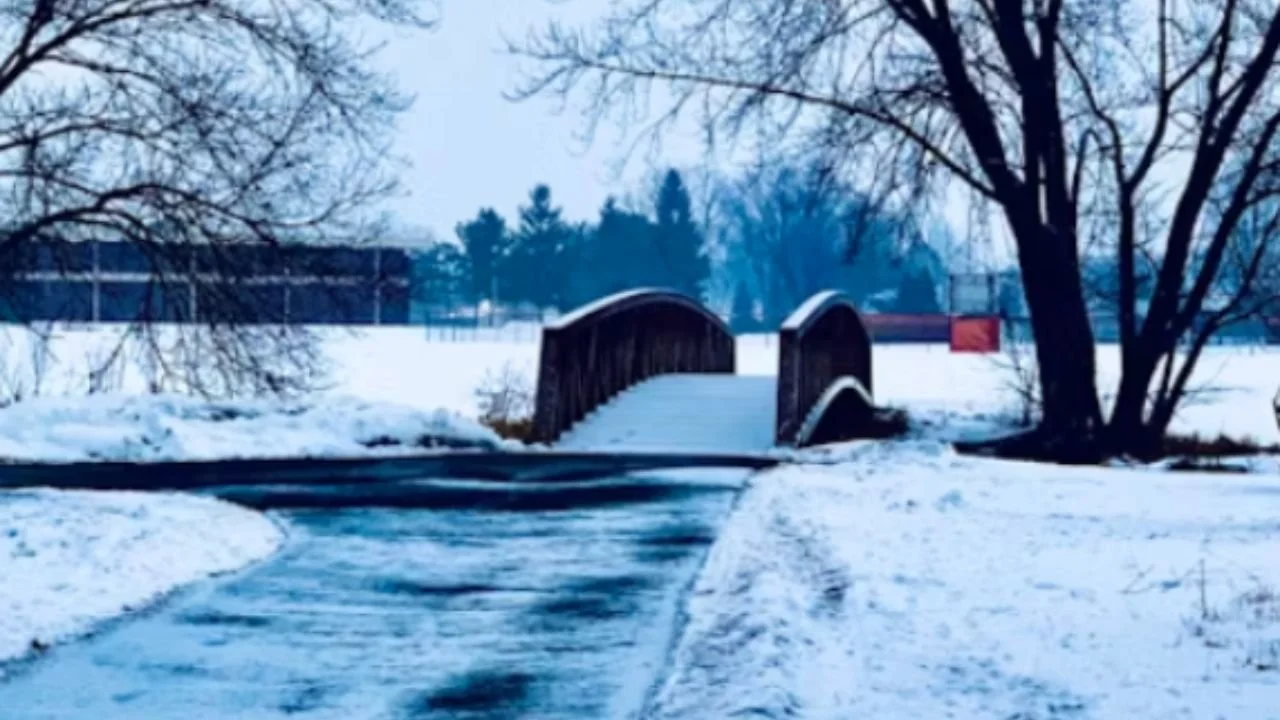
Winter transforms northern Minnesota into a snowmobiler’s paradise. Near Ely, miles of groomed trails create unforgettable rides for many skill levels. These snowmobile trails offer some of Minnesota’s best winter scenery.
The Ely area gives riders access to long state trails, quiet forest routes, local spur trails, lake connections, and regional networks that stretch deep into the Northwoods. One day can feel wide open and fast. The next can feel quiet, wooded, and remote.
That variety is what makes snowmobiling near Ely so memorable.
If you are searching for snowmobile trails Minnesota riders return to year after year, the Ely area belongs high on the list.
Taconite State Trail: One of Minnesota’s Longest Snowmobile Corridors
The Taconite State Trail is one of Minnesota’s best-known snowmobile routes. The trail stretches about 165 miles from Grand Rapids to Ely. It is one of the state’s primary east-west snowmobile corridors.
The trail connects riders to many regional Grant-in-Aid trail systems. It also links with the David Dill/Arrowhead State Trail west of Lake Vermilion. These connections allow riders to explore hundreds of additional miles across northern Minnesota.
The trail mainly serves snowmobilers during winter. Some sections have warm-season uses, but once winter arrives and conditions allow, snowmobiling becomes the main draw along much of the route.
What Makes the Ride Special
The landscape changes constantly along the trail.
South of Ely, forests of birch, pine, and aspen stretch for miles. Rolling hills replace flatter terrain as riders move through the region. Small streams, quiet lakes, wetlands, and forest openings appear throughout the route.
Many sections pass through Superior National Forest and state forest lands. The feeling quickly changes from highway travel to peaceful Northwoods riding.
Several trail waysides provide places to stop and rest. Picnic areas and trail stops overlook rivers, forests, and frozen lakes. These breaks make longer rides more comfortable and give riders time to take in the scenery.
The trail also passes near several well-known parks, including:
Bear Head Lake State Park
Lake Vermilion-Soudan Underground Mine State Park
McCarthy Beach State Park
That combination of distance, scenery, and connections is why the Taconite State Trail remains one of the most important snowmobile trails in Minnesota.
Trail Conditions Throughout Winter
Minnesota Grant-in-Aid snowmobile trails generally operate December 1 through March 31 when snow conditions allow. Some state trail segments may remain open later on public land if conditions allow, but riders should always check current trail reports before heading out.
Actual riding depends on snowfall, grooming, ice, temperature, and trail base.
Late December can bring usable snow cover in strong winters. January and February often provide the deepest snow and smoothest riding. By mid-March, conditions may begin changing quickly.
Warmer temperatures can expose rocks, roots, wet areas, and icy patches in some locations. Trail conditions can change from excellent to poor in just a few days.
Always check local trail reports before your ride.
Who Should Ride the Taconite State Trail?
The Taconite State Trail suits many experience levels.
Beginners can enjoy shorter sections near Ely or other access points. Experienced riders often spend full days exploring connected trail systems.
The trail is especially good for riders who want:
Longer-distance riding
Forest scenery
Connections to other major trails
A classic northern Minnesota snowmobile experience
Access to Ely-area winter lodging and services
If you only ride one major trail near Ely, the Taconite is one of the strongest choices.
Tomahawk Trail: A Scenic Ride Through Superior National Forest
The Tomahawk Trail offers a different riding experience.
Instead of feeling like a broad cross-region corridor, the Tomahawk Trail spends much of its route in a quieter Northwoods setting. Riders experience forests, wetlands, hills, frozen streams, and long stretches that feel far from town.
The Tomahawk Trail is commonly described around 80 to 86 miles from the Ely area, with some sources measuring the core trail closer to just over 70 miles depending on which segments and connections are counted.
It links the Ely area with larger trail networks and can connect riders toward the North Shore State Trail system. These connections create access to hundreds of additional groomed miles when conditions are good.
Ride Deep Into Minnesota’s Northwoods
The Tomahawk Trail winds through forest, wetlands, rocky hills, and frozen lowlands.
Some stretches travel beneath tall pines. Others cross open areas that provide wide views across the winter landscape. Snow-covered shorelines and frozen wetlands create beautiful stopping points during longer rides.
The trail also connects with routes that lead toward shelters, junctions, and regional trail systems.
The Mattila Shelter is one of the best-known stopping areas. Many riders pause there before continuing toward longer routes and North Shore connections.
Excellent Grooming During Peak Winter
Local snowmobile clubs work hard throughout winter. Groups such as the Ely Igloo Snowmobile Club groom area trails whenever conditions allow, including the Tomahawk Trail and other local routes.
That grooming makes a major difference. Smooth trails improve safety, reduce fatigue, and make longer rides more enjoyable.
January and February usually offer the most dependable riding conditions. Snow depths are often greatest during these months, and groomed trails tend to hold up better.
By mid-March, riders may encounter thinner snow cover, icy sections, wet areas, and changing conditions. Always check current trail reports before leaving.
Connections Create Longer Adventures
One reason riders love the Tomahawk Trail is its flexibility.
The Ely-area end connects riders toward the Taconite State Trail and other local routes. Farther south and east, the trail links toward larger regional systems, including North Shore connections.
That means riders can build trips that match the day:
A shorter scenic ride
A longer loop-style adventure
A route toward shelters and trail stops
A bigger regional snowmobile day
The Tomahawk Trail also passes near forest roads and landscapes that feel close to the Boundary Waters region. Motorized travel does not enter the wilderness itself, but the nearby forests, wetlands, and frozen lakes create that same peaceful Northwoods atmosphere.
Ely Regional Trail Connections and Local Spur Routes
Ely’s snowmobile appeal is not limited to one named trail.
The area has a web of local spur routes, lake trails, and regional connections that help riders build longer winter routes from town. The Ely Regional Trailhead is especially useful because it connects riders with the David Dill Taconite Snowmobile Trail and other regional trail resources.
This gives snowmobilers a practical starting point for exploring the area.
Easy Trail Access in Ely
The Ely Regional Trailhead makes trip planning simpler.
Visitors can stop before riding, use trail resources, check maps, and prepare for the day. The trailhead area connects to several major trail systems and regional recreation routes.
The building includes useful amenities such as restrooms, water refill stations, seating, and short-term lockers. That makes it a helpful stop before or after a cold-weather ride.
Several trail resources are accessible from the area, including the Mesabi Trail, Prospector ATV Trail, and the David Dill Taconite Snowmobile Trail.
For snowmobilers, the key takeaway is this: Ely is not just near trails. It is built around trail access.
Understanding the Prospector Loop Context
The Ely area also overlaps with major warm-season trail systems, including the Prospector ATV Trail network.
Some well-known regional landmarks, such as the Kawishiwi River Crossing, Jackpot Loop area, Mattila Shelter, Purvis Lake connection, and Beaver River Bridge, show how connected the broader trail landscape has become.
These names are useful for understanding the region’s recreation geography, but riders should be careful not to treat every warm-season trail reference as a snowmobile route.
For a snowmobile-specific ride, use current Ely-area snowmobile maps and trail reports before building a route. Winter trail access, lake crossings, grooming, and conditions can change quickly.
Scenic Stops and Winter Route Planning
The best snowmobile days near Ely often come from combining major trails with local knowledge.
A rider might start near Ely, connect toward the Taconite, explore a Tomahawk section, stop at a shelter, and return before dark. Another rider may build a longer day using regional connections and local spurs.
Before choosing a route, think about:
Mileage
Fuel stops
Weather
Grooming reports
Lake crossings
Daylight
Rider experience
Emergency backup plans
Northern Minnesota riding can feel peaceful and remote, which is part of the appeal. But that same remoteness means planning matters.
Best Time to Ride Near Ely
Snowmobiling near Ely depends on weather and snowfall. Every winter is slightly different.
The official Grant-in-Aid season generally runs from December 1 through March 31 when snow conditions allow. Good riding requires enough snow, a solid trail base, and sustained cold temperatures.
January and February are widely considered the best riding months. Snow depths are usually greatest during this period. Groomed trails often stay smoother for longer distances. Frozen lakes and wetlands may also improve certain trail connections when conditions are safe and marked.
March can still offer enjoyable riding during colder years. Conditions often change quickly as temperatures rise. Riders should expect thinner snow, exposed rocks, wet areas, and occasional icy sections later in the month.
Before riding, always check:
Current trail reports
Local grooming updates
DNR trail conditions
Weather forecasts
Lake crossing status
Club updates
Temperature swings
Good snowmobile trips start before the machine leaves the trailer.
Snowmobile Safety and Trail Basics
Snowmobiling is one of the best ways to see northern Minnesota in winter, but safety matters.
Riders should know the basics before heading out.
Certification and Registration
Minnesota does not generally require a standard driver’s license to operate a snowmobile, but snowmobile safety certification is required for anyone born after December 31, 1976, when operating on public lands.
Snowmobiles also need proper registration or a state trail sticker/pass where applicable.
Visitors from outside Minnesota should check current DNR rules before riding.
Ride Prepared
Winter riding near Ely can take you into remote areas. Bring enough gear to handle a delay, weather change, or breakdown.
Helpful items include:
Warm layers
Extra gloves
Helmet and eye protection
Trail map or GPS
Phone or communication device
Water and snacks
Basic tool kit
Tow strap
First-aid kit
Headlamp
Emergency fire-starting supplies
Ride with a group when possible, and let someone know your route.
Respect Trails and Conditions
Stay on marked trails. Do not ride where snowmobiles are not allowed. Respect private land, posted closures, wildlife, skiers, mushers, and other winter users.
Conditions can change quickly, especially near wetlands, lakes, bridges, and road crossings.
If a trail is closed, do not ride it.
Where to Stay: Timber Trail Lodge
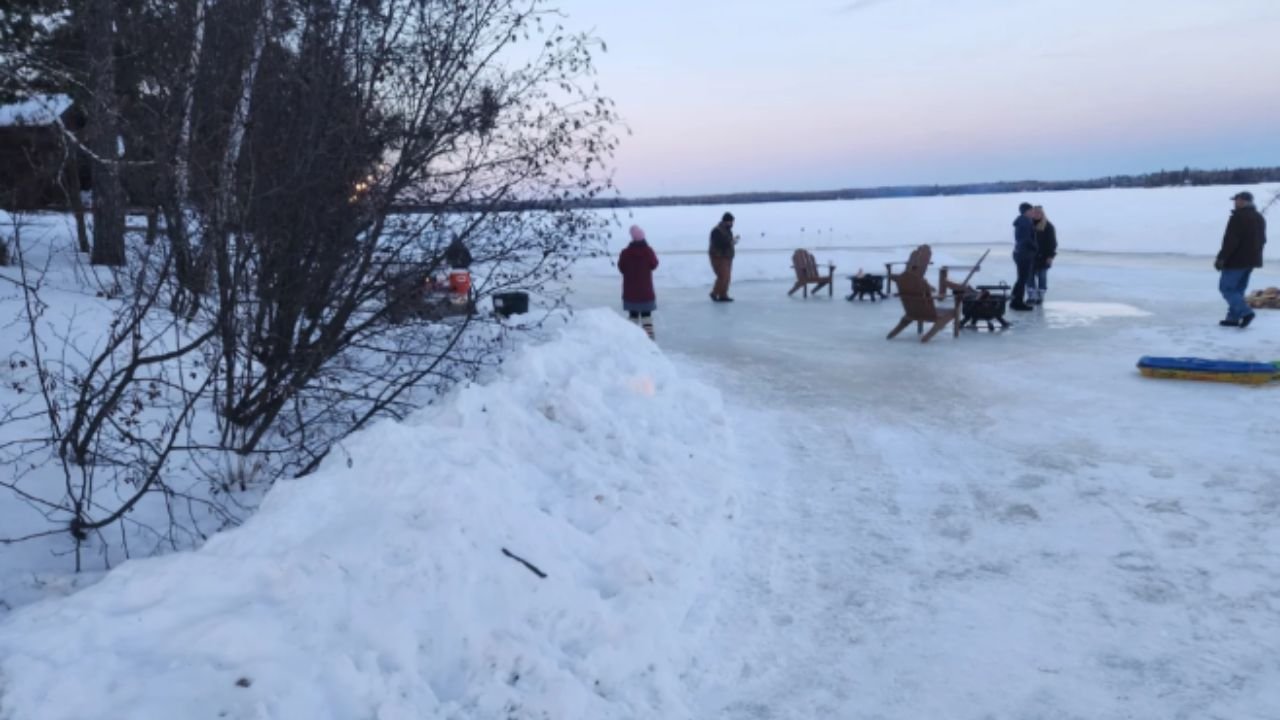
Alt text: Winter gathering on a frozen lake near Timber Trail Lodge in northern Minnesota.
A good winter trip begins with convenient lodging. Staying close to the trails means more riding and less driving.
Timber Trail Lodge sits on Farm Lake, just outside Ely. Its location provides convenient access to the area’s winter trail system while giving guests a quiet lakeside base after a day of riding.
Riders can reach nearby state and local trail connections without making long highway drives. That makes Timber Trail Lodge a practical base for exploring the Taconite State Trail, the Tomahawk Trail, and connected regional routes.
Comfort After a Day on the Trails
Long rides through northern Minnesota can be tiring. Returning to a warm cabin makes the experience even better.
Timber Trail Lodge offers lakeside cabins with full kitchens, comfortable living areas, and fireplaces in many accommodations. Guests can relax after riding without leaving the property.
Many cabins also provide beautiful winter views across frozen Farm Lake.
That matters after a long day outside. You can come back, warm up, cook dinner, dry gear, and settle into the quiet of the Northwoods.
Relax With Year-Round Amenities
The property offers amenities that winter travelers appreciate.
Guests can enjoy sauna time throughout the year. After spending hours on snowy trails, warming up in the sauna can feel especially good. The peaceful lakeside setting also provides a welcome break after busy riding days.
Winter guests may also enjoy other cold-season activities depending on conditions, including ice fishing, snowshoeing, skiing, winter walks, dark sky viewing, and quiet cabin evenings.
For groups with both riders and non-riders, that variety helps. Not everyone has to spend every hour on a snowmobile to enjoy the trip.
A Convenient Base for Exploring Northern Minnesota
Staying near the trail network makes daily planning easier.
Riders can experience new routes each day without changing accommodations. The combination of comfortable cabins, winter amenities, and convenient access to Ely-area trail systems creates an easy starting point for a Minnesota snowmobile vacation.
Timber Trail Lodge works especially well for travelers who want:
A quiet winter cabin
Easy access to Ely
A lakeside base
Snowmobile trail connections nearby
Sauna time after riding
A place for non-riders to enjoy winter too
It is not just where you sleep. It is where the day begins and ends.
Where Every Trail Leads to Another Adventure
Minnesota’s best snowmobile memories begin on trails like the ones around Ely.
Ride through quiet forests, frozen lakes, and scenic Northwoods landscapes. Stop at shelters. Watch the trees change from open aspen to dark pine. Feel the temperature shift as the trail drops into a lowland or crosses a frozen stretch of winter country.
Every trail offers something different.
The Taconite State Trail gives riders distance and connection. The Tomahawk Trail brings a deeper forest feel. Ely’s local routes, trailheads, and regional connections make it possible to shape the trip around your group.
Plan carefully. Check trail conditions before leaving. Respect closures. Ride safely.
Then enjoy every mile.
FAQs
Is Minnesota good for snowmobiling?
Yes. Minnesota is one of the best snowmobiling states in the country. It has more than 22,000 miles of groomed snowmobile trails, including thousands of miles maintained by local clubs. Northern Minnesota, especially around Ely, is a favorite destination for long winter rides through forests, lakes, and scenic Northwoods terrain.
How long are snowmobile trails open in MN?
Minnesota Grant-in-Aid snowmobile trails generally operate from December 1 through March 31 when snow conditions allow. Some state trail segments may remain open later on public land if conditions allow. The best riding usually happens from late December through February, but conditions vary each winter. Always check current trail reports before heading out.
Do I need a license to drive a snowmobile in Minnesota?
Minnesota does not generally require a standard driver’s license to operate a snowmobile, but snowmobile safety certification is required for anyone born after December 31, 1976, when operating on public lands. Snowmobiles also need proper registration or a state trail sticker/pass where applicable. Check current Minnesota DNR regulations before your trip, especially if you are visiting from another state.
What are the best snowmobile trails near Ely, Minnesota?
The Taconite State Trail and Tomahawk Trail are two of the best-known snowmobile trails near Ely. Riders can also use local spur routes, lake connections, and regional trail systems to build longer rides. The Ely Regional Trailhead is a useful starting point for accessing trail resources and the David Dill Taconite Snowmobile Trail.
Where should I stay for snowmobiling near Ely?
Timber Trail Lodge is a strong winter base for snowmobiling near Ely. It sits on Farm Lake, just outside town, with convenient access to area trail systems and warm lakeside cabins after a day of riding. Guests can enjoy winter scenery, cabin comfort, sauna time, and easy access to Ely-area winter activities.
