
Where Can I See a Loon in Minnesota? Best Spots Near Ely
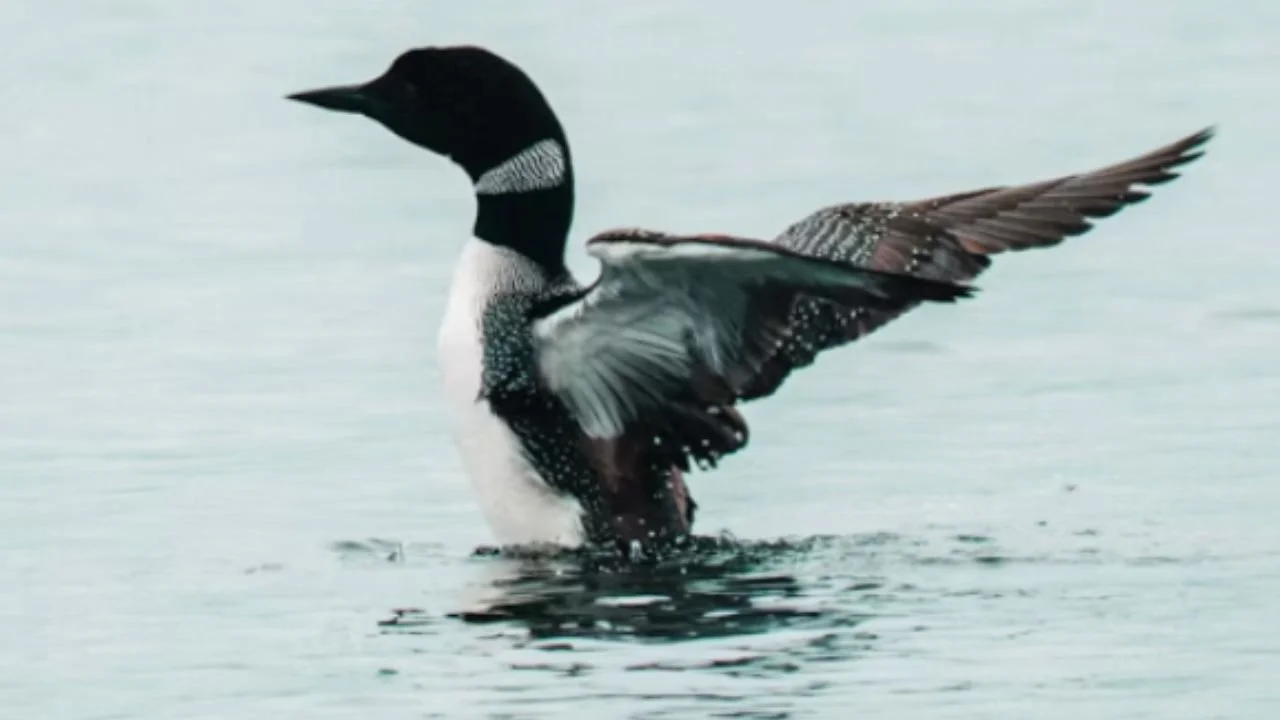
There's a sound that means summer up north. A long, wavering call drifting across still water at dusk. That's the common loon, Minnesota's state bird, and one of the most iconic voices of the Northwoods. If you're hoping to see one up close, you're in luck. The Ely area offers some of the best loon watching anywhere in the state. Clear, fish-filled lakes surround the town on every side. Loons love them just as much as anglers do.
Best Spots and Access Points Near Ely
Shagawa Lake
Shagawa Lake is right at the edge of Ely, making it the easiest spot to try first. Loons show up often near the public boat ramps. Whiteside Park offers a great shoreline view too. No boat is required. Local lakeside lodging along Shagawa also puts you within easy reach of a sighting. You can sometimes even see a loon without leaving your dock.
White Iron Chain of Lakes
Just south of Ely, you'll find the White Iron Chain. This chain links White Iron, Farm, and Garden lakes into one connected stretch of open water. The size of this chain works in your favor. Loons need open water to take flight. This area gives them plenty of room. Both motorboats and paddlers regularly spot loons diving and resurfacing here, often just yards from shore.
Kawishiwi River and Birch Lake
A short drive south on Highway 1 brings you to the Kawishiwi River and Birch Lake. This area offers something different. There are quiet bays tucked behind forested shoreline. Loons favor these calmer pockets for nesting. Fewer boats pass through. This means less disturbance during the nesting season. If you want a peaceful, low-traffic spot, this stretch is worth the drive.
Boundary Waters Canoe Area Wilderness (BWCAW) Entry Points
For a deeper wilderness experience, head into the BWCAW itself. Day-use entry points like Moose Lake and Fall Lake put your canoe directly into prime loon territory. These waters see far less boat traffic than lakes closer to town. That quiet is what enables some great loon encounters in the entire region. This is especially true of early in the morning.
Timber Trail Lodge: A Front-Row Seat to Loon Watching

Timber Trail Lodge sits right on Farm Lake. It is part of that same White Iron Chain we just covered. That means loon watching isn't something you need to drive to find. It's often right outside your cabin window. Farm Lake connects into a larger four-lake system. Thus, guests get easy access to a wide stretch of prime loon habitat without ever leaving the area.
Mornings here tend to start quietly. Mist still hangs over the water. A loon call breaking that silence is one of the small joys guests at the lodge experience. Whether you're heading out for a paddle, or just sipping coffee on the dock, loon sightings tend to happen naturally here.
Canoeing and kayaking around Farm Lake give you an especially good shot at a close encounter. Loons tend to tolerate paddlers better than motorboats. This is because paddling makes far less noise. Anglers on the lake often report the same thing. Aloon surfacing nearby, unfazed, going about its own fishing.
What Are the Best Months to See Loons in Ely, Minnesota
June, July, and August are your best bet for loon sightings. During these peak summer months, loons settle onto local lakes to mate, nest, and raise their newly hatched chicks. Sightings are almost even across the Boundary Waters region during this stretch.
Seasonal Timeline
May
Loons return as the ice melts off northern lakes. This is when territories get established. Courtship pairs begin forming during this early window.
June and July
This is peak season for families hoping to see loon chicks. Eggs hatch during this stretch. Newly hatched chicks often ride along on a parent's back. It's a memorable sight in loon watching.
August
Juveniles grow noticeably larger through August. They start learning to dive and swim on their own. Adults, meanwhile, hold onto their striking summer breeding plumage a little while longer.
September
Adult loons begin heading south toward coastal wintering grounds. Some juveniles linger behind, though, often staying on local lakes into October before making their own trip south.
What Is the Best Time of Day to See Loons in Ely, Minnesota?
Early morning, right at dawn or shortly after sunrise is the best window. Late evening near dusk works well too. During both windows, the water tends to remain calm. Loons are more active and vocal.
Daily Timing for Loon Watching
Early Morning (Dawn to 8:30 AM)
Water is usually glass-calm during this window. That stillness makes it easy to spot ripples from a distance. Loon calls also travel further across quiet water, so you'll often hear one before you see it.
Late Evening (Dusk to Pre-Sunset)
Lighting turns soft as the sun drops low. Loons tend to become active again after resting through the heat of the day. This window often rewards patient watchers with close, quiet encounters.
Midday
Loons get harder to spot near shore during midday hours. They tend to rest or forage in deeper open water. If you're set on a sighting, plan your outing around the morning or evening windows.
Where Do Loons Go in the Winter From Minnesota?
Once fall sets in, Minnesota's loons don't stick around. They travel long distances to reach warmer water. Most head for the Gulf Coast or the Atlantic Coast, where they spend the colder months. Loons actually carry a salt gland for this exact trip. It stays inactive all summer. Then, it switches on to help them handle saltwater fish and crustaceans once they arrive on the coast.
Before they leave, though, loons go through an interesting shift in behavior. Late summer brings loons together into groups called rafts, sometimes five birds, sometimes twenty. This is unusual for a bird that spends its whole breeding season defending territory alone. Researchers believe these gatherings help loons feed together on cisco. It’s a high-calorie fish that fuels their long migration south. Some scientists also think these rafts help loons scout out future mates for the following year.
Satellite tracking has revealed just how far these birds travel. One juvenile loon born on Minnesota's Whitefish Chain was tracked stopping in Iowa and Indiana before settling along Florida's Gulf Coast for the winter. Adult loons take similarly long journeys. One radio-tagged bird from Hubbard County flew through the Great Lakes region before wintering near northern Florida. It then made stops through Tennessee, Kentucky, and Illinois on its way back north the following spring.
Not every loon chooses the coast, either. Some spend winter on large, southern inland lakes instead. Whichever route they take, Minnesota's loons cover serious ground each year. Come spring, they head straight back to lakes like Farm Lake, ready to nest again.
Start Your Morning With a Loon Call
Ask any longtime Ely local, and they'll tell you the same thing. You never really get used to that call. It stops conversations. It pulls people out of cabins and onto porches. Whether you catch it from Shagawa Lake in town or deep in the BWCAW, that moment tends to linger. At Timber Trail Lodge, guests don't have to go looking for it. Farm Lake tends to bring the loons to you, one quiet morning at a time.
FAQs
When to See Loons in Minnesota?
The best time to see loons in Minnesota is from June through August. During summer, loons mate, nest, and raise their chicks. June and July offer good chances to spot chicks. Adults may remain on local lakes through August.
Where Can I See Loons in Minnesota?
Good places include Shagawa Lake, the White Iron Chain, Birch Lake, and the Kawishiwi River. The Boundary Waters also offers excellent loon habitat. Near Ely, Farm Lake provides easy viewing opportunities from Timber Trail Lodge.
Why Are Loons So Important to Minnesota's Culture?
Loons are Minnesota's state bird and a familiar symbol of the Northwoods. Their distinctive calls are closely linked with northern lakes and summer. For many people, hearing a loon across quiet water represents the peaceful character of Minnesota's wilderness.
