
Smallmouth Bass Fishing in Minnesota: Best Lakes, Tips and Seasons
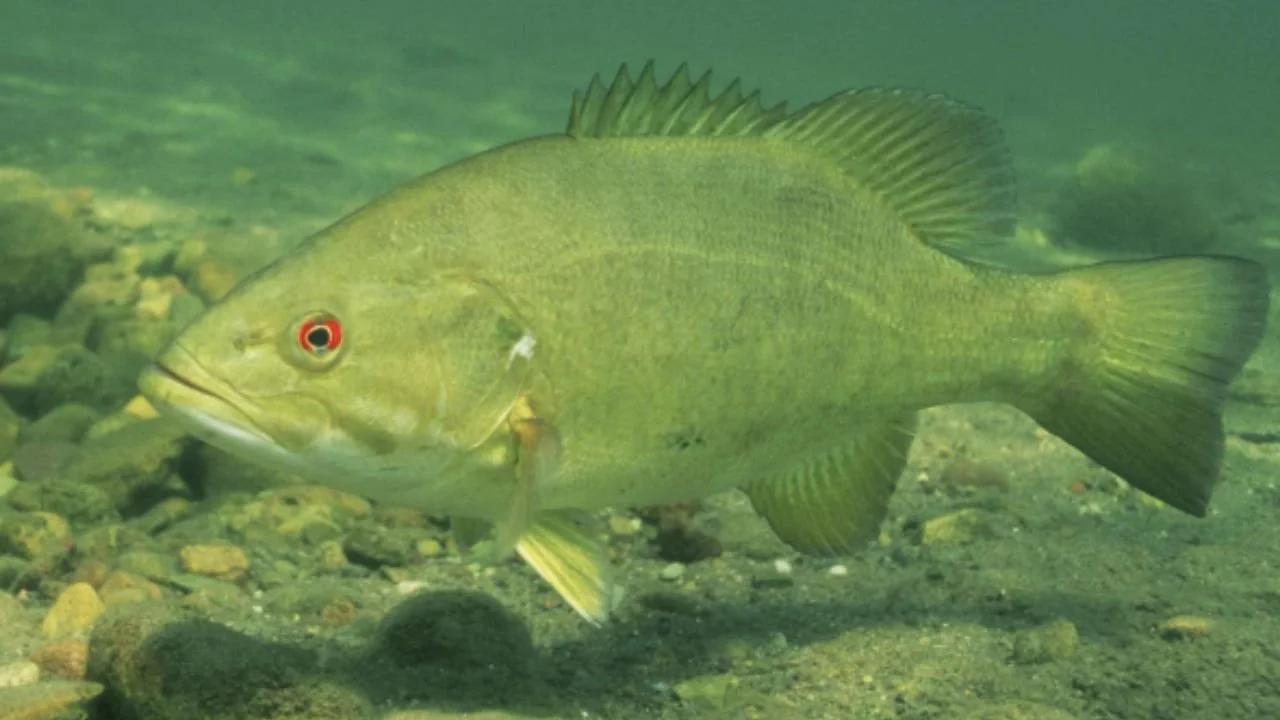
Minnesota is a top smallmouth bass destination in the country. Cold, clear lakes and rocky rivers cover the state. It provides the ideal habitat for smallmouth. It also produces trophy-sized fish year after year.
Diverse Habitat and Water Systems
Expansive Lakes
Mille Lacs Lake holds massive rock reefs and boulder fields. Those structures support high numbers of 5- to 6-pound smallmouth. Lake Vermilion offers rocky shorelines and clear water. That setup is perfect for sight-casting. Rainy Lake, inside Voyageurs National Park, delivers a similar experience. Both lakes reward anglers who fish structure carefully.
Dynamic Rivers
Rivers add another layer to Minnesota's smallmouth fishery. The upper Mississippi River holds rocky current seams and wing dams. Metro stretches offer similar structure closer to the city. The St. Croix River adds deep eddies and strong current breaks. Southeastern streams round out the mix. Fly anglers and conventional anglers both find plenty of moving water here.
Favorable Management and Growth
Healthy Populations
Smallmouth bass now live in more than 500 lakes statewide. Major rivers add even more water to that number. Populations have expanded steadily over recent decades. Anglers today have more places to fish than ever before.
Protective Regulations
Catch-and-release rules and slot limits protect quality fish on many waters. These regulations let smallmouth grow past six pounds in some lakes. This explains why trophy fish keep turning up statewide.
Long Prime Seasons
Active feeding runs strong from late May through October. That window peaks during summer. Water temperatures settle into the 65 to 75-degree range then. Smallmouth feed aggressively once conditions hit that sweet spot.
Where to Go Smallmouth Bass Fishing Near Ely
Farm Lake and Garden Lake stand out near Ely. Both rank among the best local smallmouth options. Both lakes belong to the White Iron Chain of Lakes. That system spans 11,000 acres total. It also includes White Iron Lake and South Farm Lake. Anglers get connected water, strong rocky structure, and naturally reproducing smallmouth across the chain.
Farm Lake & Garden Lake
Rocky shorelines, points, and underwater humps run through both lakes. That structure gives smallmouth exactly what they need. Motorized watercraft are allowed on both lakes. Local resorts sit right on the water too. That combination makes access far simpler than fishing strict wilderness boundaries. For tactics, target rocky points and wind-blown shorelines. Early morning and late evening work best. Jigs, crankbaits, and topwater lures all produce well here.
Farm Lake is right outside Timber Trail Lodge. It makes it a convenient spot for smallmouth bass fishing. The lodge is located directly on its shore. Guests can reach smallmouth water without loading a boat onto a trailer. Rocky shorelines, points, and narrows run along much of the lake. That gives anglers plenty of structure to work through in a morning. Smallmouth bass already rank among the species regularly caught on Farm Lake. Walleye and northern pike swim the same waters.
Garden Lake offers a slightly different experience within the same system. Traffic tends to run lighter here than on Farm Lake. That suits anglers hoping for a quieter outing. Rocky structure still runs strong throughout Garden Lake. Smallmouth hold in many of the same kinds of spots. Anglers looking to escape a busier morning often shift over here for calmer water.
Other Top Smallmouth Spots Near Ely
White Iron Lake also stands out on the chain. It holds quality fish, along with the occasional trophy.
Basswood Lake carries a strong reputation as a premier smallmouth fishery. Reaching it requires a trip into the Boundary Waters Canoe Area Wilderness.
Shagawa Lake rounds out the list. It offers another solid option close to town for a shorter drive.
Tips for Catching Smallmouth Bass in Minnesota
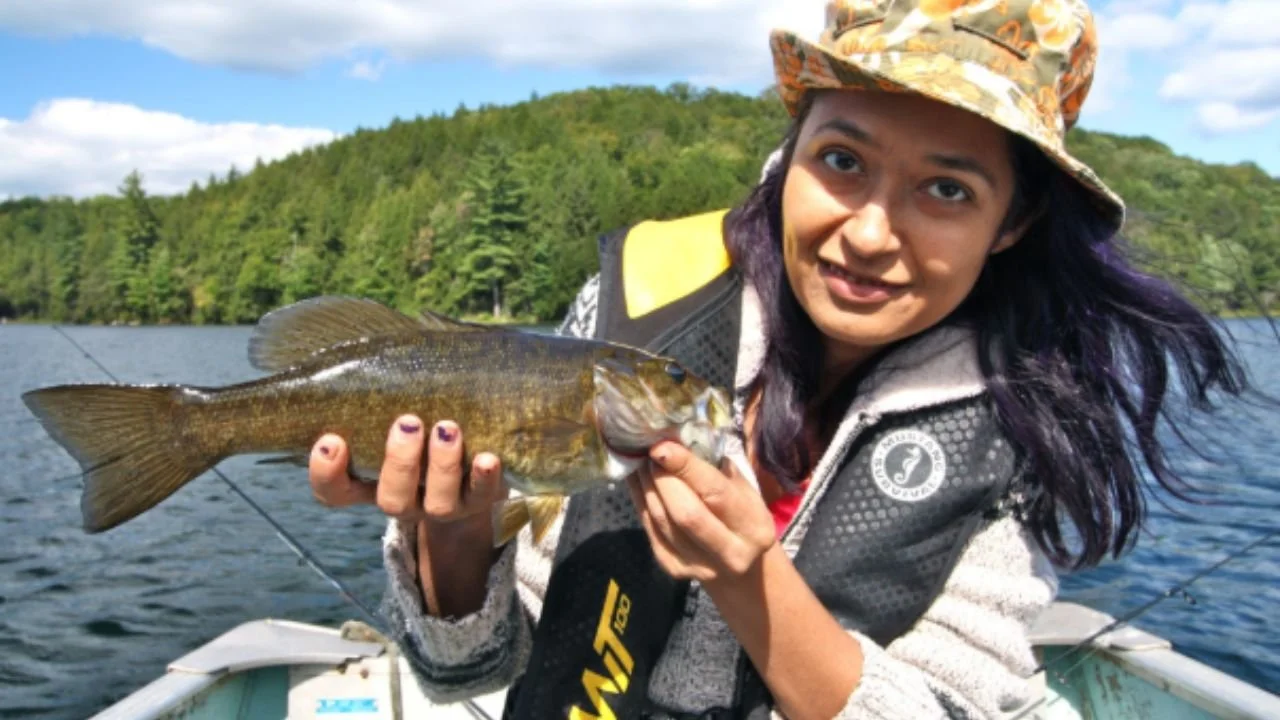
Smallmouth bass fight harder than their size suggests. Many anglers who hook a two-pound smallmouth swear they're battling something twice as big.
When to Fish
Minnesota's catch-and-release season opens in mid-May. That date lands on the same Saturday as walleye and northern pike season. An early harvest season also opens that day in one region. It covers the area north and east of Highway 53, from Duluth to International Falls. For two weeks, that stretch is the only part of the state to keep bass.
The statewide harvest season opens two weeks later. That puts it in late May across the rest of Minnesota. Waters bordering Canada, North Dakota, South Dakota, Iowa, and Wisconsin follow separate dates. Always check regulations before fishing a specific water body.
Where to Fish
Smallmouth bass favor shallow rocky shoals, reefs, and drop-offs. They also move into deeper water at times. There, they hunt prey fish or crayfish. In rivers, look for rocky riffles, eddies, and pools. Smallmouth hold tight to current breaks in moving water.
How to Fish
Several techniques produce consistent results for smallmouth. Hard plastic baits, spinners, jigs, and plastic worms all work well. Results depend on conditions on a given day. Casting or trolling a hard plastic lure works well on lakes. Rocky shorelines and shallow points make the best targets. Spinnerbaits work well in those same areas too.
Jigs shine in deeper water. Try a quarter-ounce to half-ounce jig for this approach. Tip it with a minnow or a plastic twister tail. Let the jig sink to the bottom first. Then bounce it slowly along rocky structure. If that doesn't produce a bite, try a live night crawler instead. Thread it onto the jig the same way.
Surface lures bring some of the most exciting strikes in bass fishing. Early morning and late evening produce the best topwater action. Twitch a lure that mimics an injured baitfish. That motion often triggers explosive strikes. Bass rocket up from below to hit it. That same excitement makes fly fishing popular for smallmouth too.
Gear
Most bass rods run six to eight feet long. Rods between 7 and 7.5 feet hit a solid middle ground. That length balances casting accuracy with a strong hookset. Graphite rods offer more sensitivity than fiberglass. That helps anglers feel light bites more easily. Bait-casting reels remain the top choice among serious anglers. Spin-casting reels still get the job done, though.
Line choice depends on the situation at hand. Braided line helps pull lures free from heavy cover. Look for line rated at 15-pound test or higher. Monofilament works well for shallow-running lures. Fluorocarbon offers minimal stretch on the retrieve. It also helps hard plastic baits dive deeper. A landing net and needle-nose pliers round out the gear list.
What's Important to Know
Keep a variety of lure colors and sizes on hand. Water clarity and light conditions change what works best. Many anglers release smallmouth after the catch. Part of the reason is taste. The species isn't considered top-tier table fare by most standards.
Basic Biology
Smallmouth bass feed mainly on minnows, crustaceans, and aquatic insects. Crayfish rank as a favorite food source. Coloring tends to run brown, with red eyes and dark vertical bands. The upper jaw extends back near the middle of the eye. Males typically weigh around two pounds.
Females commonly reach three to six pounds. Smallmouth prefer cooler water than largemouth bass. They generally put up a stronger fight, too. Minnesota's state record smallmouth weighed eight pounds.
Best Seasons for Smallmouth Bass Fishing in Minnesota
Peak season runs from late May through September. Water temperatures during this stretch sit between 60 and 75 degrees.
Seasonal Breakdown
Late Spring (Late May – June)
This window covers the pre-spawn and post-spawn periods. Bass tend to run heavy and aggressive now. Fish move into shallow rocky areas during this stretch. That makes them easier to locate and quick to strike.
Summer (July – August)
Action stays strong through summer months. Early morning and late evening produce the best bites. Midday heat pushes smallmouth toward deeper, cooler water. Rocky points and submerged islands become key targets then.
Fall (September – October)
Bass feed heavily in fall to build reserves. That creates a strong bite across lakes and rivers alike. The Mississippi sees especially active fall fishing. As water cools, fish shift toward deeper wintering areas.
Minnesota Regulations Note
Minnesota allows year-round catch-and-release fishing for bass on inland waters. Harvest seasons generally run from late May through mid-September. Exact dates depend on the specific zone or water body. Lake Mille Lacs carries its own special restrictions. Always check the Minnesota DNR Bass Guidelines before heading out.
Cast Your Line Where the Chain Begins
Minnesota's lakes and rivers offer more smallmouth water than most could fish in a lifetime. Near Ely, that opportunity narrows to something manageable. Farm Lake, Garden Lake, and the White Iron Chain wait right outside town. Staying at Timber Trail Lodge puts that water within reach, cast after cast. Pack your rod, check the season dates, and let the chain do the rest.
Frequently Asked Questions
What bait is best for smallmouth bass?
Live bait like minnows and night crawlers works well for smallmouth. Threading it onto a jig improves results even more. Crayfish-imitating lures also perform strongly, since crayfish rank among the smallmouth's favorite natural prey.
What's the best way to catch smallmouth bass?
Target rocky shorelines, points, and drop-offs with jigs, crankbaits, or topwater lures. Fish early morning or late evening for the most active bites. Slow your presentation down once fish move into deeper water.
What is the 80/20 rule in bass fishing?
The 80/20 rule says most bass get caught in a small share of the water. Anglers who focus on prime structure tend to catch far more fish.
What is the best rig for catching smallmouth bass?
A jig tipped with a twister tail or live minnow works well in deeper water. For shallow, rocky areas, a crankbait or topwater lure often produces the most consistent strikes.
