
Farm Lake vs. Garden Lake: 7 Key Differences for Your Ely Trip
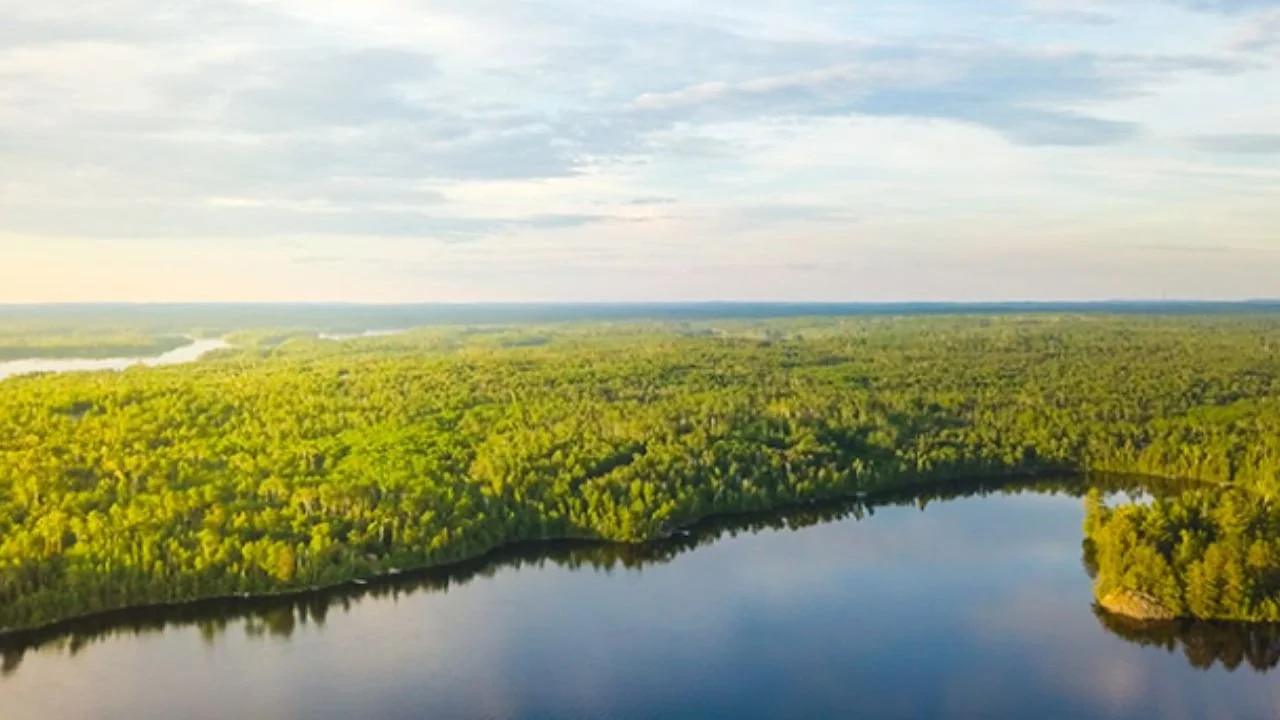
Farm Lake is the better choice for easy BWCA (define what BWCA stands for here) access, calm water, and flexible trips. Garden Lake suits those who want a quieter, more tucked-away feel with simple boating and fishing.
That’s the quick answer. But the real choice depends on how you want your days to feel. Do you want options and movement? Or a slower, more contained rhythm?
Keep reading to find the guidance that helps you decide.
1. Farm Lake vs Garden Lake: Size and Layout Change Everything
The first thing you notice is space.
Farm Lake is larger at about 1,292 acres. Garden Lake is smaller and feels more compact. This difference shows up right away once you’re on the water.
On Farm Lake, you can stretch out. You can cruise, explore, and still find quiet pockets. On Garden Lake, things feel closer. Shores are near. Routes are shorter.
Here’s what that means for you:
Farm Lake
More room to explore
Longer boat rides feel natural
Easier to spend a full day moving around
Garden Lake
Shorter distances
Easier to learn quickly
Better for simple, no-plan days
2. Farm Lake vs. Garden Lake: BWCA Access and Entry Points
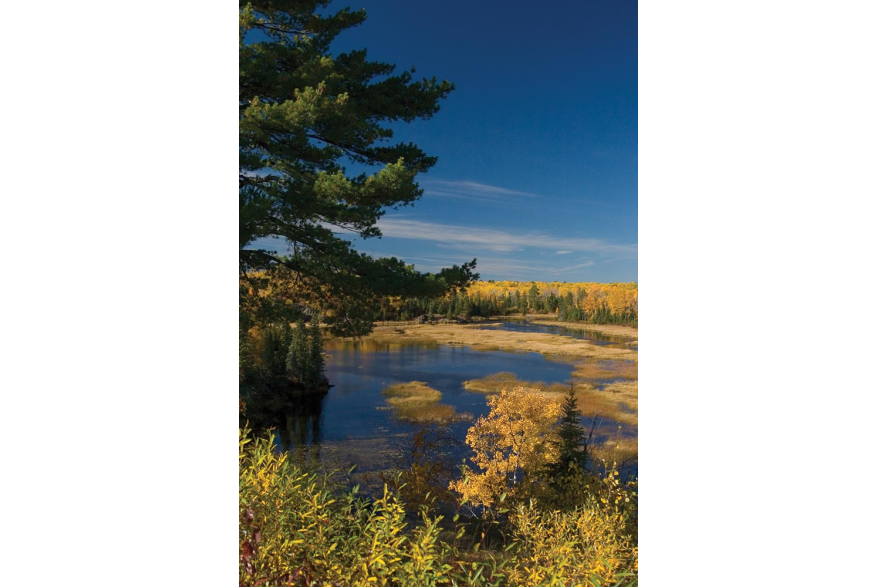
Farm Lake sits right on the edge of the Boundary Waters Canoe Area Wilderness (BWCA). It’s not just nearby. It’s a real entry point.
This is Entry Point 31 (Farm Lake). From here, you can move into:
South Farm Lake
North Kawishiwi River
Deeper BWCA routes
That opens the door to both short trips and full wilderness paddles.
So what does a real BWCA day look like from here?
You start with a short paddle across Farm Lake. Then you head toward South Farm Lake. There may be a short portage depending on your route. After that, you’re inside the wilderness. No houses. No boat noise. Just water, trees, and time slowing down a bit.
It doesn’t have to be complicated. Many visitors:
Paddle in for a few hours
Stop for lunch on a quiet shoreline
Fish a bit
Head back before evening
You get a taste of the BWCA without committing to a multi-day trip.
Now let’s talk about permits.
BWCA Permit Basics
Type: Day Use Permit (Non-motorized)
When You Need It: For paddling into BWCA during the day
How It Works: Self-issued at entry point. Free. No booking needed
Type: Overnight Paddle Permit
When You Need It: For camping inside BWCA
How It Works: Must reserve in advance on Recreation.gov
Type: Motorized Day Use Permit
When You Need It: For motors in allowed areas
How It Works: Limited and must be reserved
For overnight trips and some motorized routes, you need to book through Recreation.gov. These permits are limited and can fill fast, especially in summer.
That’s why Farm Lake stands out. It gives you options:
Go simple with a day paddle
Or plan a full overnight trip
Garden Lake connects into the same chain. It has a public boat ramp off Fernberg Road (CR 18). So you can launch and get on the water easily.
It’s not a BWCA wilderness entry point like Farm Lake. But it still works well for accessing the lake system. It feels quieter and less focused on wilderness entry. The lake is more like a calm starting point for relaxed days on the water.
Here’s how to decide:
Want to try the BWCA without a full expedition? → Farm Lake makes that easy
Want to stay outside the permit system and keep things simple? → Garden Lake works well
3. Farm Lake vs Garden Lake: Connection to the White Iron Chain
Both lakes sit inside the same connected system. But once you’re on the water, the experience feels different.
The White Iron Chain of Lakes links four main lakes:
Farm Lake
Garden Lake
White Iron Lake
South Farm Lake
Together, this system spreads across roughly 11,000 acres of water. That’s a lot of space to explore without ever loading your boat back on a trailer.
Let’s picture how it actually connects.
How the Lakes Link Together
Think of it like a flowing path:
Farm Lake sits in the middle
Garden Lake connects on one side
White Iron Lake opens out further from Garden
South Farm Lake connects in the other direction and leads toward the BWCA
You can move between these lakes by boat. No portage needed in most sections. It feels smooth and natural.
You might start with a short ride. Then you keep going. Suddenly, you’ve crossed into a completely different part of the chain.
What Each Lake Feels Like
Each lake has its own personality. That’s what makes this system interesting.
Farm Lake
Central and easy to navigate
Mix of open water and sheltered areas
Often used as a starting point
Garden Lake
Smaller and quieter
Has a public boat launch off Fernberg Road (CR 18)
Feels like a calm section of the chain
White Iron Lake
Large and open
Great for long boat rides
Can get rough when the wind picks up
South Farm Lake
Narrower and more controlled
Leads toward BWCA routes
More regulated to protect the wilderness feel
Motor Rules Across the Chain
Rules change depending on where you go. This is where many first-time visitors get confused.
Lake: Farm Lake
Motor Rules: No special motor limit
Permit Needed: No permit required
Lake: Garden Lake
Motor Rules: No special motor limit
Permit Needed: No permit required
Lake: White Iron Lake
Motor Rules: No special motor limit
Permit Needed: No permit required
Lake: South Farm Lake
Motor Rules: 25 HP motor limit
Permit Needed: BWCA permit required beyond boundary
South Farm Lake is the key shift point. Once you move toward the BWCA boundary, rules tighten.
Motors are limited to 25 horsepower
A BWCA permit is required once you enter the wilderness
These rules help protect the quiet and natural feel of the area.
4. Farm Lake vs Garden Lake: Water Conditions and Comfort
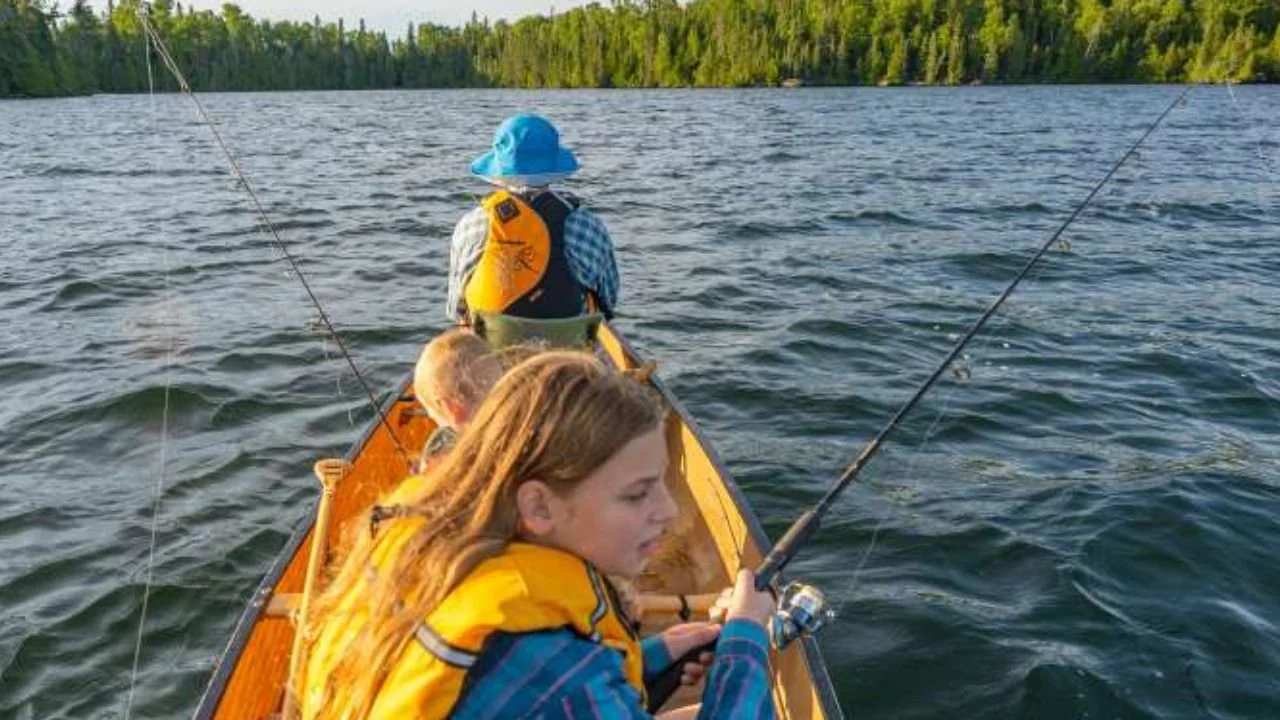
Farm Lake is bigger. Still, it doesn’t feel wide open all the time. The shoreline bends. Small islands and points break the wind. So even on breezy days, you can shift your route and find calmer water.
Garden Lake is smaller and more contained. That helps keep things calm most days. But it also means fewer backup options if wind picks up from the wrong direction.
And then there’s one detail most people don’t think about.
The Hydroelectric Dam Effect (Fernberg Trail)
Both lakes are part of the same connected system. Water levels here are influenced by a hydroelectric dam along the Fernberg Road corridor.
This matters because:
Water levels can rise or fall slightly during the season
Shorelines may look different from one visit to another
Some shallow areas become easier or harder to navigate
For boaters and anglers, its impact can be seen in these ways:
A rocky spot that was just under water last year might be visible now
A shallow bay may feel tighter in late summer
Dock height and shoreline access can vary slightly
It’s not extreme. But it’s noticeable if you spend time on the water.
How It Feels on the Water
Farm Lake
You can adjust routes based on wind
Mix of open water and protected sections
Better for longer rides and exploring
Garden Lake
Calm and steady most days
Fewer route changes if weather shifts
Works well for short, easy paddles
What This Means for You
First time paddling? You’ll want options if wind picks up
Traveling with kids? Calm water feels safer
Planning a longer day? Flexibility helps
Farm Lake gives you more room to adjust. Garden Lake keeps things simple and predictable.
5. Farm Lake vs Garden Lake: Fishing Experience
Fishing here feels different once you spend a full day on each lake.
Farm Lake gives you more variety. It’s about 1,292 acres, with structure, depth changes, and connected water. Fish move more. You have more spots to try.
Garden Lake is simpler. It still has fish, including stocked walleye. But overall numbers are lower compared to Farm Lake. So some days feel slower.
What You Can Catch
Both lakes have similar species:
Walleye
Smallmouth bass
Northern pike
But how often you find them, and how active they are, can differ.
Garden Lake has a walleye stocking program. This helps maintain the population. Still, it doesn’t fish as consistently as Farm Lake.
Where and How to Fish Farm Lake
Farm Lake rewards a bit of movement.
1. Reefs and Mid-Lake Structure (Walleye) Look for rocky humps and drop-offs. Early morning and evening are best.
Use a jig and leech or minnow
Drift slowly across structure
2. Shoreline Rock and Points (Smallmouth Bass) Check rocky shorelines, especially where wind hits.
Cast crankbaits or soft plastics
Expect quick, aggressive hits
3. Weedy Bays and Shallow Edges (Northern Pike) These areas are easy to spot.
Use spoons or spinnerbaits
Great for beginners
Fishing on Garden Lake
Garden Lake is more about patience.
Fewer active zones mean you tend to stay in one area longer. That’s not a bad thing. It just changes the rhythm.
Focus on shoreline structure and gradual drop-offs
Fish slower and give spots more time
Early morning and late evening matter more here
A Look at Regulations
Fishing rules matter, especially for walleye.
Lake: Farm Lake
Walleye Regulation (General): Protected slot (typically 17–26 inches must be released; check current DNR rules)
Lake: Garden Lake
Walleye Regulation (General): Same regional regulations apply
Regulations can change. It’s always smart to check the latest Minnesota DNR updates before your trip.
What This Means for Your Trip
Want steady action and the freedom to try different spots? → Farm Lake makes that easier
Okay with slower fishing and a quieter pace? → Garden Lake fits that mood
6. Farm Lake vs Garden Lake: Lodging and Trip Setup
Where you stay shapes everything.
Farm Lake has more direct-access lodging options right on the water. That includes places like Timber Trail Lodge, which sits along the shoreline.
This kind of setup changes your day:
Walk from cabin to dock
Get on the water in minutes
No extra driving or planning
Cabins here are designed to enhance your trip’s comfort. Expect:
Full kitchens for easy meals
Separate sleeping spaces for families
Views of the lake right outside
Garden Lake has fewer of these setups. It leans more toward private cabins or quieter stays without the same level of on-site support.
7. Farm Lake vs Garden Lake: Trip Style and Overall Feel
Farm Lake feels flexible. You can do a little bit of everything. Relax one day. Explore the next. Garden Lake feels steady. It’s about slowing down and staying put.
Here’s a simple way to think about it:
If you want… Easy BWCA access
Choose: Farm Lake
If you want… More movement and options
Choose: Farm Lake
If you want… Simple, quiet days
Choose: Garden Lake
If you want… Short paddles and low planning
Choose: Garden Lake
Neither is wrong. They just serve different moods.
Farm Lake vs Garden Lake: Quick Comparison Table
Feature: Size
Farm Lake: ~1,292 acres
Garden Lake: 600–700 acres
Feature: BWCA Access
Farm Lake: Direct entry point (Entry Point 31)
Garden Lake: Not a BWCA entry point, but connects to the chain
Feature: Motor Rules
Farm Lake: No special limits on main lake
Garden Lake: Standard boating, no BWCA motor rules
Feature: Nearby Motor Limits
Farm Lake: South Farm Lake has 25 HP limit (BWCA area)
Garden Lake: Same access via chain, but not direct
Feature: Fishing
Farm Lake: Strong population (walleye, bass, pike)
Garden Lake: Lower fish population, simpler fishing
Feature: Lodging
Farm Lake: More lakefront stays and full-service options
Garden Lake: Fewer lodging options, quieter setups
Feature: Best For
Farm Lake: BWCA access, flexible trips, variety
Garden Lake: Quiet stays, short paddles, simple days
A Practical Way to Decide
Sometimes all the details blur together. So bring it back to real choices.
Think about your trip like this:
Is this your first time near the BWCA?
Do you want easy access without full commitment?
Will kids or older family members join?
Do you prefer structured plans or flexible days?
If flexibility, access, and comfort matter more, Farm Lake stands out. If simplicity and staying in one place feel better, Garden Lake makes sense.
And once you picture your actual day, the answer usually becomes clear.
In the end, it’s not about which lake is better. It’s about which one fits the way you want to spend your time.
