
7 Things to Know Before Booking MN Family Resorts
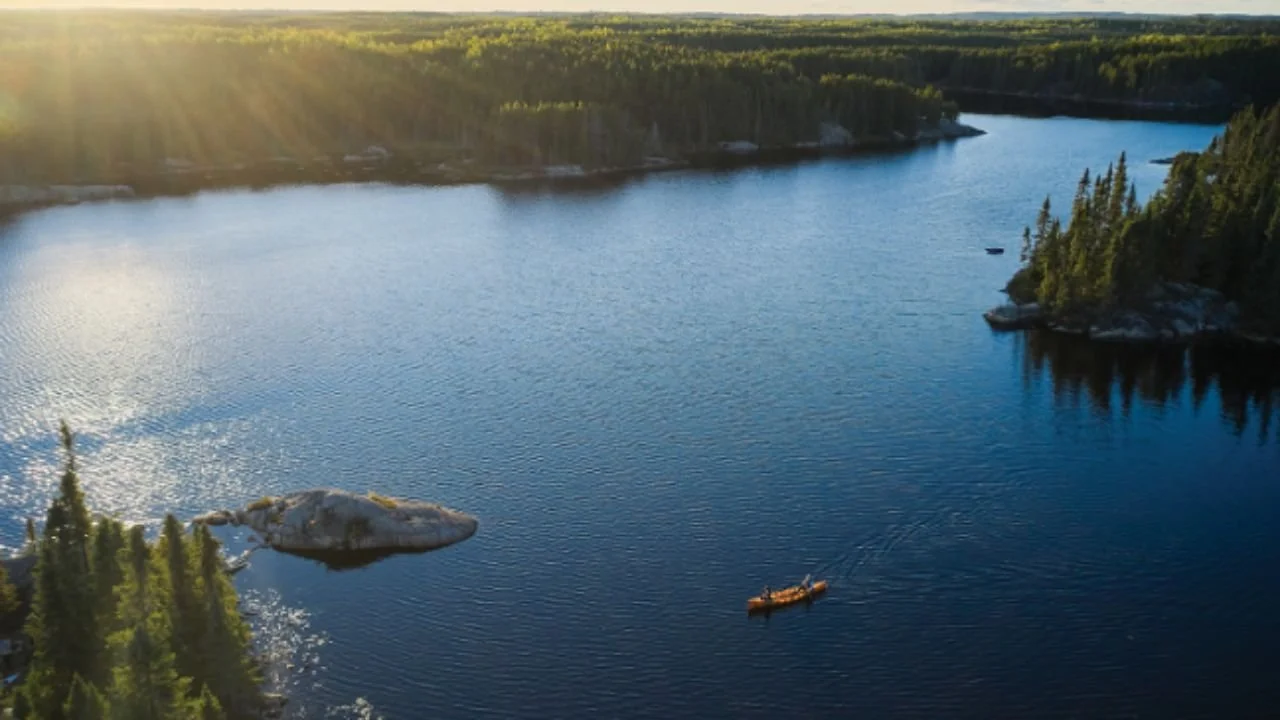
Booking the right Minnesota family resorts comes down to one thing. You need to match the place with how your family actually spends time.
That sounds simple. But once you start searching, everything looks the same. Cabins. Lakes. Photos of sunsets. It all blends together.
Then the real questions hit.
Will the kids get bored?Will it feel too rustic?Is it worth the drive?
Let’s break this down in a way that actually helps you decide.
1. Not All Minnesota Family Resorts Feel the Same
At first glance, most places look similar. A lake. A dock. A few cabins.
But the experience can feel completely different.
Some resorts are quiet and slow. Others are busy and activity-heavy. Some feel like summer camp. Others feel like a private retreat.
Ask yourself:
Do you want structured activities or free time?
Do you want crowds or quiet mornings?
Do you want a social vibe or family-only space?
This matters more than amenities.
Because even the best place can feel wrong if the pace doesn’t match your family.
2. Location Changes Everything
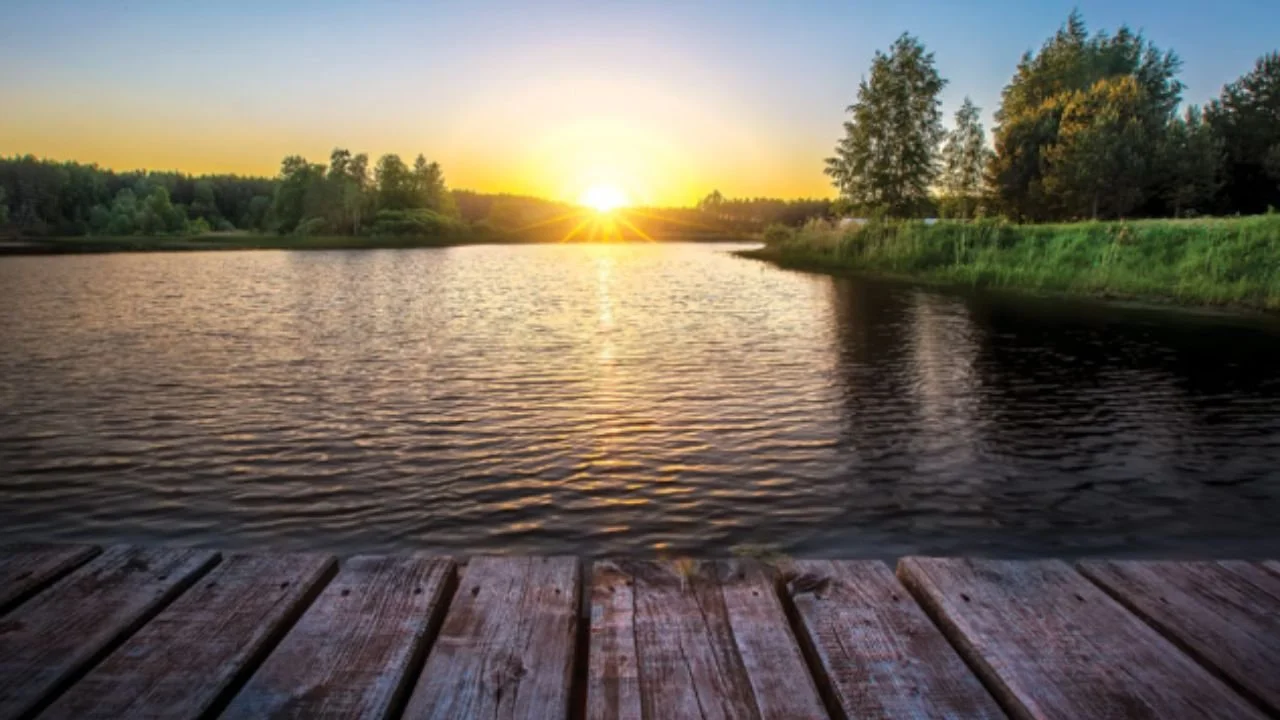
Minnesota has thousands of lakes. But where you stay shapes the whole experience.
The northern region near Ely sits about 3.5 hours from Minneapolis. It’s far enough to feel like a true escape. Pine forests stretch along the shoreline. Loons call across the water. Wolves or moose might cross a quiet path in the distance. The air smells fresh, with hints of pine and water. Crowds are rare, and the pace slows naturally.
Closer to cities, lakes are easier to reach. Drives are shorter, meals and supplies are convenient, and cell signals are strong. But the experience is busier. Noise and traffic are part of the setting.
The Farm Lake area near Ely strikes a balance. You get the remote northern wilderness feel without being completely cut off. Timber Trail Lodge sits right on the lake. So, families wake up to lake views and start their day with easy access to nearby forest trails. Essentials like groceries, boat rentals, and permit guidance are all nearby. It makes the trip simple yet immersive.
In short:
Closer to cities: convenience, quick trips, easy access
Farm Lake / Timber Trail Lodge: quiet, wildlife, lakefront cabins, still reachable in one day from the metro
Far north: full isolation, wilderness immersion, longer drives
3. Lake Type Matters More Than You Think
This is something most people don’t realize until they arrive.
Some lakes are big and open. Others are smaller and protected.
And that changes your whole day.
Big lakes → better for long boat rides, can get windy
Smaller lakes → calmer water, easier for kids and beginners
If someone in your group is new to boating or paddling, this becomes a big deal.
No one enjoys a choppy lake when they just want to relax.
4. Activities Sound Great, But Simplicity Wins
Resort listings often list dozens of activities. Kayaks, canoes, fishing, hiking trails, board games. It all sounds exciting. But most families don’t do everything in a single day.
A day on Farm Lake usually settles into a simple rhythm:
Morning paddle
The lake is calm. Loons call across the water. A family glides past small islands and shallow bays. Walleye might be visible near drop-offs, while kids spot minnows darting near the dock. The quiet makes even a short 30–40 minute paddle feel like an adventure.
Fishing breaks
Families cast lines from the dock or a boat. Northern pike lurk near weedy edges and smallmouth bass chase in currents near rocks. Even beginners usually catch something,
Lunch back at the cabin
After a morning on the water, the full kitchen makes it simple to prepare sandwiches or hot meals. Everyone can relax and dry off without rushing.
Afternoon hike or shore exploration
Trails wind through the northern forest. Moose tracks, eagle nests, or wolf sightings are possible if you’re quiet. A short 15–20 minute walk gives a taste of the North Woods without overextending kids or grandparents.
Evening by the fire
The cabin fire pit becomes the day’s gathering spot. Flames crackle, marshmallows toast, and the scent of pine hangs in the air. Stars appear quickly, and the lake mirrors the sky.
5. Cabin Comfort Can Make or Break the Trip
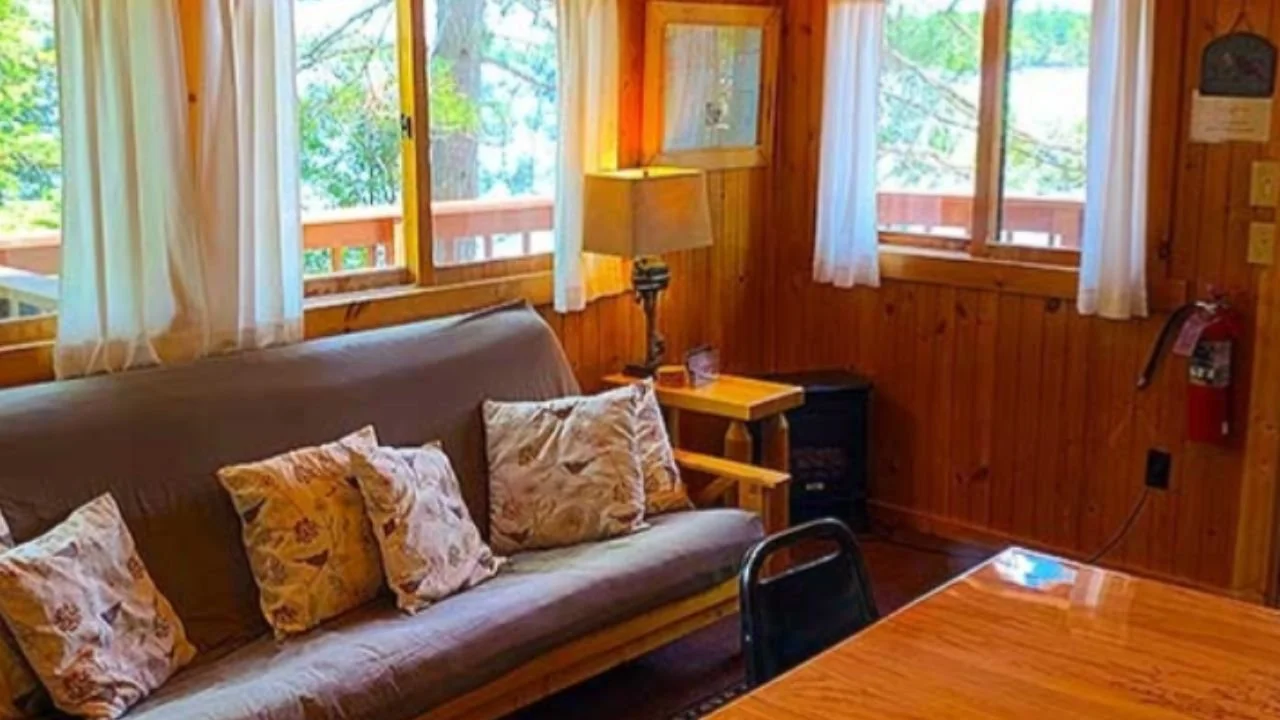
All Minnesota family resorts are not the same. Many hotel-style resorts have shared pools and crowded common areas. They offer limited privacy. Cabins, on the other hand, give families their own space. Everyone can spread out, relax, and keep their own schedule.
For a wilderness-adjacent lodge, comfort takes on a specific meaning:
Private living spaces
Separate bedrooms for parents and kids, and open living areas for gathering.
Full kitchens
Equipped to cook meals, store groceries, and save time.
Bathrooms that work
Enough sinks and showers to avoid morning bottlenecks.
Easy access
Ground-level or minimal stairs for grandparents or toddlers.
Outdoor amenities
Private docks, play areas, and fire rings that let families enjoy the lake without leaving the property.
At Timber Trail Lodge, cabins sit right on Farm Lake. Families wake up to lake views and step straight onto calm water. Kids can run to the dock or play nearby while adults prep breakfast in a full kitchen. Even simple touches, like multiple sleeping areas or a cozy seating nook, keep everyone comfortable for the whole stay.
Questions to Ask Before You Book a Minnesota Family Resort
Before locking in any Minnesota family resorts, it helps to pause and ask a few simple questions.
Cabin & Comfort
Is the kitchen fully equipped or basic?
Are linens and towels included?
Is there enough space for your group?
Outdoor Setup
Is there a campfire ring at the cabin?
Is firewood provided or sold on-site?
Is there a private dock or shared access?
Lake Access
Is there an on-site boat launch?
Are boat or canoe rentals available?
How far is the water from your cabin?
Stay Details
Is there a minimum stay requirement in peak season?
What is the check-in and check-out timing?
Are there quiet hours or specific rules?
6. Permits, Rules, and Access Can Be Confusing
The area around the Boundary Waters Canoe Area Wilderness has rules. Not complicated once you learn them, but not obvious either.
Let’s slow this down and make it clear.
What Is a BWCA Permit, Really?
A permit is simply a way to manage how many people enter the wilderness each day.
It helps protect the area. Keeps it from getting crowded. And makes sure the experience stays quiet and natural.
There are two main types:
Day-use permit → for short visits, no overnight stay
Overnight permit → required if you plan to camp inside the BWCA
For day trips, the process is simple.
You don’t need to book in advance. You fill out a permit at the entry point. It’s free. You carry a copy with you.
When You Do NOT Need a Permit
You only need a permit after you cross into the BWCA boundary.
So if you are:
Boating
Fishing
Paddling
…on lakes outside that boundary, you don’t need one.
Motor Rules Can Vary
All lakes do not follow the same rules.
Some lakes allow full motor use
Some have horsepower limits
Some are paddle-only once inside the BWCA
For example, areas like South Farm Lake allow motors, but with limits. This keeps things quieter and closer to a wilderness feel.
How Entry Points Work
There are designated entry points into the BWCA. Each one connects to a different route.
Some are easier:
Short paddle
No portage
Good for beginners
Others require more effort:
Carrying gear between lakes
Longer routes
More planning
This is where having the right setup changes everything.
Staying near entry points helps. Being on connected lakes helps even more. You can explore without immediately dealing with permits or restrictions.
And when you do want to enter the BWCA, guidance makes the process smooth.
At places like Timber Trail Lodge, support is built into the experience:
Help understanding which permits you need
Assistance finding available permits on booking day
On-site printing for permits booked online
Clear directions to the right entry points
7. The “Feel” of a Place Matters More Than the Features
You can compare amenities all day.
But what you’ll remember is the feeling.
Was it peaceful?Did the kids laugh more than they argued?Did mornings feel slow instead of rushed?
That’s hard to measure on a website.
But you can sense it through small signs:
How the place is described
Whether it focuses on experience or just features
If it feels relaxed or overly structured
Go with the place that feels right, not just the one that looks impressive.
A Closer Look at a Stay That Keeps Things Simple
Some places make a trip feel lighter from the moment you arrive. Not because they add more, but because they remove small points of stress.
Farm Lake is a good example of that.
The lake itself is about 1,328 acres. You can cross parts of it without worrying about long distances or strong wind.
It also connects to the White Iron Chain of Lakes. So if the mood changes, you can explore further without needing a strict plan.
What the Cabins Actually Feel Like
A lot of listings say “cozy cabin.” But what does that mean when you’re there for a week?
At Timber Trail Lodge, cabins are set up to enhance your stay at this beautiful place.
You can expect:
Full or well-equipped kitchens with basics for cooking simple meals
Separate bedrooms or sleeping areas, which matters for families
Living spaces that open toward the lake, often with clear views
Direct lake access or close proximity to docks
What’s Nearby When You Need It
Even though the setting feels remote, you’re not cut off. Ely is about a 15–20 minute drive away.
So if you need:
Groceries
Bait or fishing supplies
A casual meal in town
…it’s all within reach.
What Makes This Setup Work So Well
A lot of small things come together.
Boat rentals are available right on-site
Basic supplies are easy to access
Help is available for permits if needed
You’re not driving around solving problems. You’re already where you need to be.
What Most People Realize After the First Trip
The best Minnesota family resorts are not the ones with the longest list of features.
They’re the ones that make your time feel easy.
You wake up without a plan.You spend the day outdoors without stress.You end the evening without checking the clock.
And somewhere in between, you stop thinking about whether you made the right choice.
So before booking, ask yourself one simple thing.
Do you want a place that looks good on paper, or one that feels right when you’re actually there?
