
BWCA Weather: What Is the Best Time to Visit Boundary Waters

A trip to the BWCA is on the wish list for many travelers. The pristine lakes, roadless forests, canoe routes, fishing, wildlife, and quiet campsites make it one of Minnesota’s most memorable wilderness destinations.
But the Boundary Waters rewards preparation.
BWCA weather can change quickly. A sunny morning can turn windy by afternoon. Warm days can lead into cold nights. Spring water can be dangerously cold even when the air feels pleasant. In fall, a beautiful calm day can still end with frost.
That is why understanding the weather before you arrive matters.
The Boundary Waters Canoe Area Wilderness covers more than one million acres, with more than 1,000 lakes and a vast network of canoe routes. Between spring and early fall, the area sees its heaviest paddling use. This is the main canoe season, when lakes are generally ice-free and visitors can plan paddling, fishing, and camping trips.
The best time to visit depends on what you want most: warm swimming weather, great fishing, fewer bugs, fall color, or quiet campsites.
What Is the Average Monthly Temperature in BWCA During the Canoe Season?
The BWCA canoe season usually runs from May through September, though exact conditions vary by year. Ice-out timing, late spring cold snaps, summer storms, and early fall frosts can all affect a trip.
Here is what visitors can generally expect.
May
May marks the beginning of the paddling season. Ice is usually gone from most lakes by sometime in May, though exact timing varies by year and lake.
Air temperatures remain cool throughout the month. Average daytime highs often range from the upper 50s to low 60s. Overnight temperatures can fall into the 30s and 40s.
Cold mornings are common. Frost can still appear, especially early in the month. Water temperatures remain very cold even after the ice disappears, which makes cold-water safety important.
May is beautiful, but it is not casual summer paddling. Wear layers, pack rain gear, and respect wind and cold water.
June
June brings milder weather and longer days. Conditions become more comfortable for paddling and camping.
Average daytime temperatures often reach the upper 60s to low 70s. Nights usually stay in the 40s and 50s.
The forests turn fully green during June. Wildflowers bloom along portages and hiking trails. Lake water slowly warms, though it may still feel cold early in the month.
Many paddlers enjoy June because temperatures are pleasant without midsummer heat. It can also be a strong fishing month, especially in late May and early June when water remains cool.
The tradeoff is bugs. Mosquitoes and blackflies can be heavy, especially in warm, wet stretches.
July
July is usually the warmest month in the Boundary Waters. It also attracts some of the highest visitor numbers.
Average daytime highs often land in the mid to upper 70s, with some days reaching the 80s. Nighttime temperatures commonly stay in the 50s.
Long daylight hours allow visitors to paddle farther each day. Swimming becomes more realistic on many lakes. Families often choose July because school schedules line up with warm weather.
Afternoon thunderstorms can develop during hot, humid weather. Storms may pass quickly, but they can bring strong wind, heavy rain, lightning, and rough water.
July is a great month for warm-weather paddling, but it is also a month to watch the sky carefully.
August
August continues the warm summer pattern, but evenings gradually become cooler.
Average daytime temperatures often range from the low to mid-70s. Nights generally cool into the low or middle 50s, with cooler nights possible late in the month.
Water temperatures are often comfortable for swimming during early August. Many visitors appreciate the slightly quieter atmosphere later in the month as school calendars begin shifting.
Stable weather can create excellent paddling conditions, especially during calm mornings. Bugs may begin easing compared with June and early July, though they do not disappear everywhere.
August is a good choice for visitors who want summer weather without quite as much peak-July intensity.
September
September introduces autumn across the Boundary Waters. Cooler air creates excellent paddling and hiking conditions.
Average daytime highs often range from the low 60s to upper 60s. Overnight temperatures commonly drop into the 30s and 40s.
Early fall colors begin appearing across northern forests. Maple, birch, and aspen trees gradually change color. Fewer visitors travel during September, so campsites can be easier to find.
Many paddlers love September because the lakes feel quieter, the air is crisp, and bugs are usually much lighter.
The tradeoff is shorter days and colder nights. Visitors should pack for cool weather and be ready for frost.
What Is the Best Time for a BWCA Trip?
The best BWCA weather depends on the kind of trip you want.
Late June through mid-August offers the warmest weather. Lakes become more comfortable for swimming. Days stay long, which makes longer canoe routes easier. Families often choose this period because school vacations match the season.
This is also the busiest time. Popular entry points and campsites can fill quickly.
Late May and early June appeal to visitors seeking excellent fishing and fewer crowds. Wildlife viewing can also be strong because the forest has not fully leafed out early in the season.
September attracts travelers looking for quiet lakes, cooler weather, and fall color. Comfortable daytime temperatures make paddling and hiking enjoyable. Fall colors gradually spread across the landscape during the month.
If you want warmth, choose July or early August.
If you want fishing, choose late May, early June, or September.
If you want fewer people, choose May, early June, late August, or September.
If you want fall color, choose mid- to late September.
5 Great Boundary Waters Routes

The Boundary Waters has more than 70 official entry points. Each entry point offers different scenery, difficulty, and route options.
Some routes suit beginners. Others challenge experienced paddlers. Your permit determines your starting entry point, so choose one that matches your experience, available days, and travel goals.
Hegman Lakes: A Short Scenic Route With Pictographs
South Hegman Lake begins at Entry Point 77 near Ely. This route is a strong replacement for Angleworm in a weather-focused guide because it gives visitors a memorable BWCA experience without the same long, demanding first portage.
The route starts with an approximately 80-rod portage to South Hegman Lake. That is still a real carry, especially with canoe packs, but it is much more manageable than the long Angleworm entry.
From South Hegman, paddlers can continue toward North Hegman Lake. The Hegman route is best known for the North Hegman pictographs, which make this one of the most rewarding short trips near Ely.
The lakes are scenic, quiet, and approachable for visitors who want a taste of the Boundary Waters without committing to a multi-day route. It can work well as a day trip or as a simple overnight, depending on permits, conditions, and experience.
Weather still matters. Wind can affect even smaller lakes, and spring or fall water can be cold. But compared with many longer BWCA routes, Hegman gives paddlers a more focused and manageable outing.
Choose this route if you want a shorter BWCA experience with history, scenery, and a clear destination.
Mudro Lake to Fourtown Lake: One of the Best Beginner-Friendly Adventures
Mudro Lake begins at Entry Point 23. Many first-time visitors consider this route because it provides excellent scenery without requiring a long expedition.
Several short portages connect Mudro Lake with Fourtown Lake. Some sections contain rocky landings and uneven footing, so the route is not effortless. Still, it offers a manageable introduction for paddlers who are ready for real portaging.
Fourtown Lake has many established campsites. The lake features islands, narrow channels, bays, and rocky shorelines. It feels wild while remaining fairly easy to understand on a map.
Many paddlers stop here for two or three nights. Others continue toward Horse Lake, Boot Lake, or nearby route options. Fishing opportunities remain strong throughout the area.
This route works well for adventurous first-time canoe campers. It balances scenery, fishing, and manageable travel.
Moose Lake to Basswood Lake: A Classic Route With Flexible Trip Options
Moose Lake starts at Entry Point 25. It remains one of the busiest Boundary Waters entry points. Outfitters operate nearby, making trip planning convenient.
This route reaches Basswood Lake through a series of connected lakes. Motorboats operate on limited sections near Moose, Newfound, Sucker, and portions of Basswood, depending on permit type, horsepower rules, and route. Beyond busier access areas, the wilderness quickly becomes quieter.
Basswood Lake is one of the largest lakes in the Boundary Waters region. Visitors enjoy wide water views, island structure, granite shorelines, and excellent fishing. Several waterfalls sit near the international border, with Lower Basswood Falls being especially popular.
Fishing attracts many visitors here. Walleye, northern pike, smallmouth bass, and lake trout opportunities are part of the appeal.
This route offers flexible trip lengths. Beginners can stay closer to Moose Lake and connected waters. Experienced paddlers can explore much farther.
Because this area includes motor-use zones, paddle-only zones, border-water considerations, and BWCA permit requirements, planning matters. Always confirm your route before you go.
Lake One Chain: Perfect for First-Time Boundary Waters Visitors
Lake One begins at Entry Point 30. It introduces visitors to canoe camping without difficult portages.
The route travels through Lake One, Lake Two, Lake Three, and Lake Four. Short portages connect the lakes. Navigation remains fairly straightforward because the lakes naturally flow together.
Many campsites sit along the route. That provides several overnight options. Visitors often paddle only a few hours before reaching camp, making it a good choice for families or first-time BWCA campers.
The lakes feature sheltered bays, scenic islands, and classic canoe-country views. Calm conditions make paddling easier during good weather. Fishing remains productive throughout the chain.
Many visitors spend three or four days exploring this route. It delivers a true Boundary Waters experience without extreme difficulty.
Sawbill Lake: A Peaceful Route With Many Choices
Sawbill Lake begins at Entry Point 38. It sits along the eastern side of the Boundary Waters and attracts paddlers seeking quieter waters and flexible route options.
The landing provides easy canoe access. Several nearby lakes connect through moderate portages. Popular destinations include Alton Lake, Smoke Lake, Burnt Lake, and Kelso Lake.
Kelso Lake features floating bogs and peaceful wildlife habitat. Moose occasionally appear along the shoreline. Beavers also build active lodges throughout the area.
Longer trips can continue deeper into the wilderness. Experienced paddlers often extend toward Cherokee Lake or Frost Lake.
Sawbill offers flexibility for both short and longer adventures. Visitors can match daily distances to their comfort level.
What Is the Best Weather and Month for Fishing in BWCA?
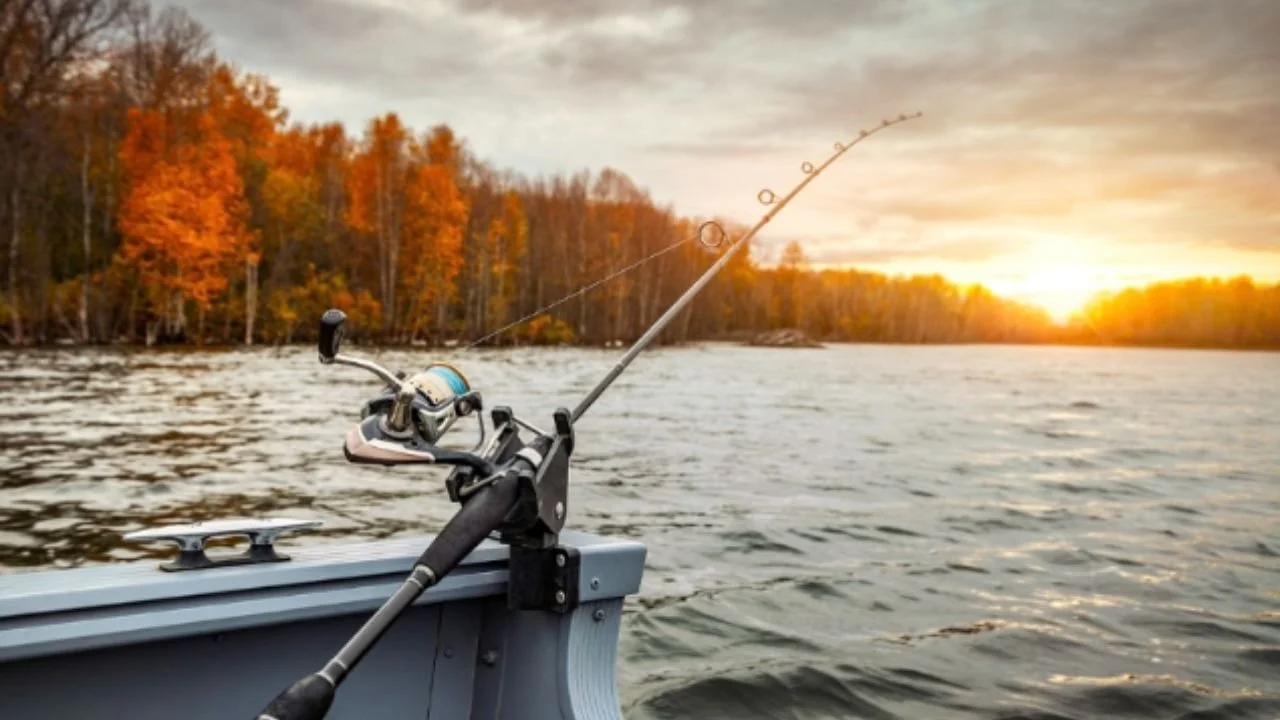
Fishing in the BWCA depends on weather, water temperature, season dates, and lake-specific regulations.
In Minnesota inland waters, the 2026 walleye and northern pike season opened May 9 and runs through February 28, 2027. Bass regulations changed in 2026, with a continuous bass season that includes catch-and-release and harvest periods depending on date and location.
Always check current Minnesota DNR regulations before fishing. Some lakes have special rules, and regulations can change.
A Minnesota fishing license is separate from a BWCA permit. If you enter the Boundary Waters, you need the correct BWCA permit. If you fish, you also need the correct Minnesota fishing license unless a specific exemption applies.
Late May and Early June: The Best Overall Fishing Period
Many anglers consider late May and early June the best BWCA fishing period.
Water temperatures remain cool after ice-out. Fish often stay in shallower water during this period.
Walleye actively feed after spawning. Northern pike patrol shallow bays and weed edges. Smallmouth bass become more aggressive as water warms.
This period can also bring fewer visitors than peak July. The tradeoff is cooler weather, cold water, and bugs that can build as June progresses.
July and August: Fish Move Into Deeper Water
Summer brings warmer water across most BWCA lakes.
Fish seek cooler temperatures below the surface. Early mornings often produce the best catches. Evening fishing also becomes productive. Midday fishing usually slows during bright sunshine.
Deep rock piles attract walleye throughout summer. Northern pike remain near deeper weeds and cooler water. Smallmouth bass gather around rocky points, islands, and underwater structure.
Cloudy days, wind, and evening windows can improve the bite.
September: Excellent Fall Fishing Returns
September brings cooler nights and crisp mornings. Surface water begins cooling across the Boundary Waters. Fish often return toward shallower areas before winter.
Feeding activity increases again during this period.
Smallmouth bass chase baitfish. Northern pike hunt near weed beds and rocky shorelines. Walleye can become easier to locate near structure and current areas.
Fall fishing also pairs well with quieter campsites and fewer bugs.
Fish Early and Late
Sunrise is one of the best fishing times. Calm water improves lure presentation, and fish actively feed before bright daylight arrives.
Evening creates another productive period. Cooling temperatures encourage fish to move closer to shore. Surface feeding often increases before sunset.
Midday can still produce catches, but anglers often need to focus on deeper water during brighter conditions.
Staying at Boundary Waters
The Boundary Waters offers different places to stay. Most visitors camp inside the wilderness. Others stay near Ely before or after their trip.
Both approaches can work well.
Camping Inside the Boundary Waters
Camping is the classic Boundary Waters experience.
Every overnight trip during the quota season requires a BWCA quota permit. From May 1 through September 30, quota permits are required for overnight paddle, motor, and hiking trips, as well as motorized day trips.
Non-motorized day-use permits are self-issued year-round. From October 1 through April 30, all BWCA visitors use self-issued permits.
Campsites are first-come, first-served. You cannot reserve a specific campsite inside the wilderness. Arriving earlier in the day improves your chances of finding an open site.
Always camp only at designated campsites. This protects the wilderness and reduces environmental impact. Leave No Trace principles help preserve the area. Pack out everything you bring. Never leave food or trash behind.
Staying Near the Boundary Waters

Not every visitor wants to camp every night.
Some families prefer comfortable lodging before entering the wilderness. Others want to relax after several days of paddling. Some want a cabin base for BWCA day trips without sleeping on the ground.
Staying near Ely offers that flexibility.
Timber Trail Lodge sits on Farm Lake, part of the White Iron Chain near Ely. The property provides easy access to the Ely area and BWCA-connected routes. Visitors can comfortably reach several Boundary Waters entry points from the lodge, and guests can plan day trips or longer adventures with local support.
This makes early departures much easier.
The lodge offers furnished lakeside cabins and kitchenettes. Many cabins include full kitchens, private bedrooms, and living areas that make family vacations more comfortable. Some accommodations offer direct lake access or shoreline views.
Guests can spend time fishing, paddling, or simply enjoying the lake before or after a wilderness trip. The calm setting offers a relaxing break between adventures.
For visitors who want the BWCA experience with more comfort, a Farm Lake cabin base can be the right balance.
Let the Weather Shape Your Best Adventure
The Boundary Waters offers something special during every part of the canoe season.
The best trip depends on your goals. Some visitors come for fishing. Others seek quiet paddling, swimming, fall color, or beautiful scenery.
Understanding BWCA weather helps you plan the right adventure.
Whether you choose wilderness camping or comfortable lakeside lodging, preparation makes every trip better. Plan around the season, watch the forecast, check current permits and alerts, and pack carefully.
A well-planned visit creates unforgettable memories across one of Minnesota’s greatest wilderness destinations.
FAQs
How long will the Boundary Waters be closed?
The Boundary Waters is not permanently closed. Closures are temporary and usually happen because of wildfires, storms, flooding, blowdown, or other safety concerns.
In July 2026, wildfire activity caused temporary BWCA closures and phased reopenings. That is a good reminder to check current Superior National Forest alerts before planning or entering the wilderness.
Closure timelines depend on conditions and official Forest Service updates. Always check current alerts before your trip.
Are there grizzly bears in the Boundary Waters?
No, grizzly bears do not live in the Boundary Waters. The area has black bears instead.
Visitors should still follow bear-safety rules. Store food properly, keep campsites clean, use approved food storage methods, and never leave food or trash unattended.
How many miles can you travel per day in the Boundary Waters?
Most paddlers travel about 6 to 8 miles per day in the Boundary Waters, especially when portages, weather, fishing, and campsite time are part of the plan.
Experienced groups may travel farther. Beginners often prefer shorter days so they can enjoy fishing, scenery, swimming, and camp life without rushing.
Distance depends on wind, route difficulty, portages, group experience, and weather.
