
Best Fishing Lakes in Minnesota: A Local Guide to Northern Waters
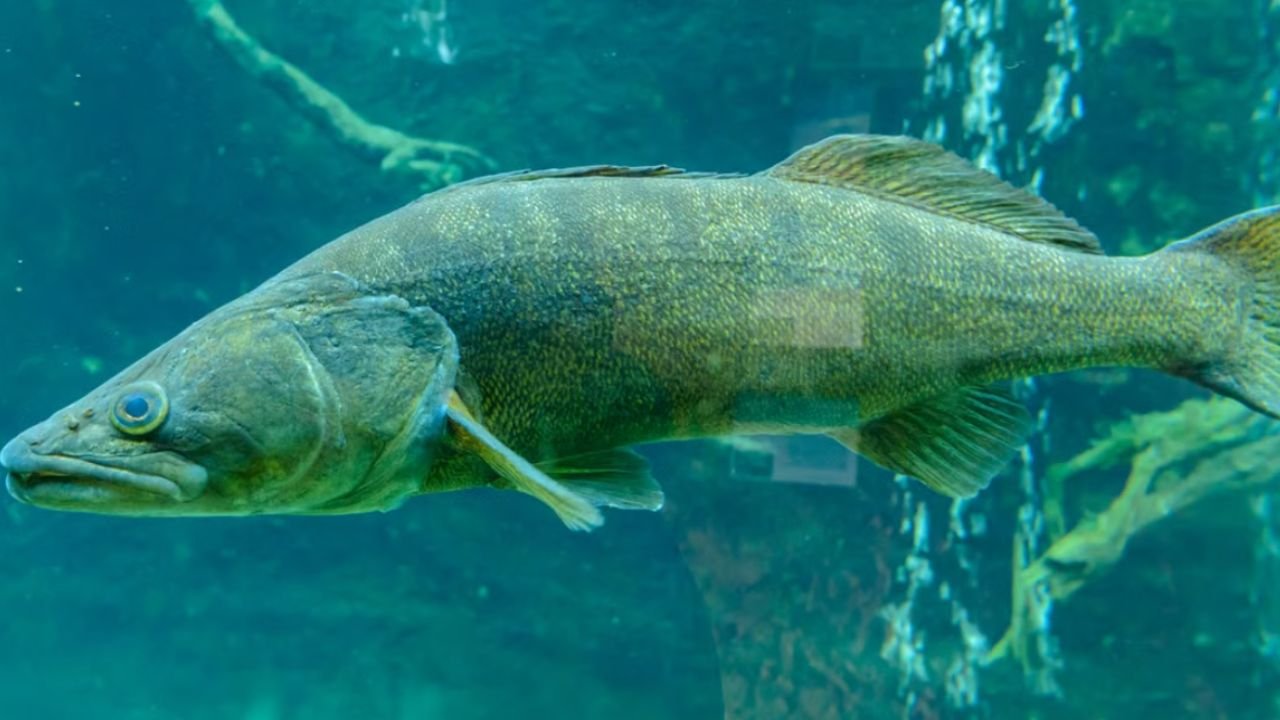
Minnesota earns its reputation as a Northland fishing paradise. The state holds thousands of lakes for anglers, from big border waters to quiet canoe-country lakes near Ely. These waters offer diverse species, changing conditions, and unique challenges.
Success here requires local knowledge, careful preparation, and a willingness to match the lake you choose with the kind of trip you want.
Some anglers want trophy walleye. Others want big northern pike, smallmouth bass, lake trout, or simple family fishing. Some want easy boat access. Others want the quiet feeling of paddling into the Boundary Waters.
This guide explores some of the best fishing lakes in Minnesota for your next angling trip.
Lake of the Woods: The Northern Giant
Lake of the Woods is one of Minnesota’s largest and most famous border-water fisheries. It spans nearly one million acres across northern borders and offers a true big-water fishing experience.
You will find strong walleye and sauger populations here. These fish are a major reason anglers return year after year. Trophy potential, consistent action, and a huge variety of structure make this lake a bucket-list destination for many Minnesota anglers.
During summer, anglers often target deep mud flats and mid-lake structures. The mayfly hatch can draw fish toward these muddy feeding grounds. Spinner rigs with crawlers are a common way to cover water. Vertical jigging with minnows can also produce consistent results when fish are grouped up.
The Northwest Angle offers a unique, remote experience with thousands of islands. This rugged region holds excellent smallmouth bass and northern pike opportunities too.
Because this is a major border-water fishery, always check the current regulations before fishing. Also remember to clean, drain, and dry your boat after fishing these waters.
Leech Lake: Structure-Rich Waters
Leech Lake is a premier fishing destination located near Walker. The shoreline is complex and offers immense variety for boat anglers.
Early-season fishing is often best in shallow, rapidly warming bays. These areas can concentrate active walleyes during the post-spawn period.
You should focus on rocky reefs, points, and deep weed lines. Jigging with live minnows is a classic early-season tactic. As summer warms the water, many anglers move toward mid-lake humps and offshore structure.
Slip bobber fishing can work exceptionally well at dusk near productive points and reef edges. This presentation keeps your bait at the precise depth of feeding fish without moving too fast.
Northern pike are also aggressive near shallow, weedy vegetation. Smallmouth bass and muskie add even more variety to the lake.
Pack layers because northern Minnesota weather can shift quickly in May.
Mille Lacs Lake: The Iconic Central Gem
Mille Lacs Lake is famous for its world-class fishing. It sits in central Minnesota and remains one of the state’s most talked-about walleye lakes.
The lake is known for complex, shifting seasonal patterns. It is worth studying those patterns before you go. Wind, temperature, forage, and light all matter here.
The Minnesota DNR manages this lake with specific, frequently updated regulations. For the 2026 open-water season, Mille Lacs allows a three-walleye limit. Harvested walleyes must be 17 inches or greater, and only one may be over 20 inches.
A night fishing closure is also in effect through August 31, 2026, prohibiting fishing for all species between 10 p.m. and 6 a.m.
Always check the latest DNR guidelines before fishing Mille Lacs because regulations can change during the season.
Rainy Lake: Rugged and Remote
Rainy Lake offers a deep, rugged fishing experience near International Falls. It is part of the scenic Canadian Shield landscape, with rocky shorelines, islands, reefs, and clear northern water.
The water is deep and warms slowly throughout the season. Successful anglers often target mid-lake reefs during the summer. Early-season fishing is often best in shallow, protected bays.
Black Bay is a reliable spot during the spring transition. Recent assessments have pointed to good numbers of harvestable walleyes, including many eater-size fish.
Protected slot limits apply on Rainy Lake, so anglers should check current regulations before keeping fish. Navigation also requires caution because of the many rocky underwater hazards.
This is a lake for anglers who like wild scenery, careful boat handling, and a true northern-border feel.
Basswood Lake: The BWCAW Classic Near Ely
Basswood Lake belongs on any serious list of the best fishing lakes in Minnesota, especially for anglers drawn to Ely and the Boundary Waters.
This is not a casual roadside lake. Basswood sits inside the BWCAW landscape and stretches across a rugged border-water setting. It offers the kind of fishing trip people imagine when they picture northern Minnesota: rocky shorelines, island structure, deep water, quiet bays, and a real wilderness feel.
Basswood is known for walleye, northern pike, smallmouth bass, and lake trout opportunities. It also has trophy credibility. Basswood has produced major Minnesota record-class fish, including catch-and-release northern pike and smallmouth bass records.
The lake fishes big, so planning matters. Anglers often focus on reefs, current areas, island points, deep breaks, and protected bays depending on season and conditions. In spring and early summer, shallow structure and moving water can be productive. Later in summer, deeper reefs and main-lake structure become more important.
Basswood also requires more preparation than many lakes on this list. Because it is part of the BWCAW, permits, motor rules, border-water rules, and special fishing regulations may apply.
Some portions allow motors with the correct permit and horsepower limit, while other areas are paddle-only. Always confirm your route, permit type, motor rules, and current regulations before going.
For Timber Trail Lodge guests, Basswood is worth mentioning because it represents the larger Ely fishing experience. It is not the simplest day on the water, but it is one of the most iconic.
Lake Winnibigoshish: The Early-Season Star
Lake Winnibigoshish is widely known as “Lake Winnie” to locals. It sits near Deer River and is one of Minnesota’s classic walleye lakes.
The lake is relatively shallow compared with other giants. Fertile water helps kick the food chain into high gear early in the season.
By the opener, walleyes are often in a post-spawn feeding pattern. Target shallow flats and first breaks in 4 to 9 feet of water when conditions are right.
The famous “Winnie Chop” can help create a better walleye bite by breaking up light and pushing baitfish toward feeding areas. Wind can be a factor, so boat control matters.
Use a 1/8-ounce or 1/4-ounce jig tipped with live bait. Gold jigs often mimic the natural local forage well. Little Cut Foot and Cut Foot Sioux offer sheltered, protected options when the main lake gets rough.
Lake Winnie is a strong choice for anglers who want classic Minnesota walleye fishing with early-season potential.
Otter Tail Lake: Calm and Productive
Otter Tail Lake is the largest body of water in Otter Tail County. It spans over 13,000 acres of diverse, productive water.
Much of the lake is relatively shallow, creating large flats and breaklines for walleye anglers. Water clarity and underwater structure give fish plenty of habitat and give anglers plenty to read.
You may encounter fewer crowds here than on some larger destination lakes. That atmosphere can make for a peaceful day on the water.
Otter Tail is also a fantastic location to refine trolling skills. Underwater structures include sunken islands, rocky bars, flats, and sharp drop-offs. Focus your efforts on these features to find roaming walleye schools.
For anglers who like structure fishing without the scale of Lake of the Woods or Mille Lacs, Otter Tail is a strong option.
Honorable Mentions for Your Gear Box
Upper Red Lake
Upper Red Lake is a reliable walleye producer. For the 2026 open-water season, the Minnesota DNR allows a five-walleye possession limit, with only one walleye longer than 17 inches.
Cass Lake
Cass Lake is known for clear water, good structure, and quality fishing for walleye, perch, northern pike, and muskie.
Vermilion Lake
Lake Vermilion offers beautiful rocky structure, strong walleye fishing, and a classic northern Minnesota lake experience.
Big Stone Lake
Big Stone Lake is a productive western Minnesota border water and can be especially appealing for early-season shore anglers.
Understanding Minnesota Fish Species
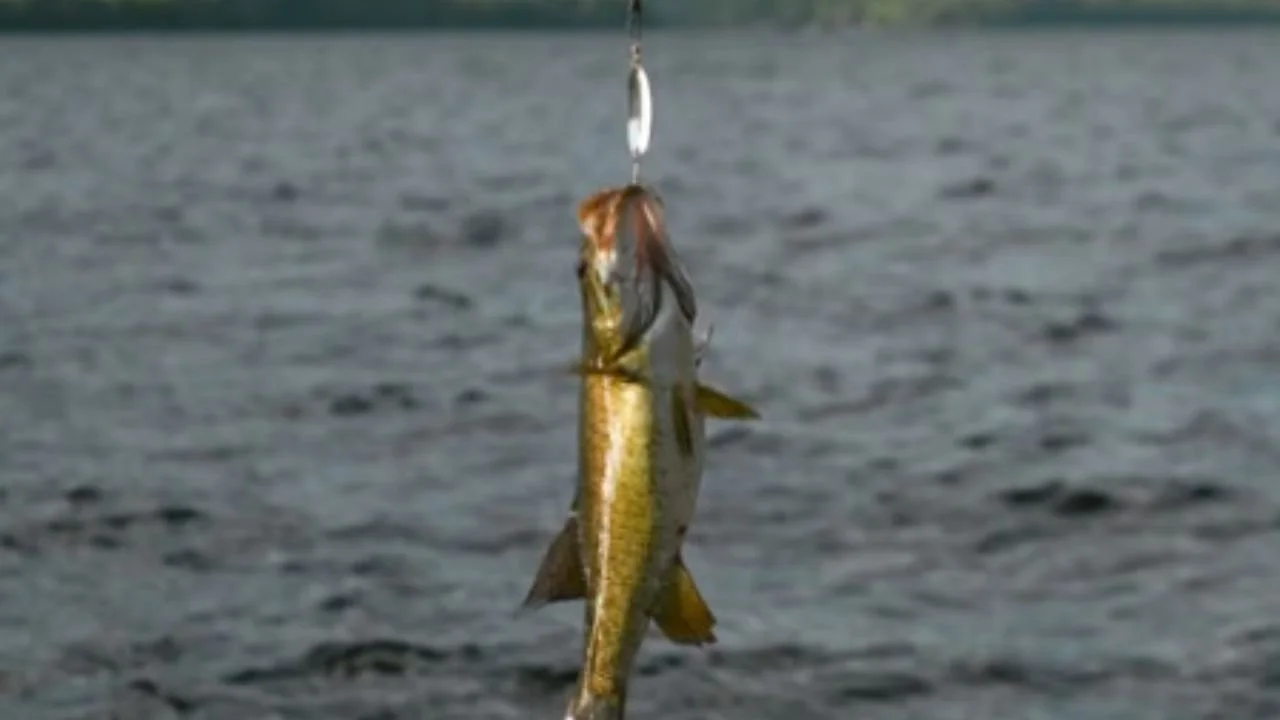
Minnesota’s diverse waters support a massive variety of game fish. Identifying your target species is the first step toward a successful trip.
Walleye
As the state fish, walleye are Minnesota’s most prized fishing target. They thrive in low-light conditions and often hold near rocky structures, drop-offs, current areas, or deep weed lines.
Use jigs tipped with live minnows, leeches, or nightcrawlers depending on season and water temperature.
Northern Pike
Northern pike are aggressive predators found in many Minnesota lakes. They often lurk in thick cabbage patches, along weed edges, near bulrushes, or close to drop-offs.
Use jerkbaits, spoons, spinnerbaits, or large minnows that mimic perch and other forage. Always use a leader, as their teeth are razor-sharp.
Bass
Largemouth and smallmouth bass are abundant across the state. As of 2026, Minnesota has a continuous bass season. Portions of that season are catch-and-release only, while other portions allow harvest depending on date and location.
Smallmouth bass love rocky transitions, reefs, and current areas. Largemouth bass often relate more to weeds, docks, and softer cover.
Panfish
Bluegill, pumpkinseed, perch, and crappie are perfect for family outings. They congregate around docks, weed beds, brush, and soft-bottom transitions.
Use light spinning gear and small jigs with live bait for steady action.
Key Techniques for Northern Waters
Success in Minnesota’s fisheries requires adapting to conditions and using the right gear.
Follow the Wind
Wind is a critical factor. It pushes baitfish toward windward shorelines, points, and reefs. Walleyes and other predators often feed in these high-energy zones.
Do not automatically hide from the wind. If conditions are safe, the windblown side may be where the bite is happening.
Timing Your Trip
Peak activity for many species occurs during dawn and dusk. These low-light periods trigger predatory instincts and can bring fish shallower.
Cloudy days, light rain, and chop can extend the bite.
Mastering Presentations
Live bait: Minnows, leeches, and nightcrawlers remain trusted choices.
Trolling: Keep your boat speed controlled to maintain a natural lure action.
Jigging: Stay close to bottom and watch for subtle bites.
Slip bobbers: Use them to hold bait at a precise depth near structure.
Technology: Modern electronics and GPS can help locate depth changes, humps, reefs, and submerged structure where fish hold.
Rigging
Minnesota has specific rules for hooks, artificial lures, and multi-hook rigs.
Before using umbrella rigs, multi-hook setups, or specialty presentations, check the current DNR regulations. For most visitors, simple jigs, crankbaits, spinners, and live-bait rigs are easier and safer to keep legal.
Respecting the Environment
Protecting shared water resources is both a legal and ethical responsibility. Your actions directly affect the future of Minnesota fishing.
Invasive Species Prevention
Minnesota has strict procedures for watercraft and equipment to help stop the spread of aquatic invasive species.
Clean: Remove all aquatic plants, zebra mussels, and prohibited invasive species from your boat, trailer, and equipment before leaving the access.
Drain: Drain all water from boats, motors, livewells, baitwells, and bilges. Leave drain plugs out during transport.
Dry: Let equipment dry before moving to a new lake whenever possible. Docks, lifts, and similar equipment have stricter dry-time requirements before being placed in another water body, so always check current AIS rules before moving large equipment.
Bait: Dispose of unused bait in the trash. Never release bait into any lake, river, or wetland.
Shared Water Stewardship
Boater Courtesy: Give shorelines, docks, swimmers, paddlers, and other anglers plenty of room.
Wake Management: Be mindful of your wake, which can erode shorelines and disturb fish habitat. Avoid making repetitive passes through the same area.
General Ethics: Dispose of trash properly at landings. Respect fellow anglers so everyone can enjoy Minnesota’s lakes.
Final Thoughts
The Northland offers an endless supply of water. Each lake has its own personality, seasonal patterns, and fishing culture.
The best fishing lakes in Minnesota are not all the same. Lake of the Woods feels huge and remote. Leech Lake is complex and structure-rich. Mille Lacs is iconic and carefully managed. Rainy Lake is rugged. Basswood brings the BWCAW into the conversation. Lake Winnie shines early. Otter Tail offers productive structure and a calmer pace.
Focus on understanding the specific lake, match your gear to the target species, and always check current regulations before fishing.
When planning your next fishing adventure near Ely, make Timber Trail Lodge your basecamp on Farm Lake. From here, guests can explore the White Iron Chain, learn local patterns, and use the lodge as a comfortable starting point for bigger northern Minnesota fishing dreams, including BWCAW-connected waters like Basswood Lake.
FAQs
What lake in Minnesota has the best walleye fishing?
Lake of the Woods is widely considered one of Minnesota’s best walleye destinations. Its massive size and healthy population of fish provide consistent action for anglers. Other top-tier lakes include Leech Lake, Mille Lacs Lake, Lake Winnibigoshish, Upper Red Lake, and many lakes in the Ely area.
What is the best fish to fish for in Minnesota?
The walleye is the most popular fish in Minnesota. It is the official state fish and a favorite for its great taste. If you want a thrill, try catching a muskie, often called the “fish of ten thousand casts.” Northern pike, bass, and panfish are also excellent and abundant choices for anglers of all skill levels.
Is Minnesota good for fishing?
Yes. Minnesota is consistently considered one of the best fishing states in the country. With thousands of lakes, rivers, and streams, anglers can find endless variety. Whether you are a beginner looking for a simple family outing or an experienced angler seeking a trophy catch, Minnesota offers outstanding fishing opportunities.
Is Basswood Lake good for fishing?
Yes. Basswood Lake is one of the classic Ely-area fishing destinations and is known for walleye, northern pike, smallmouth bass, and lake trout opportunities. Because Basswood is part of the BWCAW landscape, anglers should check current fishing regulations, BWCA permit rules, motor limits, and route details before going.
