
7 Best BWCA Entry Points 2026 (Easy + Stress-Free Routes)
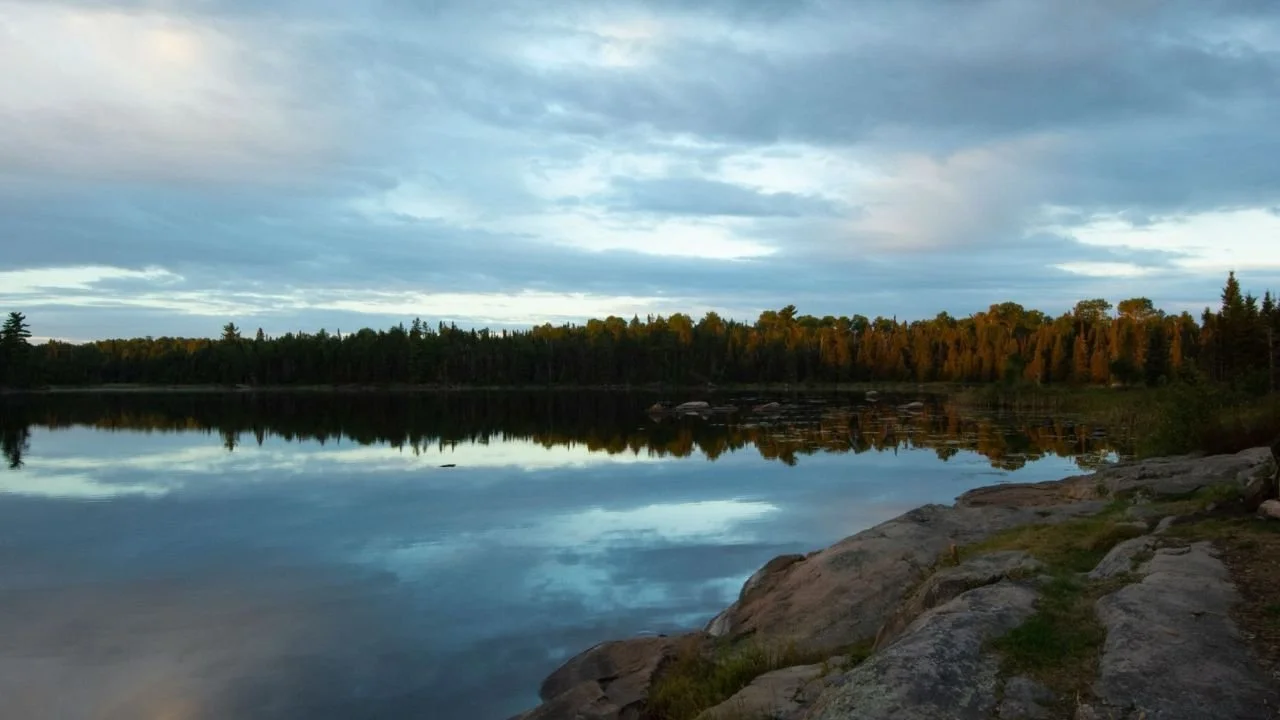
The easiest BWCA entry points are the ones that offer simple access and low-risk routes. They are perfect for anyone who wants to enjoy the wilderness without stress.
Planning a Boundary Waters visit can feel like staring at a map full of mystery. Dozens of entry points. Permits. Portages. Many wonder if this is going to be harder than it’s worth.
The truth is, it doesn’t have to be. Some routes are as easy as a calm paddle on a quiet lake. They give you enough adventure to feel special.
This guide focuses on seven entry points that remove the stress and keep the experience enjoyable.
Quick Comparison of the 7 Best BWCA Entry Points
Entry Point: Moose Lake (25)
Difficulty: Easy
Motor Allowed: Yes (partial lake)
Best For: Families, first-timers
Permit Quota*: High
Drive from Ely: ~25 minutes
Entry Point: Farm Lake (31)
Difficulty: Easy
Motor Allowed: Yes (outside BWCA boundary)
Best For: Day trips, fishing
Permit Quota*: Moderate
Drive from Ely: ~20 minutes
Entry Point: Lake One (30)
Difficulty: Easy to Moderate
Motor Allowed: No
Best For: First-timers, exploration
Permit Quota*: High
Drive from Ely: ~30 minutes
Entry Point: Snowbank Lake (27)
Difficulty: Moderate
Motor Allowed: Yes (partial lake)
Best For: Scenic paddling, variety
Permit Quota*: Moderate
Drive from Ely: ~20 minutes
Entry Point: Fall Lake (24)
Difficulty: Easy
Motor Allowed: Yes (partial lake)
Best For: Families, relaxed trips
Permit Quota*: Moderate
Drive from Ely: ~15 minutes
Entry Point: South Hegman Lake (77)
Difficulty: Easy
Motor Allowed: No
Best For: Short trips, pictographs
Permit Quota*: Low
Drive from Ely: ~20 minutes
Entry Point: Kawishiwi Lake (37)
Difficulty: Easy to Moderate
Motor Allowed: No
Best For: Solitude, quiet paddling
Permit Quota*: Moderate
Drive from Ely: ~35 minutes
*Permit quota refers to how many groups can enter per day. “High” means more permits available. “Low” means spots fill quickly and may require early booking.
How BWCA Permits Work
First, every overnight trip and most day trips into the Boundary Waters require a permit. These are issued through Recreation.gov. It is the official booking site. Timber Trails is able to help guide you during this process.
When Do Permits Open?
Permits for the main season become available in late January each year. The exact date can vary slightly. But it’s usually announced ahead of time.
The quota season runs from May 1 through September 30. During this time, each entry point has a limited number of permits per day. Once those are gone, they’re gone.
That’s why some people plan months ahead. But not every entry point fills up at the same speed.
What Does a Permit Cost?
Permit fees are simple:
Reservation fee: about $6 (non-refundable)
Adult user fee: about $16 per person per trip
Youth (under 18): about $8 per person
Children under a certain age may not be charged. But it’s always best to check current details when booking.
Payment happens online when reserving. Then the permit must be picked up before entering the wilderness.
How to Get a BWCA Permit (Step-by-Step)
If this is your first time, follow these steps:
Go to Recreation.gov
Search for “Boundary Waters Canoe Area Wilderness”
Choose your entry point and date
Select group size and trip type (day use or overnight)
Reserve and pay online
After booking, the permit needs to be issued by a cooperator or ranger station before your trip begins.
Which Entry Points Are Easiest to Book?
Some entry points fill up fast, especially in peak summer. Others stay available longer and give more flexibility.
From the list in this guide, these are generally easier to book:
Moose Lake (25) → Higher quota, more daily permits
Lake One (30) → Popular but still has a larger quota
Kawishiwi Lake (37) → Less crowded, good availability
Farm Lake (31) → Often easier for day trips
Contrarily, South Hegman Lake (77) can fill quickly. This is because of its small quota and unique appeal. It’s a short trip, but demand is high.
1. Farm Lake (Entry Point 31)
Farm Lake sits right on the edge of the wilderness. It makes it one of the most convenient access points around Ely. It’s perfect for day trips and low-commitment adventures.
This route works well if you:
Want quick access without long travel
Prefer a shorter paddle
Plan to return to a comfortable cabin the same day
The transition into the Boundary Waters here feels natural. One moment you’re near familiar surroundings, the next you’re surrounded by quiet forest and open water.
There is no portage needed to begin. Short paddles of 1 to 3 miles can take you into quiet sections near the BWCA boundary.
Fishing is also a highlight. Many visitors spend the morning casting lines. Then, they head back in time for a late lunch. The day feels full without being exhausting.
2. Moose Lake (Entry Point 25)
Moose Lake is wide, open, and easy to follow. This holds true even if it’s your first time holding a paddle. You launch, and you’re already in it.
One big reason people choose this route is the permit availability. Moose Lake has a daily quota of 27 permits. This is the highest of any entry point in the BWCA. That makes it much easier to plan a trip.
Motor use is another factor that makes this entry point stand out. Motors are allowed on Moose Lake and Newfound Lake. This reduces the physical effort needed to get deeper into the wilderness. Some visitors use a tow service to cover the larger water early on. Then, they switch to paddling once things quiet down. It’s a simple way to ease into the experience without feeling overwhelmed.
This entry point works well for:
First-time paddlers
Families with kids
Multi-generational groups
Visitors who want a low-stress introduction
The water here often feels calm, especially in the morning. On still days, the surface reflects the sky like a mirror. Loons call across the lake. The shoreline moves past at a relaxed pace. It doesn’t feel rushed, and that’s the point.
There is no portage required at the start. It removes one of the biggest concerns for beginners. From the landing, you can paddle straight into Moose Lake. Then, continue for miles into connected waters like Newfound and Sucker Lake. The route opens up quickly. You can decide how far to go based on your comfort level.
For those who want a bit more adventure, Moose Lake also connects to longer routes. One well-known option is the Moose–Basswood–Quetico loop. This gives experienced paddlers a chance to extend the trip deeper into the wilderness. But here’s the key thing. You don’t have to go that far to enjoy it. Even a short paddle offers a full experience.
Another advantage is location. Moose Lake sits just outside Ely. It is an easy drive from town. For guests staying at Timber Trail Lodge, it’s a straightforward trip to the entry point. That convenience feels great after a long drive.
There’s also flexibility built into this route. You can head out for a few hours and explore a quiet bay. Then return without pressure. Or you can push a little farther and make a full day of it. Either way, the experience adjusts to your pace.
3. Lake One (Entry Point 30)
Lake One opens into the well-known Lake One–Lake Two–Lake Three–Lake Four chain. This is one of the most straightforward routes in the Boundary Waters. The lakes connect in a natural line. So, it’s hard to get lost.
People like this route because it feels predictable in a good way. The water flows gently from one section to the next. There’s no sudden challenge waiting around the corner. Instead, you get a steady rhythm that builds confidence as you go.
Why people keep coming back:
Minimal and manageable portages
Clear, easy-to-follow lake connections
Plenty of campsites spread across multiple lakes
You can spend a full day here without repeating the same view. One minute you’re paddling through a narrow channel. Then it opens into a wider lake with tall pines along the shore. Every stretch feels a little different, but never difficult.
There is no portage needed to enter Lake One. This makes the start simple. From there, moving forward is still easy. The portage from Lake One to Lake Two is about 40 rods. It’s flat and well-traveled. Then, Lake Two to Lake Three is around 25 rods. It is followed by a very short 10-rod portage into Lake Four. None of these feel intimidating, even for first-timers.
Campsites are another strong point here. Lake One alone has many designated campsites. More are spread across Lake Two and Lake Three. That means you usually have options. It takes away the stress of wondering where you’ll stop.
Fishing is solid too. Walleye and northern pike are commonly found throughout this chain. Early morning and evening tend to be the best times. Even a short outing can turn into a good fishing day.
4. Snowbank Lake (Entry Point 27)
Snowbank Lake offers a slightly bigger adventure. The lake is large, but entry is straightforward. Nearby routes provide options for both short and longer outings.
This entry point suits:
Visitors ready for a step up from beginner routes
Day trippers looking for scenic variety
Paddlers who enjoy open water views
Wind can pick up here, so early starts help. But on a calm day, the experience is stunning. Wide horizons. Deep blue water. The kind of scenery that sticks with you long after the trip ends.
There is no portage at the entry. But reaching nearby lakes like Disappointment Lake requires a portage of about 140 rods.
5. Fall Lake (Entry Point 24)
Fall Lake is another easy-access option with a relaxed pace. It’s close to Ely. Motor use is permitted in certain areas.This lowers the barrier for many visitors.
This is a strong pick for:
Older travelers
Multi-generational families
Anyone who prefers a slower, steadier outing
The water here feels calm and welcoming. You can enjoy a short paddle, or maybe a picnic on a rocky point.
There is no portage required at the start. You can paddle several miles through connected water before encountering any portages.
6. South Hegman Lake (Entry Point 77)
South Hegman Lake is best known for its ancient pictographs. These markings were created by the Ojibwe people, likely between 200 and 400 years old. They carry deep cultural meaning. Pictographs tell stories, often tied to spirit animals and life events.
The route itself is short. You don’t need a full day or a big plan. It fits nicely into a morning or afternoon without feeling rushed.
What makes it special:
Short and simple route
Strong cultural and historical value
Easy to follow from start to finish
Getting started is straightforward. There is one short portage of about 20 rods from the parking area to the lake. After that, the paddle is calm and direct. It takes about 30 to 45 minutes of easy paddling to reach the pictographs.
As you get closer, the shoreline narrows and the rock face comes into view. Then you see them. Faded red figures painted high on the stone. At that moment, the trip feels different. It’s quiet in a deeper way. You’re not just passing through nature. You’re stepping into a place that has meaning.
This is also one of the most family-friendly cultural sites in the Boundary Waters. The short distance keeps things manageable, even for kids. The pictographs give everyone something to look for and talk about along the way. It turns the paddle into a shared experience.
7. Kawishiwi Lake (Entry Point 37)
Kawishiwi Lake doesn’t draw the same crowds as some other entry points. There’s space to breathe. No rush. Just water, trees, and a slower pace.
This entry point also has a lower daily permit quota. It means fewer groups entering each day. That makes it easier to book in many cases.
Best for:
Visitors who want solitude
Beginners who prefer less traffic
Relaxed day trips with no pressure
The paddling here feels different. Instead of wide open lakes, you move through a river-like system. It winds through forest and marsh. The water narrows and curves, then opens up again. It creates a steady rhythm that’s easy to follow.
There is no portage required to begin. From there, you can paddle for miles along the Kawishiwi River system. If you keep going deeper, you’ll come across a few short portages. Most are under 50 rods. They’re manageable for most paddlers.
One of the more rewarding routes from here leads toward Fishdance Lake. Here you can find another set of pictographs along the rock cliffs. It’s a longer paddle. So, it’s not always a quick day trip. But for those who take the time, it adds a strong sense of purpose to the journey.
Fishing is another reason people return to this area. Kawishiwi Lake and the connected waters are known for walleye. It’s not uncommon to spend a quiet morning casting and come away with a solid catch.
How to Choose the Right Entry Point for Your Trip
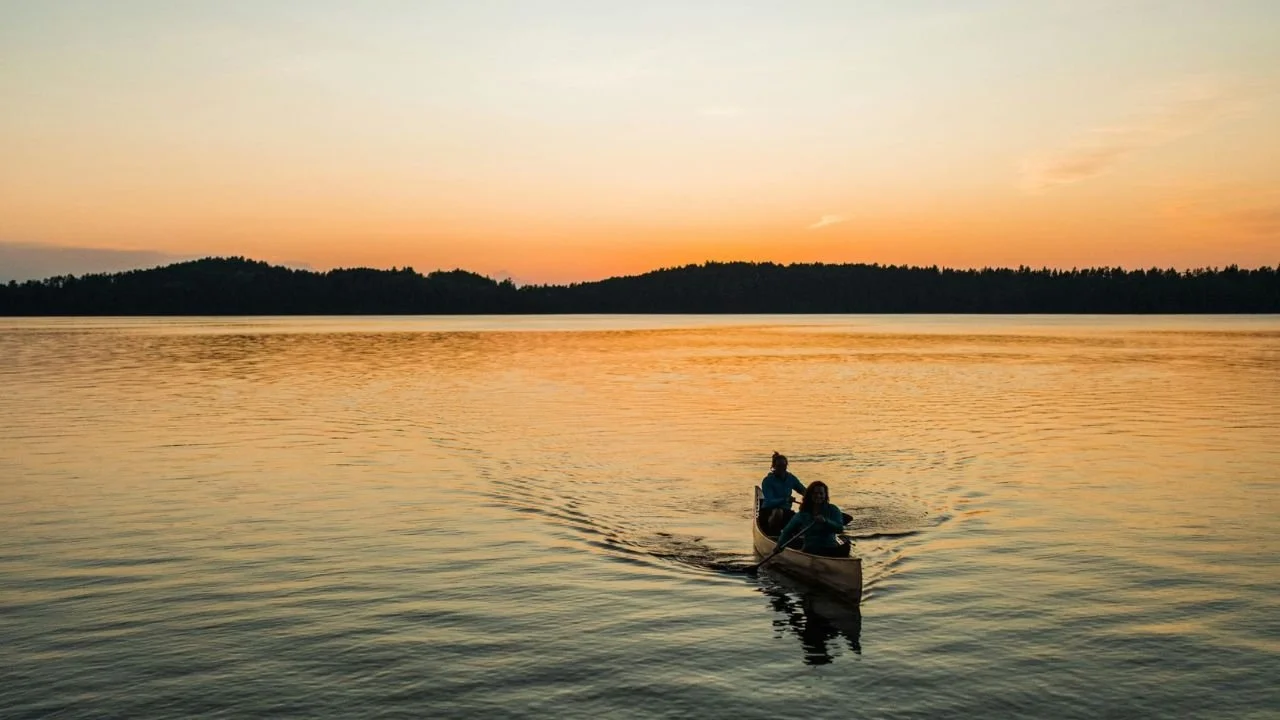
With so many options, it’s easy to feel stuck. The good news is, you don’t need the “perfect” choice. You just need the one that fits your day and needs.
Start by thinking about what kind of trip you actually want. If this is your first time in the Boundary Waters, keep it simple. Go with Moose Lake or Farm Lake. Both are easy to access. There’s no complicated start. You can paddle at your own pace and turn back whenever you want.
Now, if you’re coming with kids under 10, the goal shifts a bit. You want something short and not too tiring. South Hegman Lake works really well here. The paddle is short. The pictographs give kids something to look forward to. Farm Lake is another good option. It offers a relaxed day with fishing and breaks along the way.
If fishing is the main reason for the trip, Lake One is a good choice. It has walleye and northern pike. The chain of lakes gives you room to move and try different spots. Fall Lake also works well. It gives you easy access and productive water without a long paddle.
Some people, though, just want quiet. Just space to paddle and think. If that sounds right, then Kawishiwi Lake is the better fit. It’s less busy. River-like paddling slows things down in a good way.
If portaging feels like too much, choose routes where you can skip it or keep it very short. Moose Lake, Farm Lake, and Fall Lake all make that easier.
Making the Most of the Experience
The Boundary Waters isn’t about rushing from point A to point B. It’s about slowing down. Watching the light change on the water. Listening to the quiet.
Some of the best moments happen when nothing is planned. A fish biting just as you’re about to head back. A sudden stillness on the lake. Many of us don’t experience this kind of silence in our daily lives.
That’s what makes these easy routes so powerful. They give you access to all of this without the stress.
The Boundary Waters has a reputation for rugged adventure. But what if the best way to experience it isn’t by pushing harder, but by choosing a path that lets you enjoy it fully?
FAQs
Do I need a permit for a day trip to BWCA?
Yes, most day trips into the Boundary Waters require a permit. During the quota season from May 1 to September 30, even day-use motor permits must be reserved in advance. Non-motor day trips often use self-issued permits outside peak areas. It’s always best to check your specific entry point before heading out.
What is the easiest BWCA entry point for beginners?
Moose Lake is often the easiest place to start. It has no portage at entry and offers wide, open water that is easy to navigate. Farm Lake is another good option, especially for short day trips. Both routes feel simple and forgiving, which helps first-time visitors feel more comfortable on the water.
Can you use a motorboat in the BWCA?
Motorboats are allowed in certain parts of the Boundary Waters, but only on specific lakes. Moose Lake, Newfound Lake, and Fall Lake allow limited motor use. Most interior lakes are paddle-only. There are also restrictions on motor size and areas where motors are not allowed at all, so it’s important to check rules in advance.
How far in advance should I book a BWCA permit?
It’s best to book your permit as early as possible. Reservations usually open in late January for the upcoming season. Popular entry points can fill quickly, especially for summer dates. If plans are flexible, some permits may still be available later, but early booking gives you the most options and less stress.
Is the BWCA good for families with young children?
Yes, the Boundary Waters can be great for families if you choose the right entry point. Short routes like South Hegman Lake or Farm Lake work well because they are easy and not too long. Kids stay engaged, and the experience feels manageable. With a simple plan, it can be a fun and memorable outdoor trip.
