
How to Experience the Boundary Waters Without Camping (6 Easier Options)
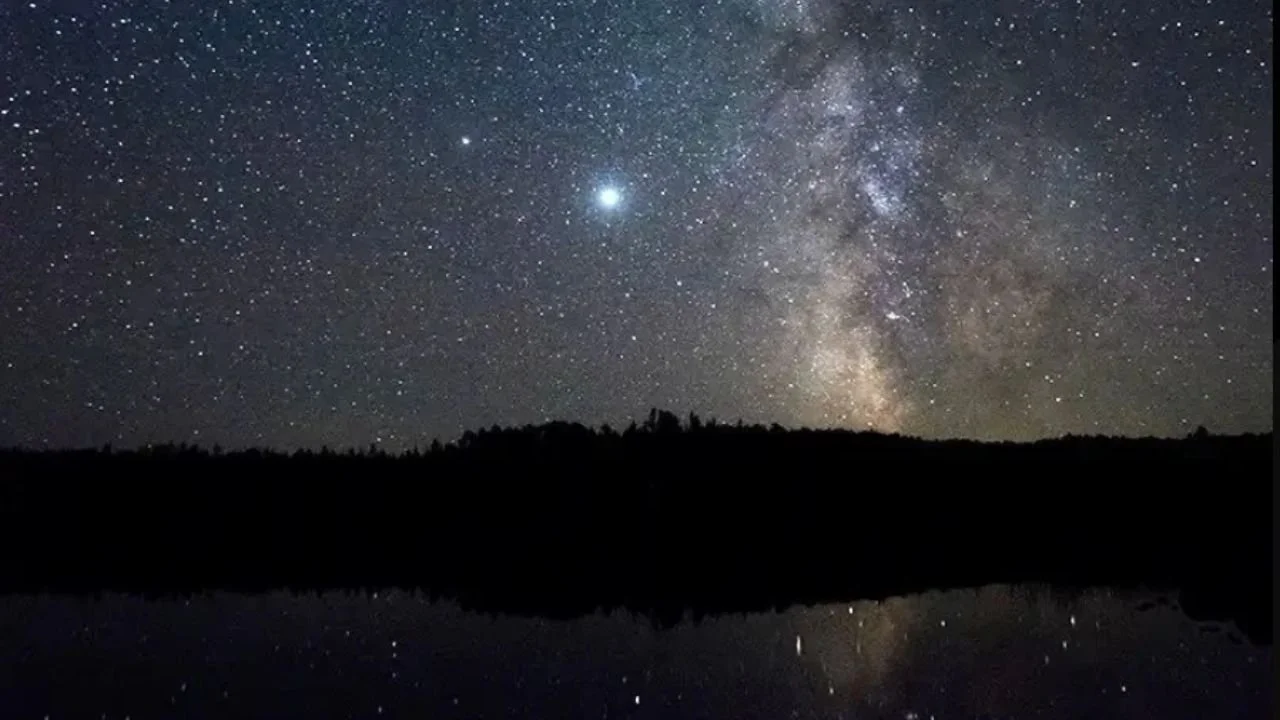
You don’t have to commit to full boundary waters canoe area camping to experience the wilderness. There are easier ways to enjoy it without giving up comfort and time.
For many visitors, the idea of camping in the Boundary Waters sounds exciting at first. Then reality sets in. Permits, packing, portaging, bugs, weather. It starts to feel like work instead of a break. That’s where smarter options come in.
You can still paddle, fish, explore, and see the same wild beauty without sleeping on the ground. Once people try these easier routes, they rarely go back to the hard way.
Why Look for Alternatives to Boundary Waters Canoe Area Camping?
Not everyone wants to haul gear over a muddy trail or wake up in a damp tent. That’s not a flaw. It just means your priorities are different.
Some want a quiet lake and a warm bed. Others want to bring kids without worrying about long portages. Many used to camp years ago but now prefer something less demanding while still being in nature.
Some common reasons include:
Limited time for planning permits and gear
Traveling with kids or older family members
Wanting comfort after a long day outside
Concern about weather changing quickly
First-time visitors unsure where to start
Wanting it easier doesn’t mean wanting less. It just means choosing a better way to experience the same place.
1. Stay at a Lakeside Cabin Near the Boundary Waters

This is the easiest shift you can make. It’s possible to skip the hard parts of camping in the boundary waters canoe area. Yet, still keep the experience.
Timber Trail Lodge sits on the White Iron Chain of Lakes, just outside Ely. It connects you to Farm Lake, Garden Lake, White Iron Lake, and South Farm Lake, with South Farm Lake sitting inside the BWCA. So yes, you can reach Boundary Waters water while staying in a real cabin.
A typical day here feels simple in the best way.
You wake up slowly. Coffee comes first. Step outside, and the lake is already there. No loading gear. No long drive. Just walk down to your private dock.
From there, you can:
Fish right off the dock in the early morning
Hop in a rented boat and cruise across the chain
Head toward South Farm Lake for a light BWCA experience
Come back anytime without feeling rushed
That flexibility changes everything. You can explore as much or as little as you want.
The cabins make it even easier to settle in. They have:
Full kitchens for easy meals
Comfortable beds and living space
Private docks for each cabin
Boat rentals available on site, so no extra logistics
When the weather shifts, it doesn’t ruin the day. You have a place to relax, cook, and reset.
If you want to see current availability or details, check the cabin options here.
Summer weeks are the most popular and book early. Shoulder seasons can be quieter and more flexible.
This setup works because it removes friction. You still get the lakes, the trees, the quiet mornings. But at the end of the day, you’re not crawling into a tent. You’re stepping into a space that feels like yours.
2. Take a BWCA Day Trip Instead of Overnight Camping
Day trips are one of the best ways to experience the Boundary Waters without the pressure. You paddle in. Explore for a few hours. Then head back before evening.
Day trips work well because:
No overnight permit needed for planning far ahead
Less gear to carry
Easier to manage for beginners
Great for testing the experience before committing
Many visitors are surprised by how much they see in just a few hours. Quiet bays. Wildlife along the shoreline. Water that feels untouched.
And at the end of the day, a comfortable cabin is waiting.
What You Need to Know About BWCA Day-Use Permits
Even if you are only doing a short day trip into the Boundary Waters Canoe Area Wilderness, you still need a permit.
For day use, you don’t need to reserve anything in advance. Instead, you use a self-issued permit. It is a simple paper form. You can fill it out yourself before you enter the Boundary Waters.
You will usually find these permits at entry point kiosks or permit stations near trailheads and lake access points. Just stop there. Fill out the form with basic details like your name, group size, and entry point. Keep a copy with you while you are inside the BWCA.
It usually takes only a few minutes. There is no fee for day-use self-issued permits.
Now here is the important timing detail. The quota season runs from May 1 to September 30 each year. During this time, overnight trips are limited and require advance permits. That system helps manage traffic in the wilderness.
Day-use self-issued permits, however, are still available during this time. They are not part of the quota system. So, you do not need to worry about booking them ahead of time.
Outside of the quota season, the area is still open. However, rules can vary slightly depending on the entry point. That is why it is always smart to check the kiosk or Forest Service board when you arrive.
3. Use Motor-Accessible Lakes for Easy Exploration
Some areas near the Boundary Waters allow motor use. This makes access much easier, especially for first-time visitors.
You can cover more distance without the physical strain. That opens up fishing spots and scenic areas that would take hours to reach by paddle.
This option is ideal if you want:
A relaxed pace without long paddling sessions
More time fishing and less time traveling
Easy access for older guests or kids
It also removes one big worry. Fatigue. No one wants to feel worn out halfway through the day.
You still experience the same Northwoods setting. Just with a smoother ride.
4. Try a Basecamp + Short Paddle Combo
This is an interesting combination. Stay in one place. Then take short paddles out each day. No moving camp. No long routes. Just simple, repeatable trips.
Each day can look a little different:
Morning paddle to a nearby bay
Afternoon fishing along the shoreline
Evening back at the dock watching the sunset
This setup works because it balances adventure and comfort. You get:
A sense of exploration without overcommitting
Flexibility based on weather or energy
Time to actually relax between outings
5. Go Guided for a Stress-Free Experience
Sometimes the hardest part is not the trip. It’s knowing where to begin.
Guided trips remove that barrier. You don’t have to guess where fish are or which route makes sense. Local guides handle the details. You focus on the experience.
A guided outing helps you:
Learn basic paddling and fishing techniques
Understand how lakes connect
Build confidence quickly
It also saves time. Instead of trial and error, you start with knowledge that usually takes years to build. For many, one guided trip early in the stay changes the entire experience.
6. Explore the White Iron Chain Instead (A Closer Look at the Lakes)
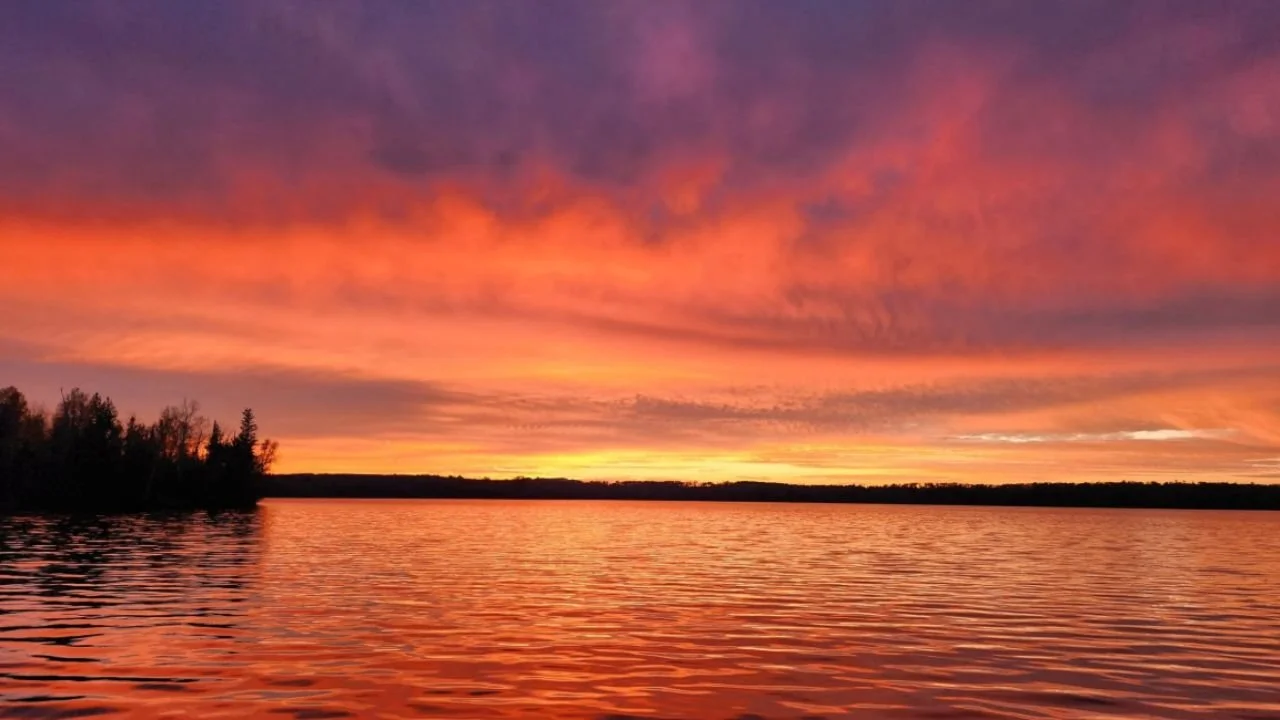
The White Iron Chain of Lakes gives you access to a large, connected water system. It still feels wild, but is much easier to explore.
The chain includes four main lakes, and each one has its own character.
Farm Lake is often the starting point. It is wide and open in some areas. But it also has quiet bays that feel more sheltered. It is known for good walleye, northern pike, and crappie fishing.
Garden Lake is smaller and more peaceful. It has a slower pace and is surrounded by forested shoreline. Anglers often look here for smallmouth bass, walleye, and panfish. It is a good lake when you want calmer water.
White Iron Lake is the largest and most open lake in the chain. It can feel more like a big water system. It is popular for walleye, northern pike, and lake trout in deeper areas. The lake also offers more room for boating and covering distance.
South Farm Lake is the most unique of the group. It is formally inside the Boundary Waters Canoe Area Wilderness. This makes it especially special for visitors staying nearby. This lake has a quieter, more protected feel compared to the others. It is known for walleye, northern pike, and bass. It gives you a true BWCA experience without committing to full backcountry camping.
There is also an important detail for South Farm Lake. It allows motor use. However, it is only up to 25 horsepower. This helps keep the water quieter and more controlled.
What makes this chain even better is how easy it is to access if you are staying at Timber Trail Lodge. Guests can reach the entire White Iron Chain directly from their private cabin docks. There is no long drive or complicated launch process. You simply step into your boat and you are already on connected water.
From there, you can move between lakes at your own pace. You can fish in one area in the morning. Then, explore another in the afternoon. Finally, come back to your cabin whenever you want. That flexibility is what makes this setup so different from traditional Boundary Waters trips.
How to Choose the Right Alternative for You
Not every option fits every trip. The best choice depends on what kind of experience feels right.
If it’s your first visit, keep it simple. A cabin stay with short day trips usually works best.
If kids are coming along, shorter outings and calm water matter more than distance.
If fishing is the goal, focus on lake access and flexibility rather than long routes.
Here’s a quick way to decide:
First-time visitors → cabin + day trip combo
Families with kids → dock fishing + short paddles
Fishing-focused trips → motor-access lakes or guided trips
Looking for quiet → basecamp setup with flexible routes
The key is not pushing too far, too fast. The Boundary Waters reward patience more than effort.
What You Still Get Without Full Camping
Some people worry that skipping traditional boundary waters canoe area camping means missing out. That’s not how it works. You still get the best parts like:
Clean, quiet lakes
Wildlife sightings
Star-filled skies
The sound of wind through pine trees
What you leave behind is the hard part. Packing, hauling, setting up camp in the rain.
A Different Way to Experience the Boundary Waters
There’s a reason more visitors are choosing these easier options. It makes the trip more enjoyable from start to finish.
Less stress. More time on the water. More energy to actually enjoy where you are.
You don’t need to prove anything out there. The lakes don’t care how far you paddle or where you sleep. They just ask you to slow down and pay attention.
FAQs
Do you need a permit for a day trip in the Boundary Waters?
Yes, you do need a permit for a day trip in the Boundary Waters Canoe Area Wilderness. For short visits, you use a self-issued permit. You can pick it up at entry point kiosks. It is simple and free. You fill it out before entering and keep it with you while inside the area.
Can you go to the BWCA without camping?
Yes, you can visit the Boundary Waters without camping overnight. Many people go for day trips instead. You paddle in, explore for a few hours, and return the same day. You do not need to sleep in the wilderness. This makes it easier for families, beginners, or anyone wanting a lighter experience.
What is the easiest way to experience the Boundary Waters?
The easiest way is to stay in a nearby lakeside cabin and take short trips into the area. This lets you enjoy the lakes without carrying heavy gear or camping. You can fish, paddle, and relax during the day, then return to a comfortable bed at night. It keeps things simple and stress free.
Can you use a motorboat near the BWCA?
Yes, motorboats are allowed on some lakes near the Boundary Waters. These lakes have specific rules, including horsepower limits in certain areas. For example, some connected lakes allow motors up to 25 HP. This makes travel easier and helps you cover more water without long paddling trips, especially for fishing or relaxed exploration.
Is the Boundary Waters good for beginners?
Yes, but it depends on how you experience it. Traditional camping can feel challenging for beginners due to permits, gear, and portages. However, easier options like day trips, guided tours, or cabin stays make it very beginner friendly. You can start small, learn the area, and slowly build confidence over time.
