
The Ultimate Guide to a Boundary Waters Canoe Trip From Timber Trail Lodge
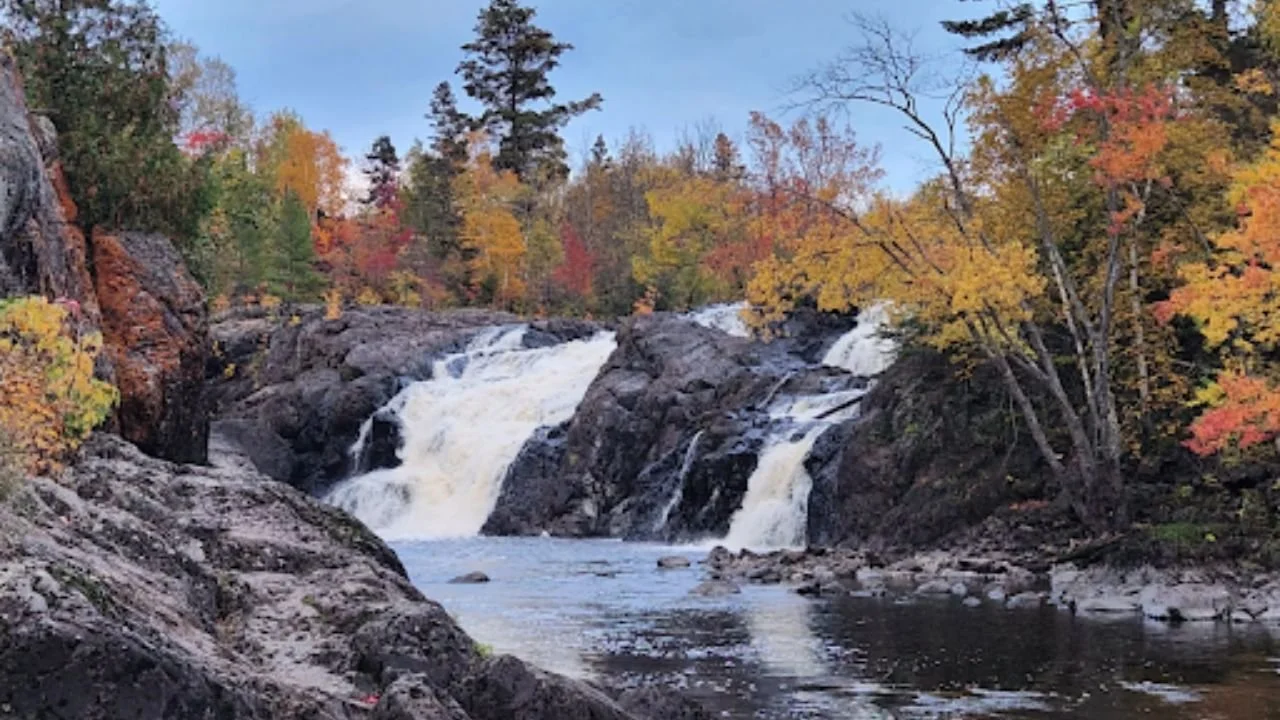
A Boundary Waters canoe trip is easier, safer, and more enjoyable when it starts at Timber Trail Lodge. The lodge simplifies permits and trip logistics. It offers clear guidance to the visitors. As a result, the experience stays focused on the water and the wilderness.
Many people dream of paddling through the Boundary Waters Canoe Area Wilderness. Fewer people feel confident planning it. Permits feel confusing. Entry points sound unfamiliar. Rules seem strict. And one wrong step can ruin the experience.
That is where Timber Trail Lodge makes a real difference. Not by turning the Boundary Waters into something easy or artificial, but by helping people understand it properly before they go.
Why a Boundary Waters Canoe Trip Feels Confusing at First
A Boundary Waters canoe trip is unlike typical travel. There are multiple reasons for that. These include:
Intense Physical Demands
This trip requires long periods of paddling and carrying canoes and gear during portages. You walk over uneven terrain with heavy packs. The physical effort is real. However, it also makes the experience more rewarding.
Unpredictable Environment
Weather has a mind of its own here. Sudden rain, wind, or temperature changes can make conditions feel cold. This is true even for warmer months. In these conditions, finding suitable campsites can be challenging.
Navigation Challenges
In a Boundary Waters canoe trip, you need to navigate by map and compass and not the GPS. While you can carry GPS units, they are often unreliable. This is what helps you locate small portages. Navigating connecting lakes requires focus on your part.
Timber Trail Lodge as a BWCA Cooperator
Timber Trail Lodge is a BWCA cooperator.This means the lodge is an officially designated BWCA cooperating outfitter. It is authorized to assist with permits and trip preparation. In other words, it understands how the system works in real settings.
As a BWCA cooperator, Timber Trail Lodge can:
Help search for permit availability
Print permits that guests booked online
Answer questions about entry points
Explain BWCA rules and responsibilities clearly
Note that these services do not replace the formal booking system. It enriches it. Guests still book permits through the official system. But the lodge’s guidance helps them do it correctly and confidently.
For first-time paddlers, this guidance alone removes much of the anxiety.
Why Location Matters for a Boundary Waters Canoe Trip
Timber Trail Lodge sits on Farm Lake near Ely, Minnesota. This location is not accidental.
Farm Lake connects to a chain of lakes that lead toward multiple Boundary Waters entry points. That connection allows guests to paddle into wilderness areas without complicated transport or long drives to distant entry points.
This setup supports:
Day-use Boundary Waters trips
Flexible route planning
Mixed-skill groups
Easier logistics before and after paddling
Instead of starting exhausted, guests begin to feel calm and prepared.
Understanding Boundary Waters Canoe Trip Options
Not every Boundary Waters canoe trip looks the same. Many people assume it must involve multiple days of camping. That is not always true.
Day-Use Boundary Waters Canoe Trips
Day-use trips allow paddlers to enter the Boundary Waters and return the same day. This option is often overlooked.
Day trips work well for:
Beginners
Families with children
Older guests
Visitors short on time
Anyone wanting a first taste of the Boundary Waters
Timber Trail Lodge supports this approach by helping guests understand which permits apply and which entry points make sense for a day trip.
This option keeps the experience real while lowering the barrier to entry.
Overnight and Partial-Group Trips
Some groups want more. Others want less. Timber Trail Lodge accommodates both.
It is common for part of a group to canoe into the Boundary Waters overnight while others remain at the lodge. Cabins provide a comfortable base for those staying back.
This flexibility keeps trips inclusive and avoids forcing everyone into the same plan.
Boundary Waters Canoe Trip Planning Begins With Permits
Permits are not optional. But they do not need to be intimidating.
Permit Basics Made Simple
A Boundary Waters canoe trip requires permits based on activity type.
Common permit categories include:
Day-use permits for same-day entry and exit
Overnight permits for camping inside the wilderness
Motorized and non-motorized distinctions depending on the specific lake and route, and permit zone.
Rules change by location and season. This is where confusion usually starts.
As a BWCA cooperator, Timber Trail Lodge helps guests understand:
Which permit type fits the planned trip
Whether a motor is allowed on certain routes
What rules apply once inside the Boundary Waters
What responsibilities come with the permit
This clarity helps guests plan confidently instead of guessing.
Entry Points and Route Decisions
Choosing the right entry point matters more than people expect.
Some entry points are busy. Others are quieter. Some suit beginners. Others require experience.
Timber Trail Lodge helps guests think through entry points based on:
Skill level
Time available
Group size
Desired pace
Day trip versus overnight goals
This advice is grounded in local knowledge. A good route choice can turn a stressful day into a peaceful one.
Canoe, Kayak, and Boat Access at Timber Trail Lodge
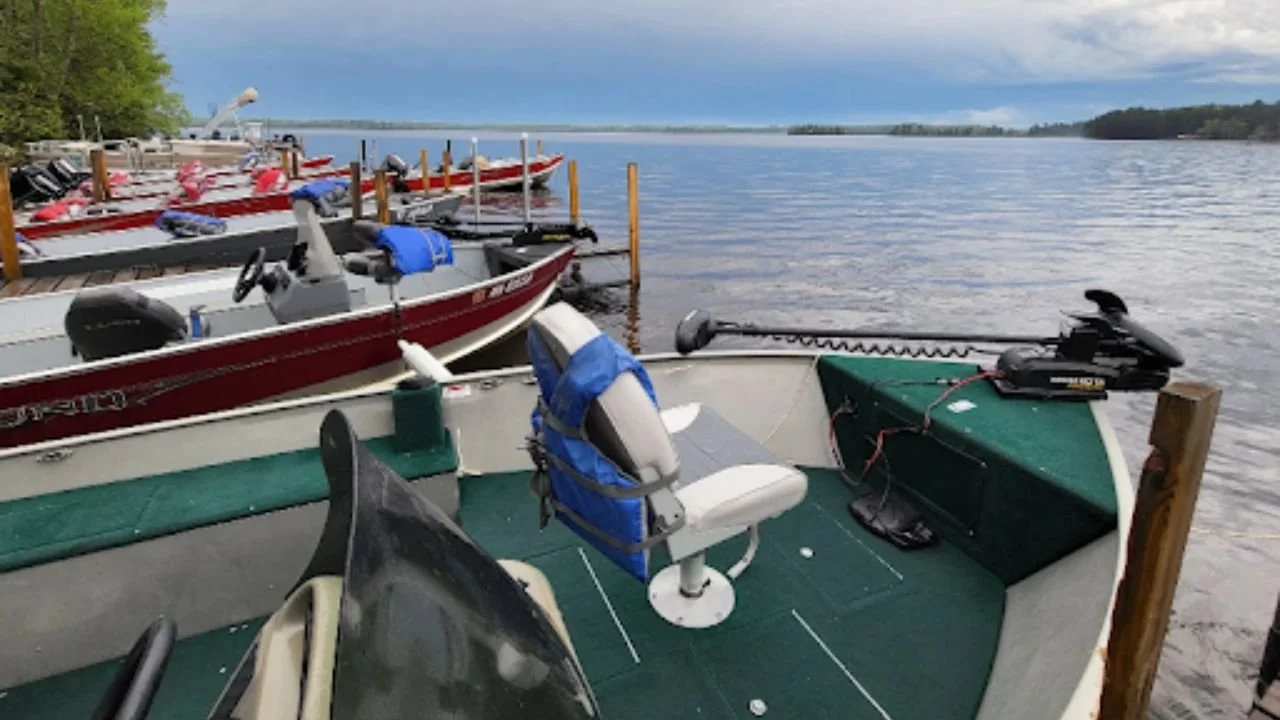
Water access is immediate at Timber Trail Lodge. Guests do not need to transport equipment long distances before starting.
Available options include:
Kayak rentals
Motor boat rentals where allowed by permit
Easy access to Farm Lake
This flexibility allows guests to choose what fits their comfort level and trip goals.
Some prefer quiet paddling. Others use motors only on lakes and routes where permits and BWCA regulations allow.
Both approaches are valid when done responsibly.
Learning Before Entering the Boundary Waters
A Boundary Waters canoe trip feels better when basic skills are understood.
Timber Trail Lodge provides informal guidance and learning opportunities that help guests prepare, including:
Canoe handling basics
Navigation awareness
Local fishing guidance and seasonal tips
Wildlife observation
Leave No Trace principles
Learning happens in a relaxed setting, not under pressure. This builds confidence before entering protected wilderness.
For families, this turns a canoe trip into a shared learning experience.
Comfort Is Part of Smart Trip Planning
Wilderness experiences are better when recovery is easy.
After a day on the water, guests return to:
Private lakeside cabins
Real beds
Full kitchens
Warm showers
Quiet decks overlooking the lake
This comfort allows guests to enjoy the Boundary Waters again the next day rather than feeling worn down.
It also makes multi-day visits more sustainable and enjoyable.
Is a Boundary Waters Canoe Trip Worth the Effort?
This is the honest question most people avoid asking.
The Boundary Waters demand respect. They are not convenient by design. But the reward is real.
A well-planned Boundary Waters canoe trip offers:
Silence broken only by water and wind
Wildlife sightings that feel earned
Time that slows down naturally
Shared effort that builds connection
Timber Trail Lodge increases the chance of a good experience by reducing confusion, not challenge.
What Makes This One of the Best Boundary Waters Canoe Trip Setups
The best Boundary Waters canoe trip is not the hardest one. It is the one people finish wanting to do again.
Timber Trail Lodge supports that outcome by offering:
BWCA cooperator support
Permit guidance and printing
Entry point clarity
Flexible trip styles
Skill-building opportunities
Comfortable recovery outside the wilderness
This approach respects the Boundary Waters while making them accessible.
Final Thoughts
A Boundary Waters canoe trip does not need to feel overwhelming to be meaningful.
Sometimes the best wilderness experiences begin with the right questions, the right guidance, and a place that understands both the rules and the rhythm of the water.
The real decision is not whether to go.
It is where the trip begins.
