
How to Plan a Cabin Vacation at a Minnesota Lake Lodge: Complete Guide
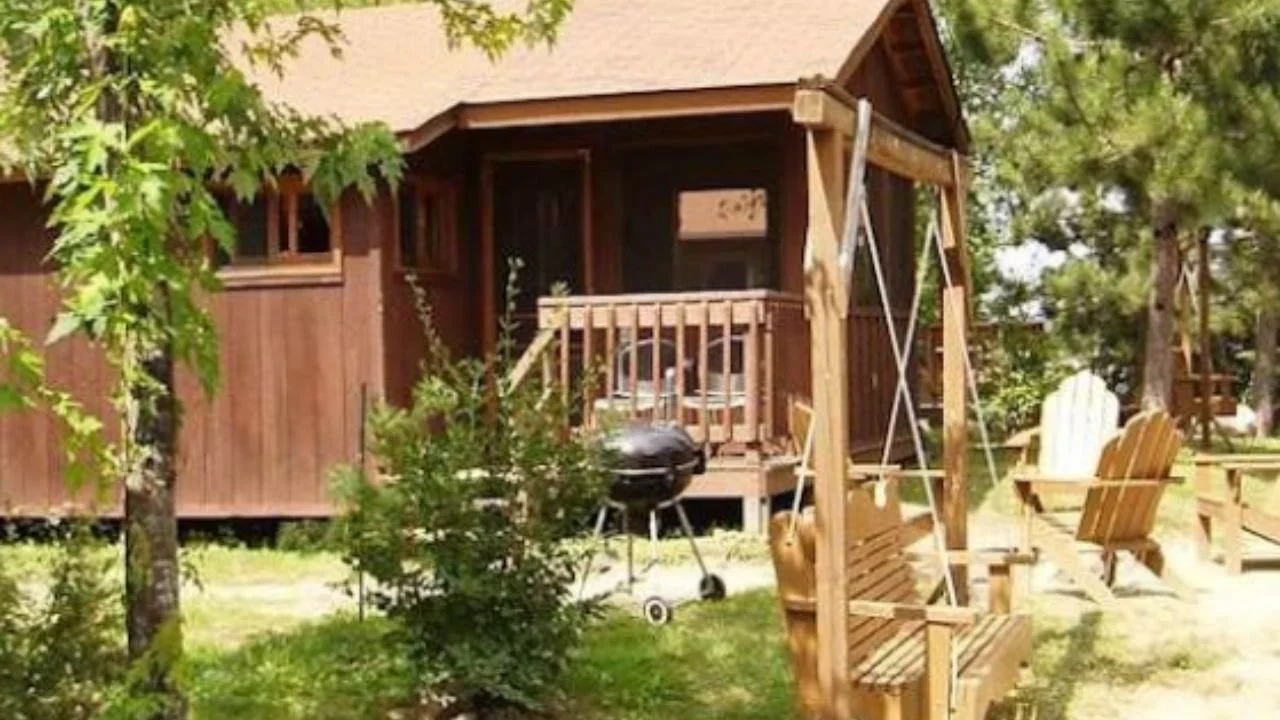
Planning a vacation should feel exciting, not stressful. Good trips start with clear cabin plans that match your needs, comfort, and lifestyle. A strong cabin plan shapes how every day feels. Comfort, location, space, and access all matter more than people expect.
Timber Trail Lodge in Ely, Minnesota makes cabin planning simple and natural. Each cabin option supports different travel styles. Families, couples, and groups all find fitting spaces. Every stay connects directly to lake life and northwoods living.
What a Cabin Plan Really Means
A cabin plan is more than picking a place to sleep. It is about choosing how you live during your stay. It affects privacy, comfort, and daily flow.
Good cabin plans focus on:
Space for rest and connection
Easy access to nature and water
Comfort during changing weather
Simple daily routines
Calm and quiet surroundings
Strong planning removes stress before arrival. A clear plan creates calm before travel. Each day feels smoother and easier.
Why Timber Trail Lodge Works for Cabin Planning
Timber Trail Lodge offers multiple cabin styles in one location. Guests can match lodging to their group size and travel goals. Each cabin design supports lake living and outdoor access.
Cabin planning feels simple because options are clear. Spaces are designed for real use, not just appearance. Living areas feel practical and comfortable. Bedrooms feel quiet and restful.
Every cabin plan connects to water, nature, and open space. No stay feels disconnected from the outdoors.
Choosing the Right Cabin Size
The cabins at Timber Trail Lodge sit on George Pond. They range from one‑bedroom units up to six‑bedroom retreats. You can book stays for 2 guests all the way up to groups of 17.
Group of 2?
If you’re a couple craving a quiet, romantic getaway by the water, a one‑bedroom or Jack Pine motel unit is the best fit. These are built for two people who want simple comfort and a relaxed vibe.
You can choose between:
The Ranger Log Cabin (“The Honeymoon Cabin”), or
Any of The Grove units (#8, #9, or #10). All of these sit on George Pond and give you a compact, lakefront base without extra bedrooms you won’t use.
Family of 5?
If you’re bringing a family of about 4–6 people, a two‑ or three‑bedroom cabin is usually the sweet spot. These give everyone a bit of privacy. But they still keep the group close when you’re cooking, eating, or hanging out.
For a family of 5, good picks include:
Two‑bedroom cabins like Red Pine, White Ash, Cedar, or Tamarack.
Three‑bedroom cabins like Evergreen, Wintergreen, Basswood Log Cabin, Aspen Log Cabin, Norway Pine, or Birch.
These cabins sleep around 10–15 people. Thus, you’ll have room for kids, all your gear, and maybe even a friend who tags along.
Group of 8+?
If you’re planning a trip with 8 or more people, you’ll want at least a four‑bedroom unit or larger.
For such groups, the best options are:
The four‑bedroom White Pine Retreat (sleeps 14)
The four‑bedroom Blue Spruce Guest Home (sleeps 17)
The six‑bedroom Diamond Willow Retreat (sleeps 16)
These larger cabins are ideal for family reunions and multi‑family trips. They are also suitable for fishing groups that want plenty of space plus easy lakefront access.
Quick guide at a glance
Group of 2
Best Cabin Size: One-bedroom or motel unit
Example Cabins: Jack Pine Twin/Queen, Ranger Log Cabin, The Grove #8, The Grove #9, The Grove #10
Family of 5
Best Cabin Size: Two- or three-bedroom
Example Cabins: Red Pine, White Ash, Cedar, Tamarack, Evergreen, Wintergreen, Basswood Log Cabin, Aspen Log Cabin, Norway Pine, Birch
Group of 8+
Best Cabin Size: Four-bedroom or larger
Example Cabins: White Pine Retreat, Blue Spruce Guest Home, Diamond Willow Retreat
Why Location Matters in Cabin Plans
Cabin placement shapes how each vacation day feels. Location affects energy, mood, and daily flow. Distance from water changes how often guests use the lake. Easy access creates natural routines.
Timber Trail Lodge sits on Farm Lake in Ely, Minnesota. Farm Lake connects to surrounding lakes and water routes. Calm water supports paddling, fishing, and relaxed boating. The shoreline feels open and quiet.
Many cabins sit directly on the lakefront. Private docks create direct water access. Daily life flows between the cabin and lake. Mornings begin with water views and natural light. Evenings settle into quiet reflections and sunset colors.
Nearby BWCA entry points allow easy wilderness access. Guests can paddle from connected waters into wilderness routes. Planning feels simple and supported. Wilderness travel stays close and reachable.
Ely offers a rare mix of wilderness and town life. Outdoor culture shapes daily rhythm. Local shops, museums, and trails add variety. The town feels peaceful and grounded in nature.
Travel remains simple for long-distance visitors. The lodge sits about four hours from Minneapolis. This distance supports easy road trips. Arrival feels calm instead of rushed.
Private Docks Change the Experience
Private docks create daily freedom. Guests avoid crowded public areas. Fishing becomes easier. Boats stay close and accessible.
Dock access allows:
Early morning fishing sessions
Evening water relaxation
Safe boat storage
Easy lake entry
Private shoreline moments
Fireplaces and Fire Pits Add Comfort
Weather changes quickly in northern Minnesota. Comfort spaces matter during cool nights.
Some Timber Trail Lodge cabins include indoor fireplaces. Other cabins include outdoor fire pits. Both support evening relaxation.
Fire features support:
Warm evening gatherings
Calm social time
Quiet reflection moments
Family bonding spaces
Cozy night routines
Pet-Friendly Cabin Planning
Travel feels better when pets are included. Many guests avoid trips because of pet limits.
Timber Trail Lodge allows pet-friendly stays. Pets are welcome for a nightly fee per pet. This policy supports family travel planning.
Pet-friendly cabin plans help with:
Family comfort
Reduced travel stress
Flexible trip length
Natural outdoor exercise
Calm routines
Motel Rooms Versus Cabins
Not every traveler needs a full cabin. Some guests prefer simple lodging.
Timber Trail Lodge also offers motel-style rooms. These spaces provide comfort and convenience. Lake access is close by.
Motel room plans work well for:
Short stays
Solo travel
Budget planning
Minimalist trips
Easy maintenance stays
Cabin Plans and Lake Lifestyle
A cabin plan shapes your daily rhythm. Morning routines feel different by the lake. Evenings slow naturally.
Lake living supports:
Calm starts
Slow mornings
Gentle activity flow
Natural rest cycles
Quiet evenings
Access to Nature and Wilderness
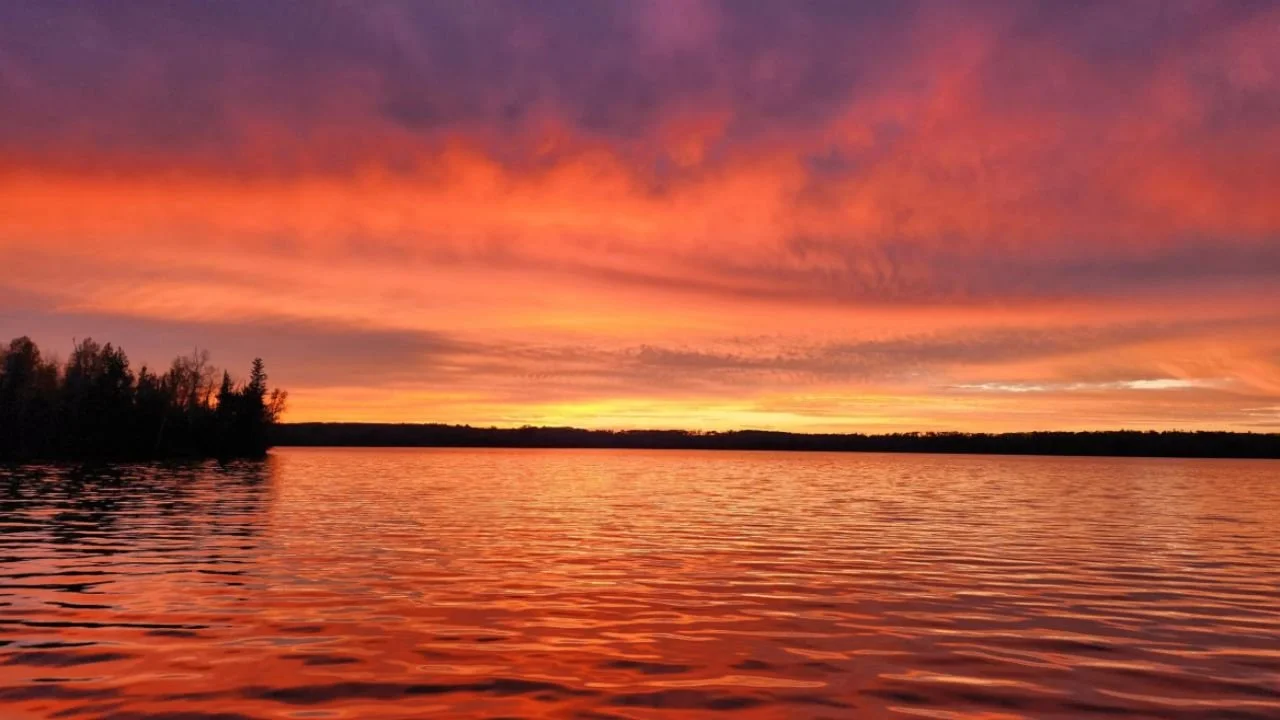
Timber Trail Lodge is nestled right at the edge of the Boundary Waters. It still feels like a true lakeside retreat. Yet, you are close enough to hop over into the BWCA whenever you want to.
Many guests come to the Ely area because the BWCA is on their lifetime bucket list. This is, even if they do not plan to camp overnight. The lodge supports that desire by acting as a comfortable basecamp while you explore the wilderness in any way you want.
How permits actually work at Timber Trail
You do not always have to go online and book a permit months in advance. Timber Trail Lodge is a BWCA cooperator. It means staff can help you search for availability, print permits you book online, and answer permit questions before you launch.
If your trip is a day paddle into the BWCA without camping, you often use a self‑issued permit at the entry‑point kiosk. This is free and simple. If you are planning an overnight BWCA trip, you book a quota permit ahead of time through Recreation.gov. Then print it at the lodge if you like.
Day use motor permits and what they mean
A day use motor permit applies only to specific BWCA lakes. South Farm Lake allows motors during quota season from May through September. These permits are limited and often sell out during busy weeks.
Many guests never need a BWCA motor permit. Farm Lake, Garden Lake, and White Iron Lake sit outside the BWCA boundary. Fishing and boating there follow normal Minnesota regulations.
How to get a South Farm Lake permit
South Farm Lake sits inside the BWCA but allows motors up to 25 HP. Access usually starts from Farm Lake through Entry Point 31. This is the same route Timber Trail Lodge uses for paddles and day trips.
Guests must reserve a BWCA day use motor permit through Recreation.gov. Timber Trail Lodge cannot issue permits directly. Staff help guests find availability, understand rules, and prepare paperwork.
If guests prefer simpler plans, nearby lakes offer easy fishing. Farm, Garden, and White Iron lakes allow normal access. The lodge sells fishing licenses, bait, and provides local route guidance.
Motor vs. paddle permits in the BWCA
Motor permits use a quota system. These permits limit daily boat traffic on motor-eligible lakes. Availability can be tight during peak seasons.
Paddle day trips usually need only a free self-issued permit. These permits are available at kiosks and require no reservations. This option works well for families and first-time visitors.
Guests can choose their experience. Quiet paddling routes allow calm exploration. Motor routes offer regulated access without deep wilderness camping.
What you can realistically do in a day vs. overnight
A realistic day trip includes paddling through one or two connected lakes. Most guests plan four to six hours on the water. Short routes allow photo stops and rest breaks.
Overnight trips require an official BWCA overnight permit. Guests paddle deeper into wilderness areas and camp along shorelines. Many families use Timber Trail Lodge as a home base. Some members paddle overnight while others stay at the lodge.
Fishing and routes without wilderness permits
Not every fishing trip requires a BWCA permit. Farm Lake and the White Iron chain follow standard Minnesota fishing rules. Guests can fish these waters freely.
Staff at Timber Trail Lodge share local fishing spots and simple routes. Day trips usually need light gear and basic safety supplies. So, planning stays easy and flexible.
Planning for Different Travel Types
Each vacation has a different purpose. Cabin plans should match trip goals.
Family trips need space and safety.
Couple trips need privacy and quiet.
Group trips need layout and flexibility.
Adventure trips need access and logistics.
Rest trips need calm and comfort.
Timber Trail Lodge supports all styles.
Why Timber Trail Lodge Cabins Feel Different
Timber Trail Lodge cabins are not isolated units. They connect to a shared lake environment.
Guests feel part of a living landscape. Nature surrounds each stay. Calm feels natural, not forced.
Cabin living feels authentic and grounded.
Hotel vs. Cabin at Timber Trail Lodge
Cost
Hotel-style (motel rooms): Generally more budget-friendly per night, especially smaller rooms and kitchenettes.
Cabin (lakeside or nearby units): Slightly higher per night on average, but you spread cost across more people and get more space and amenities.
Space
Hotel-style (motel rooms): Compact, similar to a standard hotel room with basic sleeping and sitting area.
Cabin (lakeside or nearby units): Larger layout, often with separate bedrooms, a living area, and a full kitchen.
Privacy
Hotel-style (motel rooms): Good for a couple or solo traveler, but you are closer to shared hallways and other guests.
Cabin (lakeside or nearby units): More self-contained; you are not inside the main building, and many cabins sit near the lake with space between units.
Pet Policy
Hotel-style (motel rooms): Some motel-style rooms allow pets, with a small daily or weekly pet fee and basic rules (leash, cleanup, no beach use).
Cabin (lakeside or nearby units): Many cabins are pet-friendly with the same fee structure and leash rules, plus more space for dogs (porch, yard, or nearby wooded areas).
Outdoor Access
Hotel-style (motel rooms): You still get lake views and easy access to Farm Lake, the docks, and walking trails, but you step out of a shared-style structure.
Cabin (lakeside or nearby units): You often step directly from your porch or deck onto the lake, lawn, or campfire area, which feels more like a true “cabin in the woods” experience.
Kitchen Access
Hotel-style (motel rooms): Some motel-style rooms include small kitchenettes; others are more like standard hotel rooms with limited cooking ability.
Cabin (lakeside or nearby units): Cabins typically come with a fully stocked kitchen (pots, pans, plates, silverware, basic cooking tools) so you can cook meals whenever you want.
Overall Experience
Hotel-style (motel rooms): Best if you want simple, no-fuss lodging and plan to eat out or bring mostly snacks, while still being steps from the lake and BWCA access.
Cabin (lakeside or nearby units): Best if you want a full Northwoods “home base”: cooking, relaxing with family, and feeling like you truly “live on the lake” for a few days.
Long Stays Need Strong Plans
Long vacations require good structure. Comfort matters more over time. Timber Trail Lodge cabins support long stays. Space, access, and layout reduce fatigue.
Long-stay benefits include:
Stable routines
Better sleep patterns
Reduced stress
Deeper relaxation
Natural daily flow
Smart Booking and Planning for the Perfect Cabin Stay
Good cabins book quickly. Popular lakefront units fill early.
Early planning allows:
Better cabin selection
Better dates
Better location choices
Better group coordination
Better travel timing
Ask these before booking:
How many people will travel
What level of comfort matters
How important is water access
What activities matter most
How long is the stay
Your answers guide better cabin plans.
How Timber Trail Lodge Supports Planning
At Timber Trail Lodge, staff help guests match cabins to needs.
Support includes:
Cabin selection help
Activity coordination
BWCA planning support
Outfitting access
Shuttle logistics
Why Your Next Trip Needs a Cabin Plan
Vacations should restore energy, not drain it. Structure supports rest.
A good cabin plan creates balance. Comfort meets nature. Privacy meets connection. Stillness meets activity. Timber Trail Lodge cabins support this balance naturally. Each stay feels thoughtful and grounded.
Clear cabin plans turn trips into experiences. They remove chaos and add calm and shape comfort and flow. The right cabin plan makes every day easier and makes vacations feel complete.
