
A Complete Packing Checklist for Your BWCA Permit Trip
Planning a Boundary Waters trip feels exciting. The first paddle stroke. That hush when you leave the landing. The way the lake looks like it’s keeping a secret.
A solid plan keeps the stress out of it. A smart BWCA packing list helps you stay safe and comfortable, whether you’re headed in for an overnight permit trip or doing it “basecamp style” — exploring the BWCA by day and sleeping in a warm cabin at night.
One quick note before we get into the list: we’re a lodge, not your outfitter or guide. We’re happy to help you think through the basics (and we see plenty of “oops, forgot that” moments every season), but for route decisions, current conditions, and wilderness safety, always follow official guidance and/or work with a professional outfitter.
Many travelers start (and end) their trip at Timber Trail Lodge & Resort, located on BWCA Entry Point #31-Farm Lake just outside Ely, with lodging options, on-water access, and BWCA gateway services like a permit station and shuttle service.
Why a Good BWCA Packing Plan Matters
The Boundary Waters offers wilderness beauty. It also demands preparation. Weather can change fast. Portage trails can be slick. And “it’ll be fine” turns into a long day if the wrong item is missing.
A complete checklist reduces last-minute mistakes. A little work now protects your whole trip.
If you’re unsure about permits (day use vs. overnight), start with the official BWCA permit info on Recreation.gov: https://www.recreation.gov/permits/233396
How to Use This BWCA Packing List
Pack by category. Keep items grouped. Check items off early. Update your list once you load your gear.
And here’s the part people forget: share the list with everyone in your group. Each person should know where supplies live. Pack light but smart. Every ounce matters when you portage.
Quick Day-Trip Packing List (BWCA + Back to the Cabin Tonight)
If you’re staying at Timber Trail and planning BWCA day trips, this is the “don’t overthink it” list.
Daypack (or small dry bag pack)
Water (plus a backup filter or tablets if you’ll be out a while)
Lunch + snacks you can eat one-handed
Rain jacket
Warm layer (even in July)
Bug spray + sunscreen
Map/route info + a compass (or at least a map app downloaded offline)
Small first aid kit (blister care matters)
Headlamp (yes, even on a day trip)
Phone in a waterproof case + portable battery
Whistle
Trash bag (pack it out)
If you’re renting canoes/kayaks or getting out on the lake right from the resort, take a minute at the dock to check: PFDs fit, straps are tight, and everyone knows the plan.
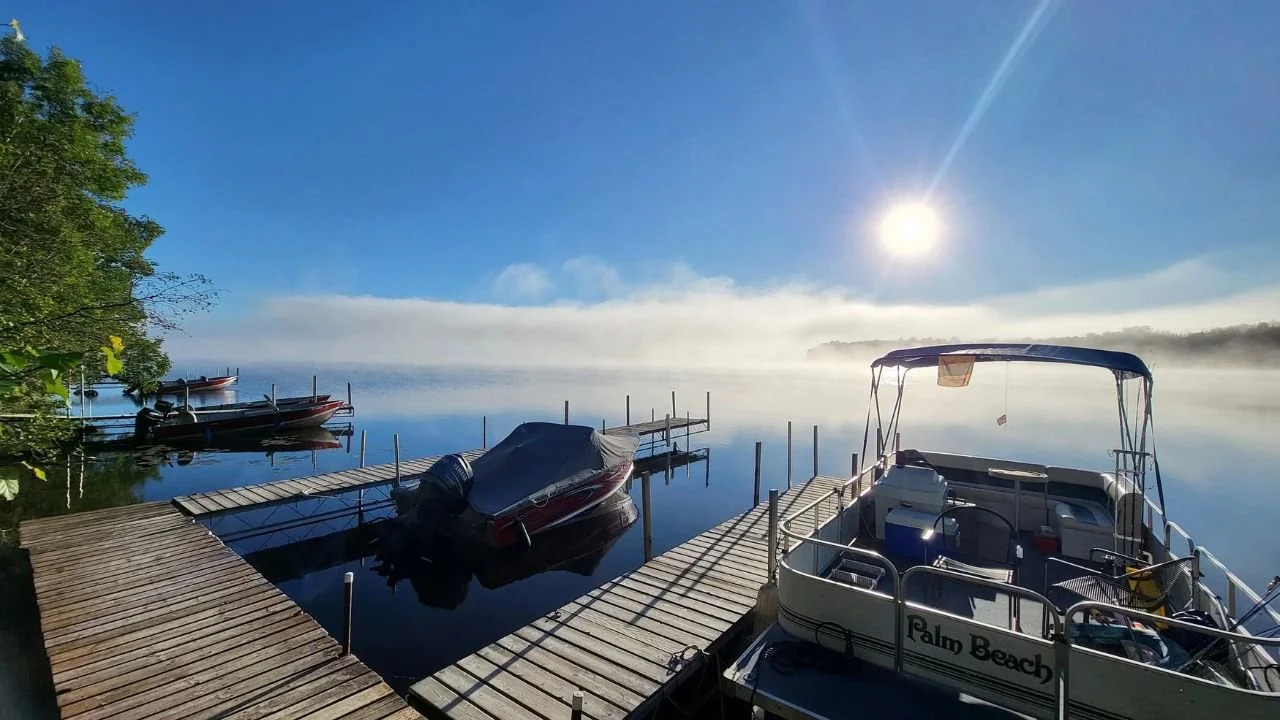
Overnight Trip vs. Day Trip Packing (If You’re Sleeping at the Lodge)
This BWCA packing list is built for overnight permit trips first. But if you’re staying at Timber Trail and doing BWCA day trips, you can slim it down.
For overnight BWCA permit trips, you’ll need:
Shelter + sleep system
Full cook kit + food storage
Water filtration
Emergency and repair backups
More clothing (and more ways to keep it dry)
For BWCA day trips (sleeping in a cabin), focus on:
Layers + rain protection
Food + water (or a filter)
Navigation + basic first aid
Dry storage for phone/keys
A “get home safe” mindset (because you still can’t call an Uber from a portage)
Essential Camping Gear for a BWCA Trip
Tent and Shelter Gear
A strong tent protects your group from wind and rain. Choose a tent with a rainfly. Practice setup before your trip. Always pack extra stakes.
Lightweight tent with rainfly
Ground tarp or footprint for tent bottom
Adjustable poles and strong stakes
Paracord for tying and repairs
Small patch kit for fabric tears
Keep your tent dry. Pack the rainfly on top. You will want it fast when storms roll in.
Sleeping Gear for Better Rest
Sleeping well keeps energy high. Nights can feel cold, even in summer. Layer your warmth.
Sleeping bag for expected temperatures
Sleeping pad for comfort
Pillow or compressible stuff sack
Wool blanket for backup support
Store sleeping bags in dry bags. Keep them protected at all times.
Clothing to Pack for a BWCA Canoe Trip
Clothing can feel tricky. Pack light layers. Cotton stays wet and cold. Use synthetic or wool fabrics. They dry fast and stay warm.
Base Essentials
Quick-dry long sleeve shirt
Quick-dry pants for sun and bugs
Moisture-wicking short sleeve shirt
Fleece jacket or warm mid-layer
Waterproof rain jacket and pants
Wool socks for warmth
Extra underwear
Footwear
Good shoes protect your feet. Portages include mud, rocks, and roots. Pack shoes that grip well.
Sturdy portage shoes
Camp shoes or sandals
Extra socks in sealed bags
Sun and Bug Protection
The sun reflects off the water. Bug season is… bug season. Protect yourself.
Hat or visor
Sunglasses
Buff or neck gaiter
Insect repellent
After-bite cream
Food Gear for BWCA Travel
Food weight matters. Choose meals that pack flat and don’t require a full kitchen brain.
Cooking Gear
Lightweight backpacking stove
Fuel bottles
Cooking pot and small fry pan
Long handle stirring spoon
Heat-resistant gloves
Lightweight mugs and plates
Pack the stove near the top. You may need quick access during weather shifts.
Food Storage
Food storage is about protecting your food and protecting wildlife.
Bear barrel or certified bear bag for storage
Rope for hanging food
Resealable bags for dry food
Small containers for spices
Store food away from your sleeping area. Keep the camp safe.
Water Filtration and Hydration Gear
The lakes can look clean and still carry risk. Filter your water. Every time.
Gravity water filter or pump filter
Backup purification tablets
Hydration reservoir or water bottles
Collapsible water jug for camp
Drink water often. Dehydration sneaks up during long paddles.
Canoe and Portage Gear
Smooth travel on water and land depends on the right equipment. Portages feel easier when weight stays balanced and everything stays dry.
Canoe with comfortable portage yoke
Two durable paddles, plus one spare
PFD life jacket for each person
Dry bags for electronic items
Waterproof map case
Packs with chest and hip straps
Distribute weight between packs. Keep heavy items centered.
Navigation and Safety Gear
Backup navigation and emergency supplies keep your group protected and confident from start to finish.
Detailed BWCA maps
Compass for accurate direction
Waterproof case for documents
Headlamp with extra batteries
Multi-tool or folding knife
First aid kit with outdoor supplies
Whistle for emergency calls
Small repair kit for gear fixes
Check maps each morning. Plan travel before leaving camp.
Personal Care Items
Small items make a big difference. Keep them packed together.
Biodegradable soap
Toothbrush and toothpaste
Quick-dry travel towel
Lip balm
Toilet paper in sealed bag
Hand sanitizer
Trowel for Leave No Trace rules
Follow campsite rules and leave nature untouched. (And if you love the wilderness but want a hot shower and a real bed after a day out, that’s what the cabins are for.)
Weather and Emergency Items
Packing dependable emergency items helps when nature tests your plans.
Emergency blanket
Weather-proof matches
Fire steel
Waterproof lighter
Duct tape
Signal mirror
Small sewing kit
Fishing Gear for BWCA Trips
Fishing adds joy to your days. Pack what matches your plan and the season.
Compact travel rod
Reel and line
Small tackle box
Stringer
Fishing license
Pliers
Check local rules before fishing. Follow catch limits.
Food Ideas for BWCA Trip Planning
Meals should feel strong and simple. Stove meals save time.
Breakfast Ideas
Oatmeal with fruit
Pancake mix
Breakfast burritos
Coffee or tea packets
Lunch Ideas
Tortillas and nut butter
Cheese with crackers
Trail mix and dried fruit
Dinner Ideas
Pasta or rice bowls
Freeze-dried meals
Fresh fish if licensed
Always keep snacks ready during paddling days.
How to Pack for Portages
Portaging becomes smoother when your gear stays organized and balanced. A smart system saves energy and time on every trail. Keep essential items easy to reach, and secure everything tightly before lifting the canoe or packs.
Clothing bag
Food bag
Gear bag
First aid and safety bag
Load weight evenly in the canoe. Secure every strap.
Group Packing Tips
Take one set of shared gear. Do not pack duplicates. Assign responsibilities.
One stove for the team
One water filter for the team
Split food weight fairly
Review items together. Remove unnecessary weight.
Leave No Trace Principles
The Boundary Waters stays beautiful only when each visitor cares for the land. Small choices make a big difference.
Pack out everything
Stay on marked paths
Camp only at approved sites
Respect wildlife distance
Final BWCA Packing List Summary
A smart BWCA packing list supports a safe and successful adventure. Use this guide to prepare well. Pack reliable shelter, balanced clothing, food supplies, and safety gear. Label your bags. Enjoy quiet mornings, calm lakes, and star-filled nights.
If your trip includes a cabin stay (before or after the wilderness), it’s okay to build comfort into the plan. Plenty of people do the BWCA as a day-trip adventure and come back to a warm meal, a porch, and a good night’s sleep.
