
7 Smart Areas to Buy a Cabin in Minnesota for Lake Life, Value, and Long-Term Appeal
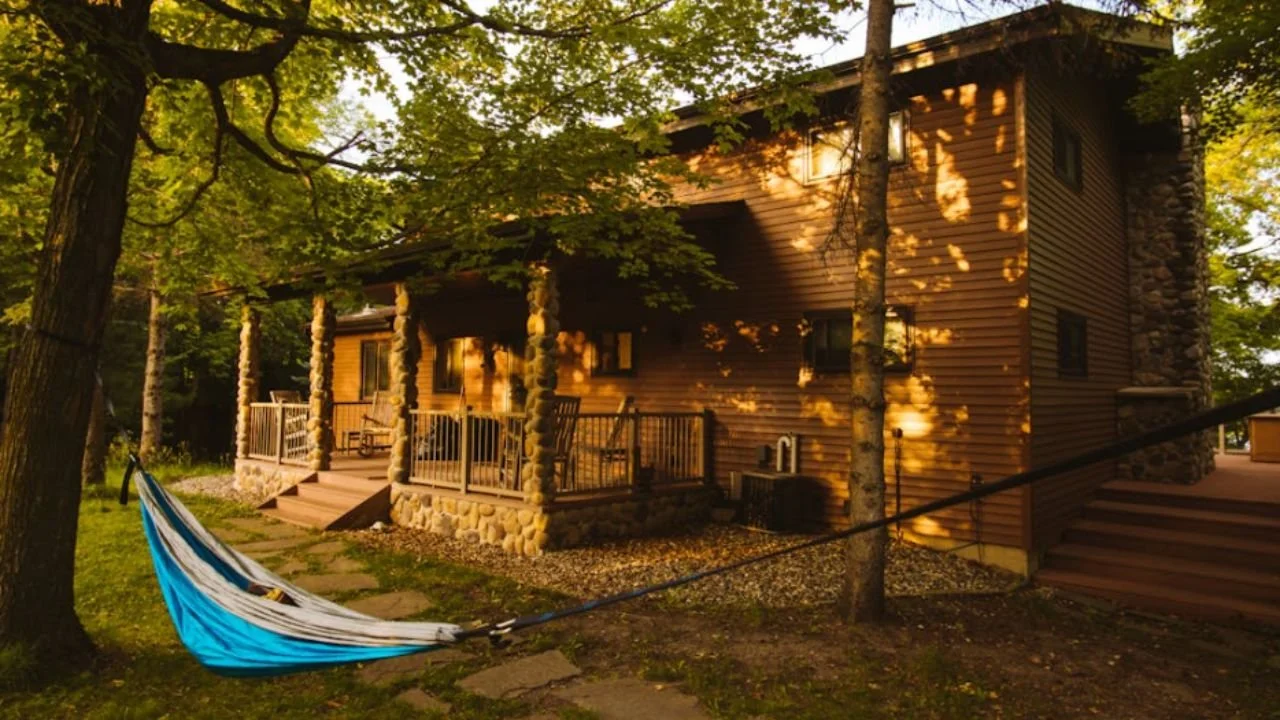
Buying a cabin in Minnesota often makes the most sense in areas with strong lake access, year-round recreation, and lasting emotional appeal. Places like Ely, Brainerd Lakes, Detroit Lakes, Leech Lake, and the North Shore continue to attract buyers who want both a getaway and a place their family will return to year after year.
For many people, owning a cabin is more than a real estate purchase. It is a dream.
That dream often starts with a simple question:
What are the best areas in MN to buy a cabin if you want lake access, long-term appeal, and a place people will actually use?
The answer depends on what kind of experience matters most.
Some buyers want fishing. Others want boating. Some want access to hiking trails and wilderness. Many simply want a peaceful place where kids and grandkids can make memories for years to come.
Minnesota offers thousands of lakes and countless cabin opportunities. Yet not every area provides the same value, accessibility, or long-term appeal.
Before comparing destinations, it helps to understand what makes a cabin area worth considering in the first place.
What Are Cabin Prices Actually Like in Minnesota Right Now?
Cabin prices vary significantly depending on:
Location
Lake quality
Waterfront type
Road access
Property condition
Distance from major cities
How close you are to wilderness, trails, towns, and services
As of mid-June 2026, LakePlace.com showed more than 1,400 active Minnesota cabin listings, with an average listing price in the mid-$700,000s and an average price per square foot around $370.
These numbers change constantly, so treat them as a snapshot rather than a fixed market report.
Here is a look at where each area in this guide currently stands.
Area: Ely / BWCA Region
Avg. Listing Price: $741,589
Avg. Price / Sq. Ft.: $494
Approx. Drive from Minneapolis: ~4.5–5 hours
Area: Brainerd Lakes
Avg. Listing Price: $466,177
Avg. Price / Sq. Ft.: $261
Approx. Drive from Minneapolis: ~2 hours
Area: Detroit Lakes
Avg. Listing Price: $742,957
Avg. Price / Sq. Ft.: $425
Approx. Drive from Minneapolis: ~3.5 hours
Area: Crosslake
Avg. Listing Price: $840,662
Avg. Price / Sq. Ft.: $431
Approx. Drive from Minneapolis: ~2.5–3 hours
Area: Walker / Leech Lake
Avg. Listing Price: $478,589
Avg. Price / Sq. Ft.: $256
Approx. Drive from Minneapolis: ~3.5–4 hours
Area: Grand Marais / North Shore
Avg. Listing Price: $685,204
Avg. Price / Sq. Ft.: $524
Approx. Drive from Minneapolis: ~4.5–5 hours
Area: Bemidji
Avg. Listing Price: $569,242
Avg. Price / Sq. Ft.: $276
Approx. Drive from Minneapolis: ~3.5–4 hours
Source note: LakePlace.com active lake property listing snapshots, checked mid-June 2026. Figures change frequently and should be verified before making any real estate decision.
What Makes a Minnesota Cabin Area a Smart Choice?
People often focus on the cabin itself. The view. The dock. The square footage.
But experienced cabin owners know the location often matters more than the building.
Think about it this way.
A beautiful cabin in a hard-to-reach area may sit empty most of the year. A modest cabin in a great location may become a family gathering place for generations.
When evaluating cabin destinations, buyers often look for:
Strong lake access
Good fishing opportunities
Reliable demand
Natural beauty
Recreational activities
Nearby services and amenities
Long-term desirability
A reason to come back in every season
The best cabin areas tend to check several of these boxes at once. They offer experiences people continue to seek year after year.
This article is not financial advice. Cabin prices, interest rates, taxes, insurance, and local market conditions can change. Always verify current listings, talk with a local real estate professional, and understand the full cost of ownership before buying.
1. Ely and the Boundary Waters Region
Ely sits in the northeastern corner of Minnesota. It is roughly 4.5 to 5 hours from Minneapolis, depending on route, traffic, weather, and stops.
It is best known as a gateway town to the Boundary Waters Canoe Area Wilderness. The Boundary Waters is one of the country’s most iconic canoe wilderness areas, with more than one million acres of lakes, forest, and paddling routes.
Beyond the BWCA, the Ely area is surrounded by:
Superior National Forest
The International Wolf Center
The North American Bear Center
Remote lakes and quiet shoreline
Fishing, canoeing, hiking, skiing, dog sledding, and snowshoeing
Supply is naturally constrained in and around Ely.
The BWCA is federally protected wilderness, and private development is not allowed inside the wilderness boundary. That makes nearby lakefront and cabin properties around Ely especially appealing to buyers who want wilderness access without owning inside the BWCA itself.
Supply can still change in the broader Ely market, but true wilderness-adjacent lake property is limited by geography, public land, and regulation.
2026 Market Snapshot
As of mid-June 2026, LakePlace.com showed Ely lake property listings averaging about $741,589, with an average price per square foot around $494.
That places Ely among the more premium northern Minnesota lake markets in this guide.
The reason is easy to understand. Buyers are not just purchasing a cabin. They are buying access to a rare kind of landscape: lakes, forests, quiet water, dark skies, and the feeling of being close to something protected.
Who Buys Cabins in Ely?
Buyers tend to fall into a few clear profiles:
Retiring couples who have visited for decades and want a permanent home base
Families who have taken annual fishing or paddling trips and want to stop renting
Remote workers who want four-season outdoor access
Buyers who value scarcity, quiet, and wilderness proximity
People who want their cabin to feel genuinely north, not suburban
Ely is not the easiest cabin market in Minnesota. It is not the shortest drive from the Twin Cities. But for buyers who want the Boundary Waters feeling, that distance is part of the appeal.
2. Brainerd Lakes Area
The Brainerd Lakes area is about two hours north of Minneapolis, which makes it one of the most accessible major cabin regions in Minnesota.
That accessibility matters.
For families who want to use a cabin often, the shorter drive can be the difference between “we should go sometime” and “let’s go this weekend.”
The area sits in the heart of Crow Wing County and is known for hundreds of lakes, major resort infrastructure, golf, restaurants, healthcare, and year-round recreation.
The two main draws for cabin buyers are the Gull Chain of Lakes and the Whitefish Chain. Gull Lake is popular for boating, water sports, fishing, and social lake life. It is also one of the more competitive stretches of shoreline in central Minnesota.
Premium lots on well-known lakes do not usually stay overlooked for long.
2026 Market Snapshot
As of mid-June 2026, LakePlace.com showed about 102 active Brainerd lake property listings, with an average listing price of about $466,177 and an average price per square foot around $261.
That makes Brainerd one of the more accessible larger lake markets in this guide, especially compared with Ely, Crosslake, Detroit Lakes, and Grand Marais.
The range is wide. You can find a modest fishing cabin, a seasonal lake place, or a luxury waterfront home in the broader Brainerd area.
Best Fit For
Buyers who want:
Frequent, easy access from the Twin Cities
Strong resale appeal
A cabin the whole family will use
Restaurants, healthcare, shopping, and services nearby
A more developed lake-life experience
Brainerd is a strong choice for buyers who want classic Minnesota cabin life without feeling too far from everyday conveniences.
3. Detroit Lakes
Detroit Lakes sits in Becker County in northwestern Minnesota. It is about 3.5 hours from Minneapolis and also draws interest from Fargo-Moorhead and other western Minnesota and eastern North Dakota buyers.
That second metro connection gives the area a consistent two-city demand base, which helps support its long-term appeal.
The name might suggest one lake, but the area has more than 400 lakes within a 25-mile radius. Big Detroit Lake is a focal point for anglers targeting walleye, muskie, largemouth bass, smallmouth bass, and northern pike.
The city beach on Little Detroit Lake stretches for about a mile and includes public access, swimming areas, and an accessible fishing pier.
2026 Market Snapshot
As of mid-June 2026, LakePlace.com showed about 115 active Detroit Lakes lake property listings, with an average listing price of about $742,957 and an average price per square foot around $425.
Detroit Lake-specific properties can run higher, which helps explain why this market often feels more expensive than the broader “Detroit Lakes area” name might suggest.
Summer here is lively. WE Fest brings in major country music acts and significant visitor traffic. Downtown Detroit Lakes offers shopping, dining, beaches, events, and a more active small-town lake feel than some quieter cabin destinations.
Winter brings ice fishing, snowmobiling, and hockey culture that keeps the community active year-round.
Best Fit For
Buyers who want:
A mix of active small-town atmosphere and lake access
A stronger event and entertainment scene
Access from both the Twin Cities and Fargo-Moorhead
A lake town that feels busy in summer and useful year-round
Detroit Lakes is a good fit for buyers who want energy, convenience, and lake life in the same place.
4. Crosslake
Crosslake is about 30 minutes north of Brainerd in Crow Wing County. It is the gateway to one of the most distinctive lake systems in Minnesota.
The Whitefish Chain includes 14 interconnected lakes and more than 115 miles of shoreline, making it one of Minnesota’s most appealing connected-lake systems.
The chain includes lakes such as:
Cross Lake
Rush
Lower Hay
Bertha
Clamshell
Little Pine
Daggett
Hat
Loon
Island
Big Trout
Pig
Upper Whitefish
Lower Whitefish
You can spend an entire summer exploring the chain and still find new corners of it. Boats can move between many of the lakes, which keeps the experience from feeling static.
Crosslake has a strong cabin identity. Many homes are seasonal, and the community has a distinct lake-first rhythm. That is part of what buyers like about it.
2026 Market Snapshot
As of mid-June 2026, LakePlace.com showed about 60 active Crosslake lake property listings, with an average listing price of about $840,662 and an average price per square foot around $431.
That reflects the premium buyers often place on Whitefish Chain access and the limited nature of connected-lake frontage.
In winter, the area transitions into snowmobiling, ice fishing, and quiet cabin weekends. The Whitefish Chain and surrounding trails make Crosslake more than a summer-only market.
Best Fit For
Buyers who want:
A connected lake system with strong boating appeal
A strong seasonal community feel
A classic central Minnesota cabin culture
Year-round use potential
Access to Brainerd Lakes amenities without being right in Brainerd
Crosslake is a strong fit for buyers who want a traditional lake cabin experience with room to roam by boat.
5. Walker and Leech Lake
Leech Lake is a destination serious anglers and cabin buyers seek out.
The lake covers roughly 111,000 acres with about 230 miles of shoreline. It has deep water, big bays, islands, and a scale that feels different from smaller cabin lakes.
Leech Lake is one of Minnesota’s major walleye destinations. It is also a well-known muskie lake, with trophy fish and a long-standing role in Minnesota muskie management.
The town of Walker sits on the western shore and provides a genuine small-town base. It has restaurants, a marina, shops, and community events. Within the broader region, buyers also find many smaller lakes, giving the area more variety than Leech Lake alone.
2026 Market Snapshot
As of mid-June 2026, LakePlace.com showed about 57 active Walker lake property listings, with an average listing price around $478,589 and an average price per square foot around $256.
Leech Lake-specific listings showed about 67 active properties, with an average listing price around $542,213 and an average price per square foot around $283.
That makes Walker and Leech Lake one of the more value-oriented big-water options in this guide.
Best Fit For
Buyers who want:
Serious fishing
Big-water access
A small town nearby
A strong natural setting
A cabin base with room to explore
Leech Lake is especially appealing for anglers and families who want large-lake adventure without the highest price point in the state.
6. Grand Marais and the North Shore
The North Shore is different from every other area on this list.
Here, you are buying property on or near Lake Superior, the largest freshwater lake in the world by surface area. That difference shapes everything: the scenery, the weather, the buyer profile, and the price per square foot.
Grand Marais anchors the area. It sits about 4.5 to 5 hours from Minneapolis on Highway 61, one of the most scenic drives in the upper Midwest. The route follows Lake Superior through Duluth, Two Harbors, state parks, cliffs, rivers, and forest before reaching town.
The area is framed by:
Lake Superior
The Sawtooth Mountains
Superior National Forest
Minnesota state parks
The Superior Hiking Trail
Lutsen Mountains nearby
For hikers, the Superior Hiking Trail is a major draw. It runs along the ridgeline above Lake Superior with views that feel completely different from inland lake country.
Winter adds another dimension. Lutsen Mountains is a short drive from Grand Marais, which gives the area true four-season appeal.
2026 Market Snapshot
As of mid-June 2026, LakePlace.com showed about 22 active Grand Marais lake property listings, with an average listing price around $685,204 and an average price per square foot around $524.
The number of active listings is small, which reflects the limited and specialized nature of the North Shore lake property market.
Grand Marais is not a bargain market. It is a lifestyle market. Buyers come here because they want Lake Superior, dramatic scenery, hiking, skiing, art, restaurants, and the feeling of being on Minnesota’s wild inland sea.
Best Fit For
Buyers who are:
Drawn to dramatic scenery
Interested in hiking and Lake Superior views
Looking for four-season outdoor access
Comfortable with a longer drive from the Twin Cities
Less focused on traditional warm-water lake boating
Grand Marais is the right fit for buyers who care more about scenery, trails, and atmosphere than classic pontoon-and-dock cabin life.
7. Bemidji
Bemidji sits on the shore of Lake Bemidji in Beltrami County. It is about 3.5 to 4 hours from Minneapolis and has one of the more practical cabin-market profiles in northern Minnesota.
Lake Bemidji is commonly listed at roughly 6,400 to 6,600 acres, with a maximum depth of about 76 feet. It is part of the Mississippi River headwaters and supports walleye, northern pike, muskie, bass, and panfish.
One of Bemidji’s strengths is that the lake runs directly alongside town. That means buyers can get city infrastructure close to the water.
Beltrami County is also full of lake country, including access to major waters like Upper Red Lake. This gives buyers options beyond Lake Bemidji itself.
2026 Market Snapshot
As of mid-June 2026, LakePlace.com showed about 56 active Bemidji lake property listings, with an average listing price around $569,242 and an average price per square foot around $276.
That price-per-square-foot figure makes Bemidji one of the more value-oriented markets in this guide, especially for buyers who want town amenities close to the water.
The area is also an active college community and a northern Minnesota business hub. That gives Bemidji more year-round utility than some seasonal-only cabin markets.
Winter programming is real here, too. Ice fishing, snowmobiling, ski events, and community festivals keep the area active even after summer ends.
Best Fit For
Buyers who:
Prioritize value per dollar
Want town amenities nearby
Like the idea of lake access with city services
Want a northern Minnesota market that still feels practical
Bemidji is worth a close look for buyers who want cabin life without giving up year-round convenience.
The Reality of Cabin Ownership
Owning a cabin sounds simple. In many ways, it genuinely can be.
But there is a version of cabin ownership people imagine, and then there is the version they actually experience. The gap between those two is worth understanding before you buy.
The purchase price is only the beginning.
Property taxes on lakefront cabins vary by county, city or township, assessed value, classification, local levies, and any special assessments. Waterfront properties can carry meaningful annual tax costs, and buyers should review the specific property’s tax history rather than relying on a statewide estimate.
On top of taxes, ongoing maintenance is unavoidable.
A seasonal cabin in Minnesota goes through real stress every winter. Pipes freeze. Roofs carry snow loads. Docks need to come out of the water in fall and go back in spring. Septic systems, wells, roads, shoreline, trees, decks, boats, and outbuildings all need attention.
Maintenance costs can vary widely depending on the age of the cabin, whether it is winterized, dock needs, septic or well systems, tree work, road access, and how much work the owner does personally.
For some owners, the annual upkeep is manageable. For others, it becomes the part of cabin life they did not fully expect.
Then there is insurance, utilities, repairs, renovations, furnishings, boats, docks, and the cost of getting there.
All of it adds up.
How Much Are You Actually There?
This may be the most important question.
A 2016 Minnesota Lakes and Rivers survey found that many Minnesota lake home and cabin owners used their properties an average of about 91 days per year. The same survey found that the average length of seasonal property ownership was about 34.6 years.
In other words, many cabins are held for a long time, but they still require steady attention.
Ninety-one days is about 13 weeks. For families with work demands, school schedules, sports, aging parents, travel, and other commitments, even that number can be optimistic.
When you divide the full annual cost of ownership by the number of days actually used, the per-day cost of cabin ownership is often higher than people expect.
None of this means cabin ownership is a poor decision.
For families who use a cabin heavily and across generations, the value can be very real. Some people love the stewardship. They like maintaining the dock, stacking firewood, opening up in spring, and closing down in fall. For them, those tasks are not just work. They are part of the ritual.
But it is worth being clear-eyed about what you are actually buying.
A cabin is not just a getaway. It is a property that requires attention, money, and time even when you are not there.
For some buyers, that is part of the appeal.
For others, it eventually becomes a burden.
Experiencing Cabin Life in Ely at Timber Trail Lodge
If you have been thinking about buying a cabin in northern Minnesota, consider spending a week at Timber Trail Lodge first.
Then ask yourself a better question:
Do you want to own property here, or do you simply want a reliable way to return to this place?
That distinction matters.
Timber Trail Lodge has been welcoming guests since 1939. It sits on Farm Lake, about seven miles from downtown Ely. The property is run with the kind of hands-on local knowledge that comes from watching how guests experience this particular stretch of the Northwoods season after season.
The lodge is an Ely-area institution. It is the kind of place people return to year after year, often for decades, because it delivers what they came north to find.
Farm Lake and Three Connected Lakes
Farm Lake is part of a chain of four interconnected lakes. That means guests are not limited to one body of water.
The chain includes:
Farm Lake
Garden Lake
White Iron Lake
South Farm Lake
The chain also provides access toward the Boundary Waters Canoe Area Wilderness. Guests can paddle from the lodge area toward BWCA-connected routes without loading a car or driving to a separate launch.
For guests who want to explore the BWCA more deeply, Timber Trail Lodge serves as a BWCA permit station and can help guests with permit logistics. The lodge also offers BWCA shuttle service, which removes a lot of the planning friction from a day trip or wilderness entry.
What Comes With a Stay Here
The lodge offers more than 16 accommodation options, ranging from motel-style kitchenettes to one-, two-, three-, four-, and six-bedroom cabin options.
Cabins include full kitchens, which changes the rhythm of the stay. You can cook, settle in, and live like you belong there for a week.
Beyond the accommodations themselves, guests have access to:
Natural sand beach on Farm Lake
Boat, motor, canoe, and kayak rentals
Boat launch
Fish cleaning facilities
Bait available in the lodge gift shop
Fishing gear and tackle in the shop
BWCA permit station on site
BWCA shuttle service
Guided fishing connections and skills workshops
Sauna by the lake
Game room and library
Free WiFi in the lodge
Pet-friendly accommodations
Campsites in addition to cabins and motel units
For someone considering cabin ownership, that matters.
You can experience the lake. You can fish in the morning, paddle in the afternoon, grill dinner, sit by the fire, and wake up to mist over Farm Lake.
But you do not have to pull the dock, fix the roof, pay the tax bill, repair the septic system, or worry about whether the cabin sat empty too long.
What This Tells You as a Potential Buyer
If you spend a week at Timber Trail Lodge and find yourself not wanting to leave, that is useful information.
It means the area itself has a hold on you. At that point, exploring the Ely property market may make sense. You will understand the drive, the weather, the water, the woods, and the rhythm of the place better than someone shopping from a listing page.
If you spend a week here and find that a few days of lake life satisfies what you were looking for, that is equally useful information.
It means you can get the experience without the carrying costs.
No property taxes.
No maintenance window.
No dock to pull before freeze-up.
No roof to check after heavy snow.
No empty cabin waiting for you when life gets too busy.
Either way, you know more than you did before.
The best cabin destination is not always the one with the highest property values or the largest lake. It is the place that creates experiences people want to repeat.
That is why Ely continues attracting paddlers, anglers, families, and cabin dreamers year after year.
Key Takeaways
Ely is one of Minnesota’s strongest cabin markets for wilderness access and long-term appeal.
Brainerd offers the easiest Twin Cities access and broad family appeal.
Detroit Lakes combines lake life with events, beaches, and small-town energy.
Crosslake is ideal for connected-lake boating and classic cabin culture.
Walker and Leech Lake are strong for serious anglers and big-water buyers.
Grand Marais is best for Lake Superior scenery, hiking, skiing, and dramatic landscapes.
Bemidji offers lake access, town amenities, and a more value-oriented price profile.
But before buying anywhere, spend time in the place.
Not just a weekend. A real stay.
See how the mornings feel. Notice whether the drive works. Watch how your family uses the lake. Ask whether you want ownership or simply a reliable way back.
Sometimes renting the right cabin tells you more than touring ten properties.
FAQs
How much does a cabin cost in Ely, MN?
Cabin prices in Ely vary widely based on size, location, lake frontage, property condition, and proximity to the Boundary Waters. As of mid-June 2026, LakePlace.com showed Ely lake property listings averaging about $741,589, with an average price per square foot around $494. Market numbers change constantly, so buyers should review current listings and work with a local real estate professional for accurate pricing.
Is now a good time to buy a cabin in Minnesota?
The right time to buy depends on your budget, goals, financing, family plans, and local market conditions. Many buyers watch popular lake regions closely because good inventory can be limited and desirable properties may move quickly. It is important to understand both the purchase price and the long-term carrying costs before making a decision.
What are the hidden costs of owning a lake cabin in Minnesota?
Common costs include property taxes, insurance, dock maintenance, repairs, utilities, septic or well work, shoreline care, road access, lawn care, tree work, and seasonal opening and closing tasks. Winter weather can also create extra maintenance needs. Understanding these costs ahead of time helps prevent surprises after purchasing a cabin.
How far is Ely from Minneapolis?
Ely is roughly 250 miles north of Minneapolis, and the drive usually takes about 4.5 to 5 hours depending on traffic, route, weather, and stops. Many visitors consider the drive part of the experience because it gradually moves from city life into lake country, forest, and the edge of the Boundary Waters.
Is it better to buy or rent a cabin in Minnesota?
Both options have benefits. Buying can make sense for people who visit often, want a place of their own, and are comfortable with maintenance and carrying costs. Renting offers flexibility and avoids ownership responsibilities. Many families choose to rent first to see how much they enjoy cabin life before making a large financial commitment.
What are the best areas in MN to buy a cabin?
Some of the best areas in MN to buy a cabin include Ely, Brainerd Lakes, Detroit Lakes, Crosslake, Walker and Leech Lake, Grand Marais and the North Shore, and Bemidji. The right choice depends on what matters most to you: fishing, boating, wilderness access, town amenities, drive time, scenery, or long-term family use.
Should I visit Ely before buying a cabin there?
Yes. Spending time in Ely before buying is one of the smartest things you can do. A stay at Timber Trail Lodge gives you a way to experience Farm Lake, the Boundary Waters edge, the drive from the Twin Cities, and the rhythm of cabin life before taking on the full cost and responsibility of ownership.
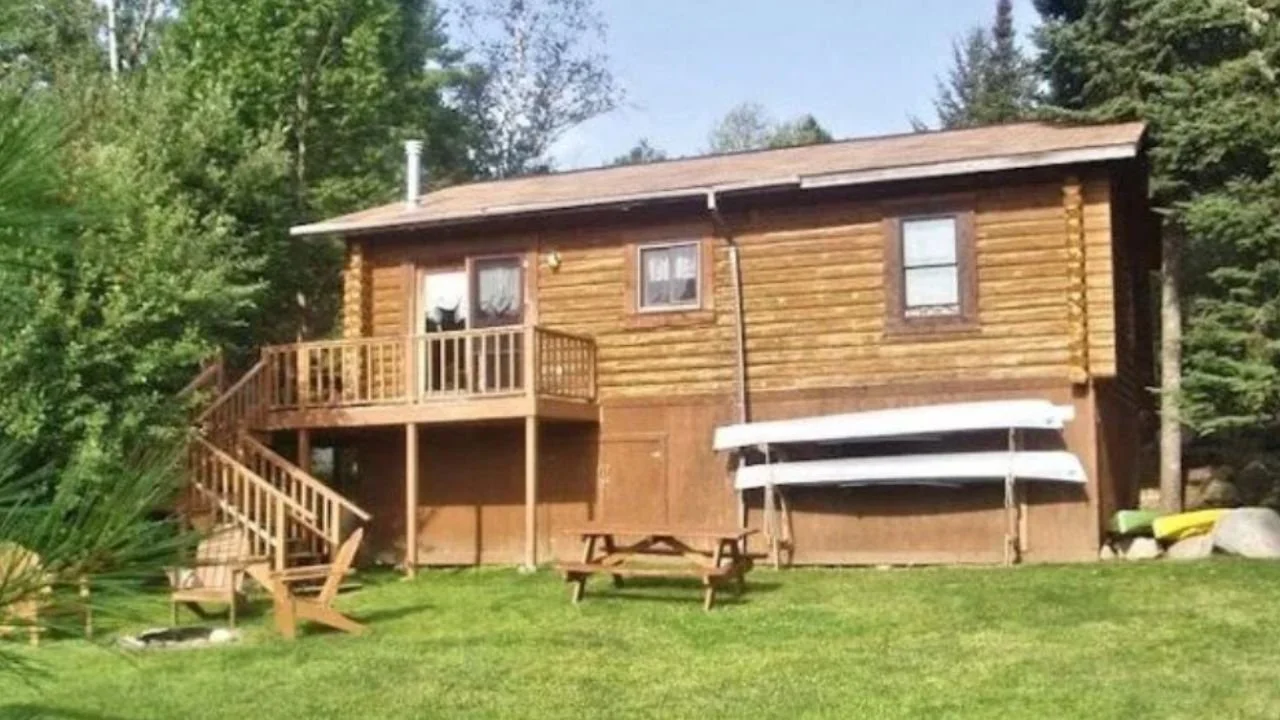
Optional image note: Use one cozy Minnesota cabin image near the top and one Timber Trail / Basswood Cabin image near the “Experiencing Cabin Life in Ely at Timber Trail Lodge” section.
