
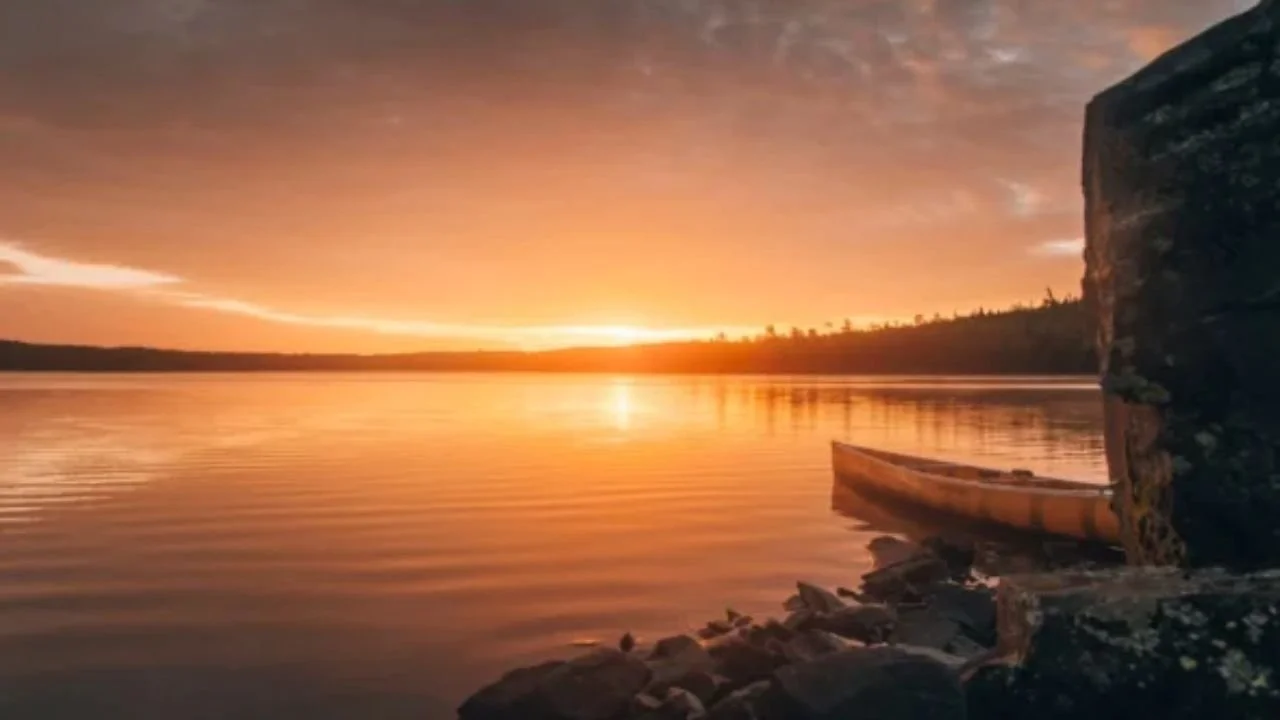
Three days is enough for a real Boundary Waters trip. Travelers have two main options here. One route means overnight wilderness camping inside the BWCA. The other uses a lakeside cabin as a basecamp. The right choice depends on how much time you want to spend paddling, portaging, fishing, and setting up camp. A basecamp approach can leave more time for exploring the lakes and returning to a comfortable place each night. With limited time, keeping daily travel manageable can make the trip more enjoyable.
How to Plan a 3-Day Boundary Waters Trip
A short visit works best with a simple structure. Here’s a 3 day boundary waters trip itinerary.
Day one should stay light. Arrive in Ely and check into your cabin. Spend the afternoon prepping gear and checking your route. A short paddle on nearby water gets you oriented before the main event.
Day two is your main outing. This is the day for your primary BWCA trip. Build the rest of your schedule around this day.
Day three can include a shorter morning outing. Some visitors fish one more time. Others paddle a calmer stretch of water. Many simply pack up and head home.
Ambitious routes with multiple long portages rarely work on a short trip. Portaging eats up hours a three-day visitor can't spare. A simpler route leaves more time for fishing and paddling.
Overnight BWCA camping means setting up camp each day. Breaking it down again eats up time too. A cabin basecamp works differently than that. Guests explore during the day and return each night. For example, Timber Trail Lodge’s Farm Lake location provides access toward South Farm Lake. The North Kawishiwi River stays within reach as well. That gives visitors real wilderness time. No daily camp routine gets in the way.
How Much Does a Boundary Waters Trip Cost?
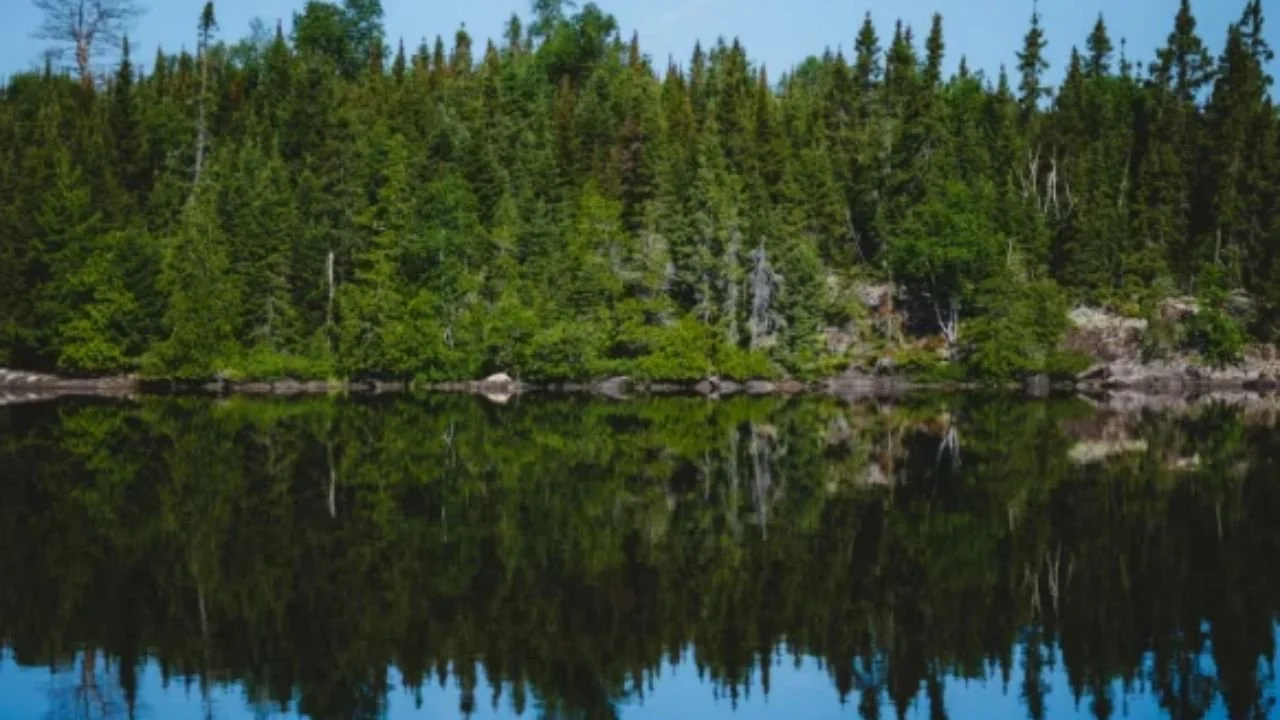
A 3 day boundary waters trip runs $250 to $600 per person for camping. A cabin-based getaway usually costs $500 to $1,000 or more. Group size and lodging choices affect the final number.
Overnight BWCA Camping: Roughly $250–$600 Per Person
A BWCA permit costs $16 per adult for overnight visitors. Youth pay $8 during the same May 1 to September 30 window. A $6 reservation fee applies for advance bookings too.
Canoe rental adds cost for visitors without their own gear. Local outfitters in the Ely area often charge $40 to $60 daily. Rates still vary by outfitter and season.
Camping gear rental adds further cost too. This includes tents and cooking equipment for visitors without their own. Full outfitting packages are often higher than a basic rental.
Food for three days typically costs around $30 to $60 per person. This depends on how simple your meals stay. Transportation and other costs add $30 to $100 more.
Travelers who already own gear can spend far less. A canoe, tent, and cooking setup cut costs significantly.
Cabin-Based BWCA Getaway: Roughly $500–$1,000+ Per Person
Total cost here depends heavily on cabin choice and group size plays a big role too. Larger groups splitting a bigger cabin pay less per person.
Timber Trail's cabin lineup covers a wide range. Motel rooms and one-bedroom units sit at one end. Six-bedroom cabins sit at the other end. The White Ash Cabin accommodates four guests comfortably. It includes access to boat and canoe rentals too.
BWCA permits work differently for day-use visitors. Day trips don't require the overnight user fee. Only overnight BWCA camping triggers that $16 charge.
Boat rentals add a flexible cost to any trip. Timber Trail offers canoes, kayaks, SUPs, and motorized boats. Current rates start at $100 daily for a standard fishing boat. Rates climb to $260 daily for a Deluxe II pontoon.
Food for a cabin trip is a bit higher than camping. Expect $50 to $100 per person for three days. But cabin cooking often includes more variety than camp meals. Optional shuttle service or guided trips add further cost. That depends on what your itinerary actually includes.
Budget Takeaway
For a 3-day trip, plan on $250 to $600 per person for camping. A cabin-based stay runs $500 to $1,000-plus instead. Owning gear can cut the camping budget substantially. Larger groups can lower per-person costs on cabins too.
Travelers who want BWCA access without hauling gear have options. A cabin-based trip offers a different way into the wilderness.
What Is the Best Time to Go to the Boundary Waters?
The Boundary Waters offers something different each season.
Spring (May – June)
Spring shines for fishing and wildflowers both. Water stays cold right after the ice-out season ends. Baby animals and blooming plants show up often though. Crowds also stay thin during this stretch. But there’s one drawback in June.. Mosquito and black fly numbers peak across the region.
Summer (July – August)
Summer brings the warmest weather of the year and draws the most popular travel dates. July and early August often hit highs in the 70s. Blueberries and raspberries ripen during this window too. Lake water warms up nicely for swimming and bugs drop off noticeably by late July.
Crowding becomes the main tradeoff during this stretch. Mid-July through early August counts as the true peak season. Early August works well for many families, though. Bugs are less and water is comfortably warm. However, permits still fill up fast during this period.
Autumn (September – October)
Autumn delivers quiet solitude and bright fall color. Bug counts drop close to zero during this stretch. Throughout early September to early October the air feels crisp. Nights turn cool and refreshing during this window too. Fishing is active during this period.
Wind and temperature bring the real drawback here. Fall winds can grow strong enough to trap paddlers. A day or two in camp can follow. Temperatures also drop quickly toward freezing by October.
What to Pack for a 3-Day Boundary Waters Trip
Your packing list depends on your trip style. A basecamp trip needs far less gear than camping.
For a day-trip or basecamp itinerary:
Layers for changing weather
Rain gear
Water bottle
Dry bag
Navigation or map
Sun and insect protection
Food and snacks
Fishing gear, if needed
For overnight BWCA camping:
Tent
Sleeping system
Cooking equipment
Food
Water filtration
First-aid supplies
Portage packs
Other required wilderness gear
Why Use Timber Trail as Your 3-Day BWCA Basecamp?
A three-day trip doesn't require nonstop wilderness travel. Timber Trail Lodge offers a different way to experience it.
The lodge is located directly on Farm Lake. Direct access toward the Boundary Waters lies nearby. Two separate entry points into the Boundary Waters lie within a mile. That gives guests flexible options depending on the day.
On-site permit support removes a common headache too. Staff help guests figure out which permits their trip needs. Day-use trips outside the wilderness boundary often need no permit at all.
Canoe, kayak, and other watercraft options wait right at the lodge. Guests can pick the right boat for each outing. A shuttle service adds even more flexibility for reaching specific routes.
Choosing cabins over camping changes the whole rhythm of a trip. Guests spend their time paddling, fishing, and exploring instead. No one spends the trip setting up and breaking down camp. That structure lets one short stay cover a lot of ground. Real BWCA paddling and solid fishing time both fit in. Evenings still end back at a comfortable lodge.
Farm Lake's spot within a four-lake chain adds even more room. Guests can adjust their plans daily based on weather or energy. No one needs to relocate camp just to change plans.
Ready for Your Own Three Days on the Water
Three days can be enough to paddle, fish, and slow down. The key is picking an itinerary that fits your time. Timber Trail Lodge gives you a comfortable lakeside base in Ely. Convenient access to BWCA waters comes built right in. Book your stay and start planning your route today.
Frequently Asked Questions
How many days for Boundary Waters?
Three days works well for a shorter trip with a simple itinerary. Longer trips of five to seven days suit deeper wilderness travel. Those trips often include multiple portages and remote lake stops.
Do people kayak the Boundary Waters?
Yes, kayaks work well on many BWCA lakes and connected waters. Canoes remain more common for portaging between lakes. Kayaks suit paddlers who prefer a different setup for single-lake outings.
What are the best Boundary Waters routes for beginners?
Entry points like Moose Lake and Fall Lake offer accessible routes. Fewer portages make these routes friendlier for first-timers. Starting from a nearby basecamp like Timber Trail Lodge helps too.
How to plan a boundary waters trip?
Start by choosing between overnight camping and a cabin basecamp. Check permit requirements for your planned route ahead of time. Pack based on your trip style, and book lodging early.
